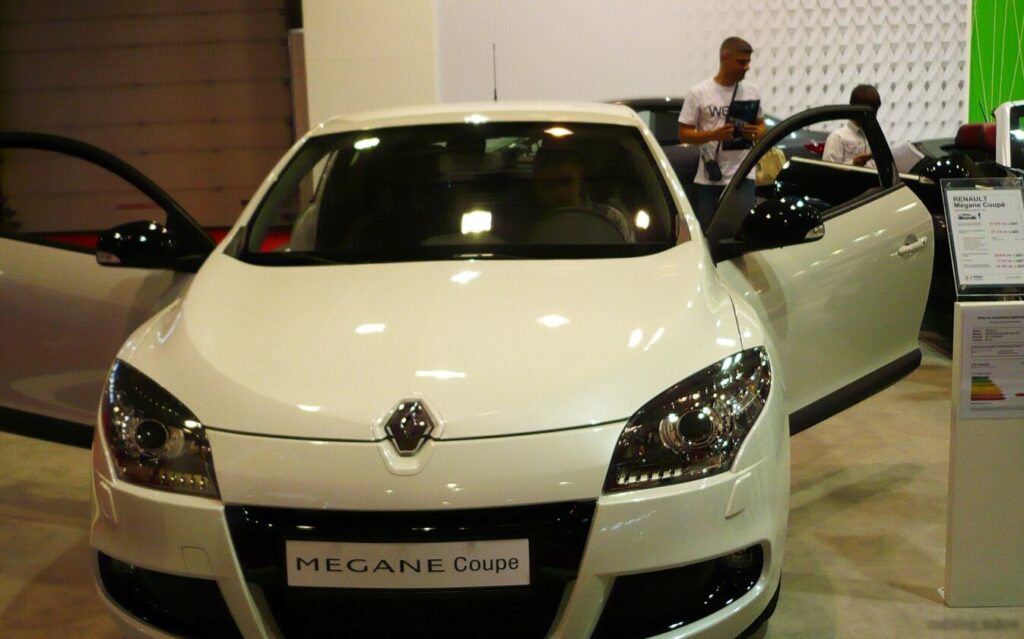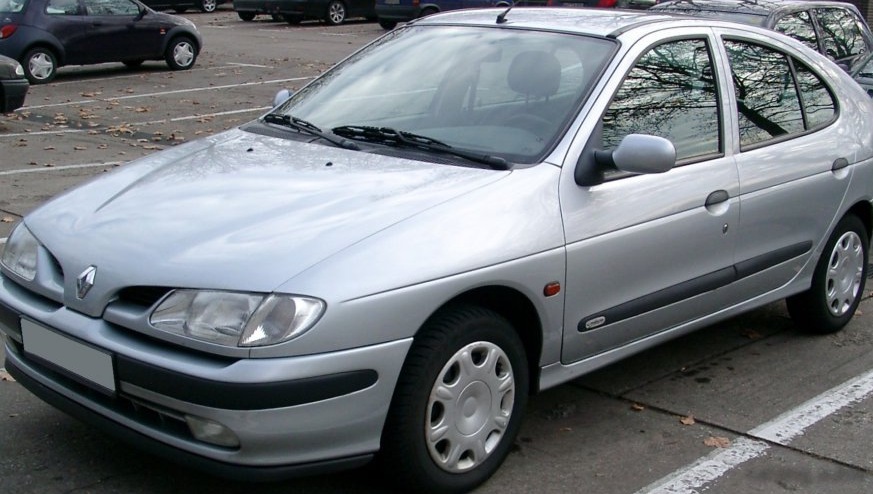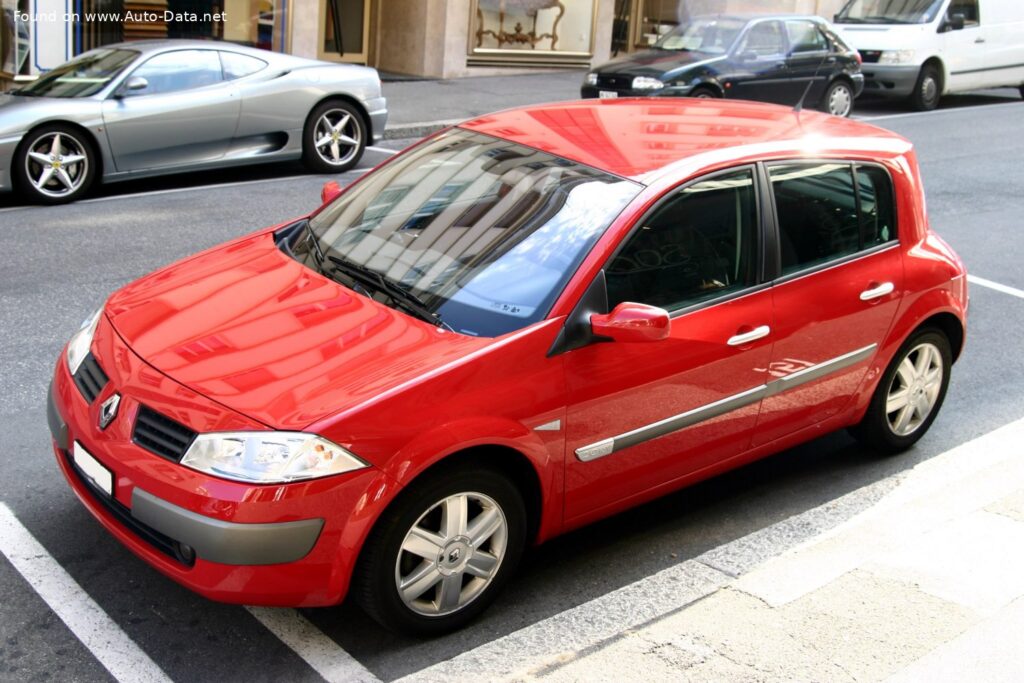
The Renault Megane II 1.5 dCi, producing 106 horsepower, was a significant variant within the second generation Megane (2003-2009) lineup. Introduced in 2005, this model aimed to provide a balance of fuel efficiency and reasonable performance for the European market, primarily targeting buyers seeking a practical and economical hatchback. It occupied a mid-range position within the Megane II range, slotting below the more powerful petrol engines and the higher-output dCi diesels, but above the base-level petrol variants. The Megane II was built on the Renault-Nissan C platform, also known as the 1HX0 platform.
Powertrain & Engine Architecture
The heart of the Megane II 1.5 dCi 106 was the K9K engine, a 1.5-liter inline four-cylinder diesel engine. This engine was a common sight in Renault and Nissan vehicles of the period, known for its relatively compact size and fuel efficiency. The K9K engine featured a common rail direct injection system, delivering fuel directly into the combustion chamber at extremely high pressure. This system, coupled with a turbocharger and intercooler, allowed for improved power output and reduced emissions. The engine utilized an Overhead Camshaft (OHC) valvetrain with two valves per cylinder.
While a six-speed manual transmission was the most common pairing for this engine, an automated manual transmission (often marketed as a “Quick Shift” or similar) was also available in some markets. This transmission offered the convenience of an automatic without the efficiency losses of a traditional torque converter automatic. The engine’s displacement was 1461 cm³ (89.16 cubic inches), with a bore of 76 mm (2.99 inches) and a stroke of 80.5 mm (3.17 inches). The compression ratio was a high 18.8:1, typical for a diesel engine, contributing to its efficiency. Engine oil capacity was 4.5 liters (4.76 US quarts / 3.96 UK quarts) and required a specification adhering to Renault standards.
Fuel Injection and Turbocharging
The diesel common rail system employed piezoelectric injectors for precise fuel delivery control. This allowed for multiple injection events per combustion cycle, optimizing combustion efficiency and reducing noise. The turbocharger, typically a variable geometry turbo (VGT), provided increased air intake to the engine, boosting power and torque. The intercooler cooled the compressed air from the turbocharger, further increasing its density and improving engine performance.
Driving Characteristics
The 106 horsepower and 240 Nm (177.01 lb-ft) of torque produced by the 1.5 dCi engine provided adequate, though not exhilarating, performance for the Megane II. Acceleration from 0 to 100 km/h (0-62 mph) took approximately 11.1 seconds, and top speed was around 185 km/h (114.95 mph). The engine’s torque curve was relatively flat, providing good pulling power from low engine speeds, making it well-suited for everyday driving and overtaking maneuvers. Compared to the higher-output 1.9 dCi or petrol variants, the 1.5 dCi felt noticeably less powerful, particularly at higher speeds. However, the six-speed manual transmission helped to keep the engine in its optimal power band. The automated manual transmission, while offering convenience, sometimes exhibited slightly jerky shifts compared to a traditional automatic or a skilled manual driver.
The gear ratios were tuned for fuel efficiency, with a relatively long final drive. This contributed to excellent fuel economy – around 4.7 l/100 km (50 US mpg / 60.1 UK mpg) on the combined cycle – but also meant that the car wasn’t particularly quick off the line. The engine was generally refined for a diesel, with relatively low levels of noise and vibration, although it wasn’t as quiet or smooth as the petrol alternatives.
Equipment & Trim Levels
The Megane II 1.5 dCi 106 was typically offered in several trim levels, varying by market. Base models generally included features such as air conditioning, power steering, electric front windows, and a basic audio system. Higher trim levels added features like alloy wheels, rear electric windows, cruise control, automatic headlights and rain sensors, and upgraded interior trim. Interior upholstery was typically cloth, with options for higher-quality fabrics or leather in the higher trim levels. The dashboard layout was generally functional and straightforward, with a focus on ergonomics. Optional extras included a panoramic sunroof, navigation system, and parking sensors.
Chassis & Braking
The Megane II utilized an independent McPherson strut suspension at the front and a torsion beam suspension at the rear. This setup provided a good balance of ride comfort and handling. The front suspension featured a stabilizer bar to reduce body roll during cornering. The braking system consisted of ventilated discs at the front and discs at the rear. Anti-lock Braking System (ABS) was standard equipment. The electric power steering provided light and precise steering feel. Tire size was typically 195/65 R15, mounted on 6.5J x 15 inch steel or alloy wheels. The kerb weight of the vehicle was approximately 1225 kg (2700.66 lbs).
Market Reception & Comparison
The Renault Megane II 1.5 dCi 106 was generally well-received by critics for its fuel efficiency and practicality. It was considered a strong contender in the compact hatchback segment, particularly for buyers prioritizing economy. However, some reviewers noted that the engine lacked the outright performance of its petrol or higher-output diesel counterparts. Compared to the 1.9 dCi, the 1.5 dCi offered significantly better fuel economy but at the expense of performance. The 1.6 petrol engine provided similar performance but with lower fuel economy. Reliability was generally good, although some owners reported issues with the diesel particulate filter (DPF) and the electronic throttle control.
Technical Specifications
| Brand | Renault |
| Model | Megane |
| Generation | Megane II |
| Engine Type | 1.5 dCi (106 Hp) |
| Production Years | 2005 |
| Body Type | Hatchback |
| Number of Seats | 5 |
| Number of Doors | 5 |
| Fuel Consumption (Urban) | 5.8 l/100 km (40.6 US mpg / 48.7 UK mpg) |
| Fuel Consumption (Extra Urban) | 4.1 l/100 km (57.4 US mpg / 68.9 UK mpg) |
| Fuel Consumption (Combined) | 4.7 l/100 km (50 US mpg / 60.1 UK mpg) |
| CO2 Emissions | 124 g/km |
| Fuel Type | Diesel |
| Acceleration 0-100 km/h | 11.1 sec |
| Acceleration 0-62 mph | 11.1 sec |
| Maximum Speed | 185 km/h (114.95 mph) |
| Engine Displacement | 1461 cm³ (89.16 cu. in.) |
| Engine Power | 106 Hp @ 4000 rpm |
| Engine Torque | 240 Nm @ 2000 rpm (177.01 lb.-ft. @ 2000 rpm) |
| Engine Layout | Front, Transverse |
| Engine Code | K9K |
| Number of Cylinders | 4 |
| Cylinder Bore | 76 mm (2.99 in.) |
| Piston Stroke | 80.5 mm (3.17 in.) |
| Compression Ratio | 18.8:1 |
| Kerb Weight | 1225 kg (2700.66 lbs.) |
| Fuel Tank Capacity | 60 l (15.85 US gal / 13.2 UK gal) |
Legacy
The Renault Megane II 1.5 dCi 106 remains a relatively common sight on European roads today. The K9K engine, while not without its issues, proved to be generally durable and reliable when properly maintained. The availability of affordable spare parts and a wide network of Renault service centers contribute to its continued usability. In the used car market, this variant represents a good value proposition for buyers seeking an economical and practical hatchback. However, potential buyers should be aware of the potential for DPF issues and ensure that the vehicle has been regularly serviced. The 1.5 dCi engine’s reputation for fuel efficiency and reasonable reliability has cemented its place as a popular choice for budget-conscious drivers.