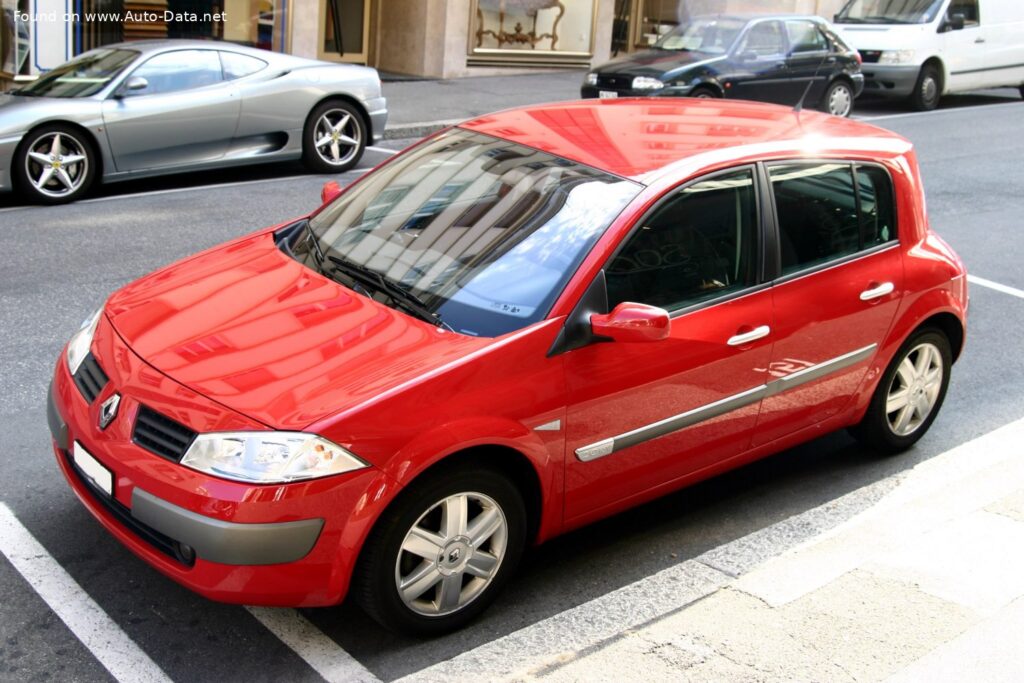
The Renault Megane II 2.0 16V Automatic, produced between 2004 and 2005, represented a mid-range offering within the second generation Megane (XM2/AE) lineup. Positioned above the base 1.6L models and below the sportier 2.0L manual and diesel variants, this version aimed to provide a balance of performance and convenience for buyers prioritizing a comfortable driving experience. The Megane II, launched in 2003, was a significant step forward for Renault, offering improved build quality, interior space, and a more refined driving experience compared to its predecessor. This particular 2.0L automatic model was primarily sold in European markets and aimed at drivers seeking a practical and reasonably powerful hatchback.
Powertrain & Engine Architecture
The heart of the Megane II 2.0 16V Automatic is the Renault F4R engine, a 1998cc (121.93 cu. in.) inline-four cylinder gasoline engine. This engine, a mainstay in Renault’s lineup for many years, is known for its robust construction and relatively simple design. The “16V” designation indicates the engine features four valves per cylinder, contributing to improved breathing and power output. The F4R utilizes multi-port fuel injection, delivering fuel directly into the intake ports, and a double overhead camshaft (DOHC) valvetrain for precise valve control.
The engine produces 135 horsepower (hp) at 5500 rpm and 191 Newton-meters (140.87 lb-ft) of torque at 3750 rpm. Crucially, this variant was paired with a four-speed automatic transmission. This transmission, while providing ease of use, was a point of criticism (discussed later) compared to the available five-speed manual gearbox. The automatic transmission is a conventional hydraulic control unit, offering selectable drive modes (typically including Park, Reverse, Neutral, Drive, and sometimes a manual shift mode). The engine oil capacity is 5.4 liters (5.71 US qt / 4.75 UK qt) and requires a specification adhering to Renault’s standards. The cooling system holds 6.5 liters (6.87 US qt / 5.72 UK qt) of coolant.
Engine Code Specifics
The F4R engine came in several iterations. While specific sub-codes aren’t always prominently displayed in marketing materials for this trim, it’s likely to be a variant optimized for the automatic transmission. Renault engineers made adjustments to the engine management system to accommodate the different power delivery characteristics of the automatic gearbox. These adjustments focused on smoothing out the torque curve and ensuring seamless shifts.
Driving Characteristics
The driving experience in the Megane II 2.0 16V Automatic is characterized by smooth, if not particularly exhilarating, performance. Acceleration from 0 to 100 km/h (0-62 mph) takes approximately 10.9 seconds, and 0-60 mph is achieved in around 10.4 seconds. The four-speed automatic transmission, while convenient, contributes to a noticeable difference in acceleration compared to the manual version. The gear ratios are tuned for comfort and fuel efficiency rather than outright performance.
The automatic transmission can sometimes feel hesitant during quick overtaking maneuvers, requiring a deliberate kickdown to access the engine’s power. The torque converter, while smoothing out shifts, also introduces some power loss. Compared to the manual transmission, the automatic version feels slightly less responsive and engaging. However, for everyday driving and commuting, the automatic provides a relaxed and comfortable experience. The maximum speed is rated at 194 km/h (120.55 mph).
Equipment & Trim Levels
The 2.0 16V Automatic trim level typically included a reasonable level of standard equipment. Features commonly found in this variant included air conditioning, power windows, power door locks, central locking, and an integrated audio system. Interior upholstery was generally cloth, with options for upgraded materials available. The dashboard layout was functional and ergonomically designed, with a focus on ease of use.
Optional extras often included alloy wheels, a sunroof, rear parking sensors, and upgraded audio systems with CD changers. Safety features such as ABS (Anti-lock Braking System) were standard. The specific trim level names varied depending on the market, but generally, this configuration represented a mid-tier offering, bridging the gap between the basic entry-level models and the more luxurious or sporty trims.
Chassis & Braking
The Megane II 2.0 16V Automatic utilizes an independent McPherson strut suspension system at the front, providing a comfortable ride and predictable handling. The rear suspension employs a torsion beam setup, which is a cost-effective and space-efficient solution. The front brakes are ventilated discs, offering good stopping power, while the rear brakes are solid discs.
The steering is rack and pinion with electric power assistance, providing a light and responsive feel. Tire size is typically 205/55 R16, mounted on 6.5J x 16 inch wheel rims. The chassis was tuned to provide a balance between comfort and handling, leaning towards the comfort side given the target audience for this automatic variant. Stabilizer bars are present at both the front and rear, helping to reduce body roll during cornering.
Market Reception & Comparison
The Renault Megane II 2.0 16V Automatic received generally positive reviews, with critics praising its comfortable ride, spacious interior, and refined engine. However, the four-speed automatic transmission was often criticized for being somewhat dated and lacking the responsiveness of more modern automatic gearboxes. Compared to the 1.6L models, the 2.0L offered a noticeable performance improvement, making it more suitable for longer journeys and carrying passengers.
Compared to the 2.0L manual and the 1.9 dCi diesel variants, the automatic version offered less fuel economy and slightly slower acceleration. The diesel models were particularly popular in Europe due to their superior fuel efficiency and lower running costs. Fuel consumption figures are rated at 11.8 l/100 km (19.9 US mpg / 23.9 UK mpg) in urban conditions, 6.5 l/100 km (36.2 US mpg / 43.5 UK mpg) extra-urban, and 8.4 l/100 km (28 US mpg / 33.6 UK mpg) combined, with CO2 emissions of 201 g/km.
Technical Specifications
| Brand | Renault |
| Model | Megane |
| Generation | Megane II |
| Engine Type | 2.0 16V (135 Hp) Automatic |
| Production Years | 2004-2005 |
| Engine Displacement | 1998 cm3 (121.93 cu. in.) |
| Number of Cylinders | 4, Inline |
| Power | 135 Hp @ 5500 rpm |
| Torque | 191 Nm (140.87 lb.-ft.) @ 3750 rpm |
| Fuel Injection | Multi-port manifold injection |
| Valvetrain | DOHC |
| Transmission | 4-speed Automatic |
| Drive Wheels | Front Wheel Drive |
| Kerb Weight | 1265 kg (2788.85 lbs.) |
| Max Weight | 1805 kg (3979.34 lbs.) |
| Fuel Tank Capacity | 60 l (15.85 US gal / 13.2 UK gal) |
| Acceleration 0-100 km/h | 10.9 sec |
| Maximum Speed | 194 km/h (120.55 mph) |
| Fuel Consumption (Combined) | 8.4 l/100 km (28 US mpg / 33.6 UK mpg) |
| CO2 Emissions | 201 g/km |
Legacy
The Renault Megane II 2.0 16V Automatic, while not the most sought-after variant today, remains a relatively reliable and affordable used car option. The F4R engine is known for its durability, and with proper maintenance, can withstand high mileage. The automatic transmission, however, is the component most likely to require attention as the vehicle ages.
Finding parts is generally straightforward, as the Megane II was a popular model and many components are still readily available. These cars are now typically found with significant mileage and may require some restoration work. The 2.0L automatic is often favored by those seeking a comfortable and practical hatchback without the performance focus of the manual or diesel versions. Its legacy lies in providing a solid and dependable transportation option for a wide range of drivers during its production run.