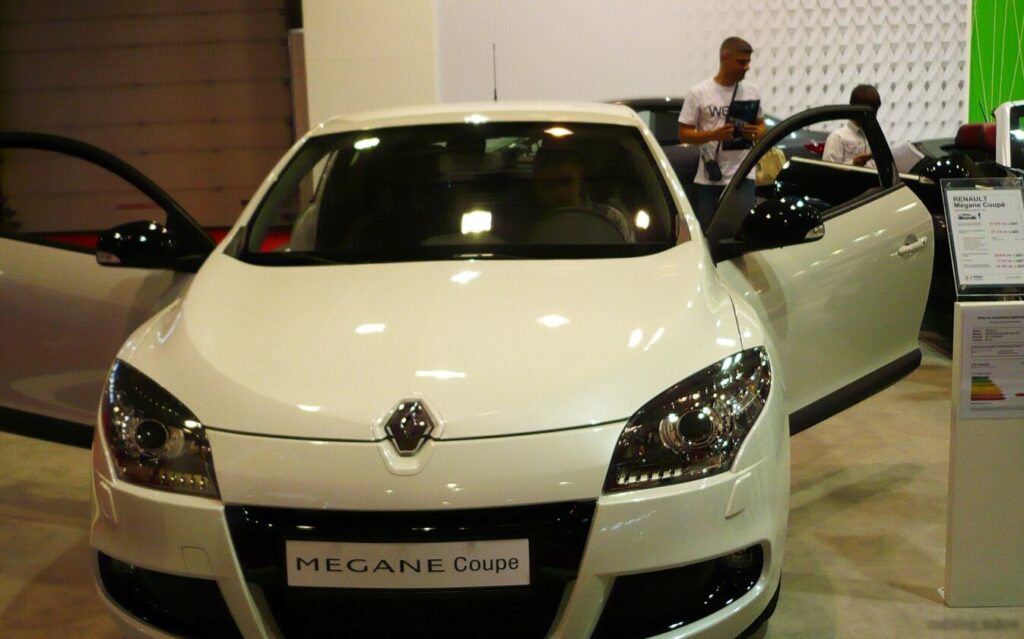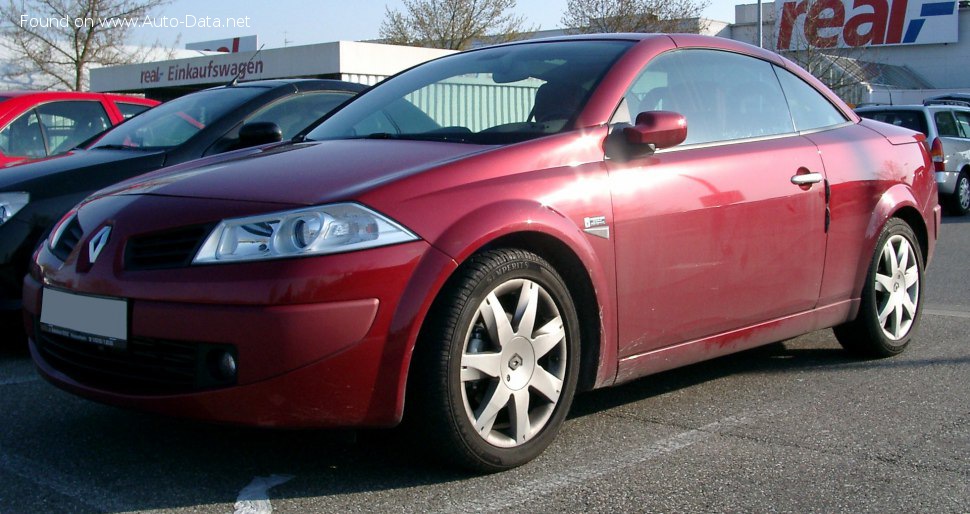
The Renault Megane II Coupe-Cabriolet (CC) Phase II, produced from 2006 to 2010, represented a significant evolution of Renault’s popular compact offering. Within the Phase II range, the 2.0 16V (135 hp) Automatic variant occupied a mid-range position, offering a blend of performance and convenience aimed at buyers prioritizing comfortable cruising and ease of use over outright sportiness. This model was built on the Renault-Nissan C platform (also known as the 1HX0 platform), shared with the Nissan Tiida and other contemporary vehicles. The CC designation signifies its key feature: a folding hardtop convertible roof, providing coupe-like security and weather protection with the open-air enjoyment of a cabriolet.
The 2.0 16V Automatic: Positioning and Overview
The 2.0 16V Automatic trim level was positioned above the base 1.6L engine options and below the more powerful, and often diesel-powered, variants. It catered to a buyer who desired more power than the entry-level models but didn’t require the higher performance or fuel efficiency of the diesel engines or the sportier characteristics of potential higher-horsepower gasoline options. The automatic transmission was a key selling point for this trim, appealing to drivers in urban environments or those simply preferring the convenience of two-pedal operation. The Phase II update brought cosmetic revisions, improved interior materials, and refinements to the engine management system, enhancing the overall driving experience compared to the earlier Phase I models.
Powertrain & Engine Architecture
At the heart of the Megane II CC 2.0 16V Automatic lies the Renault F4R engine, a 1998 cc (121.93 cu. in.) inline-four cylinder gasoline engine. This engine is naturally aspirated and utilizes a multi-port fuel injection system. The ‘16V’ designation indicates the engine features four valves per cylinder, contributing to improved breathing and power output. The engine produces 135 horsepower (hp) at 5500 rpm and 191 Newton-meters (140.87 lb-ft) of torque at 3750 rpm. The compression ratio is 9.8:1. The engine’s valvetrain employs a Double Overhead Camshaft (DOHC) configuration, further optimizing valve control and engine efficiency.
The engine is transversely mounted in the front of the vehicle. The automatic transmission paired with this engine is a four-speed unit. While not the most modern transmission available at the time, it provided smooth shifts and contributed to the car’s ease of driving. The transmission’s gear ratios were tuned for a balance between acceleration and fuel economy, prioritizing comfortable cruising rather than aggressive performance. Specific gear ratios are not widely published but were geared towards maximizing torque utilization within the engine’s powerband.
Engine Specifications (F4R)
The F4R engine is known for its relative reliability, although regular maintenance is crucial. Common issues include potential oil leaks from the valve cover gasket and occasional problems with the throttle body. The engine oil capacity is 5.4 liters (5.71 US qt / 4.75 UK qt), and the recommended oil specification should be consulted in the vehicle’s owner’s manual. The cooling system requires 6.5 liters (6.87 US qt / 5.72 UK qt) of coolant.
Driving Characteristics
The 2.0 16V Automatic Megane CC delivers a comfortable and refined driving experience. Acceleration from 0-100 km/h (0-62 mph) takes approximately 11.5 seconds, while 0-60 mph is achieved in around 10.9 seconds. The top speed is rated at 200 km/h (124.27 mph). The four-speed automatic transmission, while smooth, doesn’t offer the responsiveness of a manual gearbox or a more modern automatic with a greater number of gears. This results in a slightly less engaging driving experience, particularly when attempting quick overtaking maneuvers. However, for everyday driving and relaxed cruising, the transmission performs adequately. The power delivery is linear, with the engine providing sufficient torque for most situations. The car feels stable and well-balanced, thanks to its relatively low center of gravity and well-tuned suspension.
Equipment & Trim Levels
The standard equipment level for the 2.0 16V Automatic Megane CC was reasonably generous for its time. Features typically included air conditioning, power windows, power door locks, central locking, an audio system (usually a CD player with AM/FM radio), and alloy wheels. Interior upholstery was typically cloth, although leather options were available as an upgrade. The dashboard layout was functional and ergonomically designed, with easy-to-read gauges and intuitive controls. Optional extras included a sunroof, upgraded audio systems, navigation systems, and parking sensors. The Phase II models also benefited from improved interior trim materials compared to the earlier Phase I versions, offering a more premium feel.
Chassis & Braking
The Megane II CC features an independent McPherson strut suspension at the front and a torsion beam suspension at the rear. This setup provides a good balance between ride comfort and handling. The front brakes are ventilated discs, offering strong stopping power, while the rear brakes are discs. Anti-lock Braking System (ABS) is standard, enhancing safety and stability during emergency braking. The electric power steering provides light and precise steering feel. The car’s curb weight is 1410 kg (3108.52 lbs), and the maximum weight is 1865 kg (4111.62 lbs). Tire size is typically 205/55 R16, mounted on 6.5J x 16 inch wheel rims.
Market Reception & Comparison
The Renault Megane II CC 2.0 16V Automatic was generally well-received by automotive critics. It was praised for its stylish design, comfortable ride, and practical folding hardtop roof. However, some critics noted that the four-speed automatic transmission felt dated compared to competitors offering five or six-speed automatics. Fuel economy was considered average for its class, with combined fuel consumption of 8.4 l/100 km (28 US mpg / 33.6 UK mpg). Compared to the 1.6L models, the 2.0L offered noticeably more performance, while the diesel variants provided superior fuel economy but often at a higher purchase price. Reliability was generally good, although some owners reported minor electrical issues and occasional problems with the convertible roof mechanism.
Technical Specifications
| Brand | Renault |
| Model | Megane II CC |
| Type | 2.0 16V (135 Hp) Automatic |
| Production Years | 2006-2010 |
| Engine Displacement | 1998 cm3 (121.93 cu. in.) |
| Engine Code | F4R |
| Number of Cylinders | 4 (Inline) |
| Power | 135 hp @ 5500 rpm |
| Torque | 191 Nm (140.87 lb-ft) @ 3750 rpm |
| Fuel Injection | Multi-port |
| Valvetrain | DOHC |
| Transmission | 4-speed Automatic |
| Drive Type | Front Wheel Drive |
| 0-100 km/h | 11.5 sec |
| Top Speed | 200 km/h (124.27 mph) |
| Fuel Consumption (Combined) | 8.4 l/100 km (28 US mpg / 33.6 UK mpg) |
| CO2 Emissions | 201 g/km |
| Curb Weight | 1410 kg (3108.52 lbs) |
| Fuel Tank Capacity | 60 l (15.85 US gal / 13.2 UK gal) |
Legacy
The Renault Megane II CC 2.0 16V Automatic remains a relatively affordable and stylish used car option. The F4R engine, while not particularly fuel-efficient by modern standards, is generally reliable if properly maintained. The automatic transmission, while dated, is known to be durable. Common issues to look for when purchasing a used example include the condition of the convertible roof mechanism, potential oil leaks, and the overall maintenance history. The car’s blend of practicality, style, and comfort continues to appeal to buyers seeking an open-top driving experience without the compromises often associated with older convertibles. Its position as a mid-range trim level within the Megane II CC lineup ensured a reasonable number were produced, making it a relatively common sight on the used car market today.