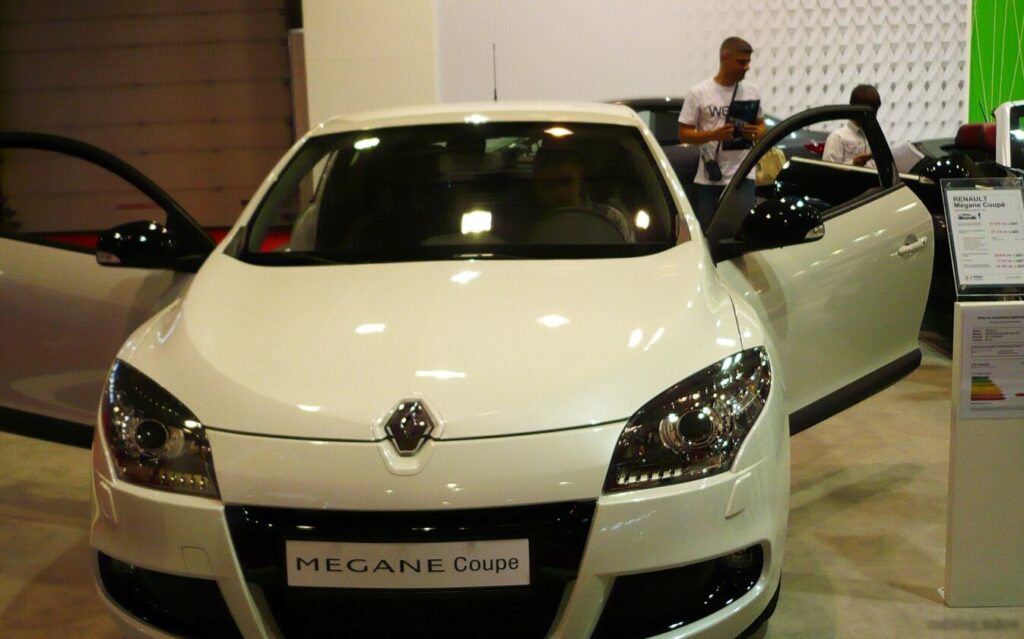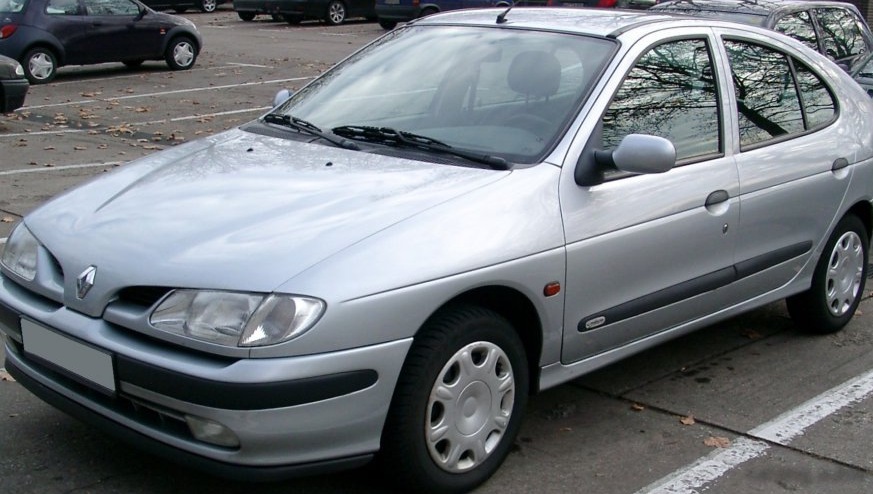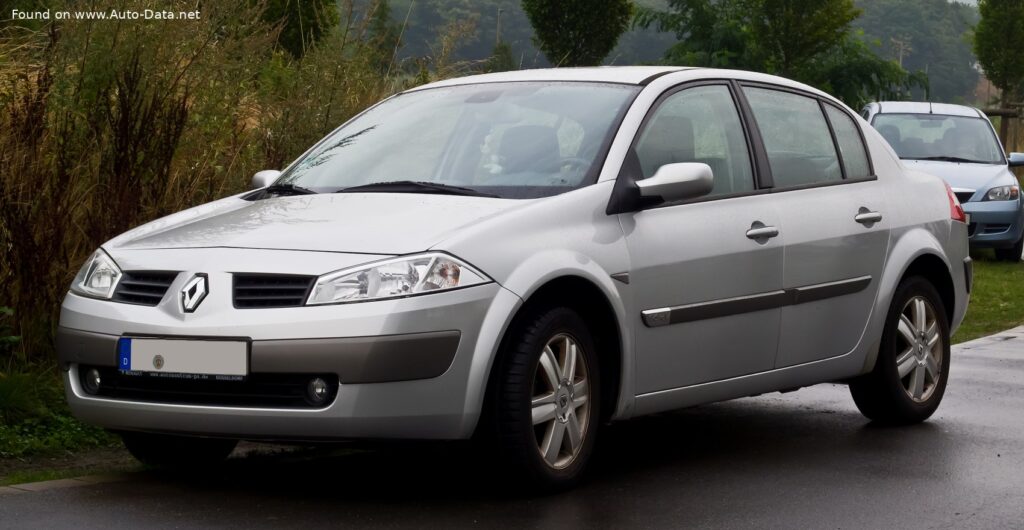
The Renault Megane II Classic 1.9 dCi (90 Hp) represents a significant chapter in Renault’s strategy for the compact family car segment in the early to mid-2000s. Launched in 2004 as part of the second generation of the Megane lineup, this particular variant, the “Classic,” was the sedan iteration, offering a more traditional three-box design compared to its hatchback sibling’s avant-garde styling. While the Megane II, especially its distinctive hatchback, garnered considerable attention and accolades across Europe, the Classic sedan was designed to appeal to buyers seeking greater practicality, a larger trunk, and a more conservative aesthetic. Produced until 2005, this diesel-powered model was a quintessential European offering, emphasizing fuel efficiency, robust build quality, and a comfortable ride, all packaged for the demanding C-segment market.
The Megane II Classic: Positioning and Design
The Megane II generation itself was a bold statement from Renault, moving away from the more conventional designs of its predecessor. It introduced a distinctive rear end on the hatchback and Coupe-Cabriolet models, which was polarizing but ultimately successful in setting the car apart. The Classic sedan, however, opted for a more universally accepted silhouette, blending the Megane II’s contemporary front-end styling with a conventional trunk. The 1.9 dCi engine, a cornerstone of Renault’s diesel powertrain offerings, provided a compelling balance of everyday performance and impressive fuel economy, making it a popular choice for families and fleet operators alike across the continent. The Classic trim was positioned as the more pragmatic choice within the Megane II range, appealing to buyers who prioritized functionality and value over the hatchback’s more expressive design.
Powertrain & Engine Architecture
Powering the Renault Megane II Classic 1.9 dCi (90 Hp) was Renault’s widely utilized F9Q diesel engine, a 1.9-liter (1870 cm3 or 114.11 cu. in.) inline four-cylinder unit. This engine featured an OHC (Overhead Camshaft) valvetrain with two valves per cylinder and benefited from a modern Commonrail diesel fuel injection system. Crucially for its era, it was equipped with a turbocharger and intercooler, enhancing both power delivery and efficiency. The engine produced a respectable 90 horsepower at 4000 rpm, which, while not a powerhouse, was more than adequate for daily driving and highway cruising in its primary European markets. The F9Q engine was known for its durability and relatively simple construction, contributing to its longevity and ease of maintenance.
More impressive than its peak horsepower was the torque output: 230 Nm (169.64 lb.-ft.) available at a low 2000 rpm. This characteristic low-end torque is a hallmark of diesel engines and provided the Megane II Classic with strong pulling power, making it feel responsive in city traffic and capable of handling highway inclines without constant downshifting. The powertrain architecture was a conventional front, transverse engine layout, driving the front wheels through a 6-speed manual transmission. This gearbox was a key factor in maximizing both performance and fuel economy, allowing the driver to keep the engine in its optimal operating range. While an automatic transmission was offered on other Megane II variants, the 1.9 dCi (90 Hp) was primarily paired with the manual gearbox to optimize fuel efficiency and driving experience.
Driving Characteristics
In real-world conditions, the Megane II Classic 1.9 dCi (90 Hp) offered a comfortable and predictable driving experience. The 90 horsepower output, while not exhilarating, provided sufficient power for everyday driving scenarios. The low-end torque made it feel more responsive than its horsepower figure might suggest, particularly in urban environments. Compared to the higher-output 1.9 dCi variants (120 Hp and 130 Hp), the 90 Hp version felt less stressed at higher speeds and offered slightly better fuel economy. However, it required more downshifting when overtaking or climbing steep hills. The 6-speed manual transmission was well-matched to the engine’s characteristics, providing precise gear changes and allowing the driver to maintain optimal engine speed. The gear ratios were tuned for fuel efficiency and relaxed cruising, rather than outright performance. Compared to the gasoline-powered Megane II variants, the 1.9 dCi offered significantly better fuel economy and a more relaxed driving experience, albeit with slightly less refinement in terms of engine noise and vibration.
Equipment & Trim Levels
The Renault Megane II Classic 1.9 dCi (90 Hp) typically came equipped with a reasonable level of standard features for its class. These included power steering, central locking, electric front windows, an adjustable steering column, and a basic audio system. Interior upholstery was typically cloth, with a durable and practical finish. Higher trim levels offered options such as air conditioning, alloy wheels, rear electric windows, a CD player, and upgraded interior trim. Safety features included ABS brakes, front airbags, and seatbelt pretensioners. Optional extras available for this trim included a sunroof, parking sensors, and a trip computer. The overall interior design prioritized functionality and ergonomics, with a logical layout of controls and comfortable seating.
Chassis & Braking
The Megane II Classic was engineered for a comfortable and predictable driving experience. It featured an independent McPherson strut front suspension, renowned for its balance of ride comfort and handling precision. The rear utilized a torsion beam suspension, a compact and cost-effective solution commonly found in front-wheel-drive compact cars, providing a good compromise between ride quality and cargo space. Braking duties were handled by ventilated discs at the front and solid discs at the rear, complemented by an Anti-lock Braking System (ABS) for enhanced safety during emergency stops. The electric power steering system, coupled with a rack and pinion setup, offered light and responsive steering, making the car easy to maneuver in urban environments. The suspension setup was tuned for comfort, prioritizing a smooth ride over sporty handling. Stabilizer bars were fitted to both the front and rear axles to reduce body roll during cornering.
Market Reception & Comparison
Critics generally viewed the Renault Megane II Classic 1.9 dCi (90 Hp) as a sensible and practical family car. It was praised for its fuel efficiency, comfortable ride, and spacious interior. However, some critics noted that the 90 horsepower engine felt underpowered, particularly when fully loaded or driving on steep inclines. Compared to other trims in the Megane II lineup, the 1.9 dCi (90 Hp) offered the best fuel economy but the least amount of performance. It was often seen as a good choice for high-mileage drivers and fleet operators who prioritized running costs over driving excitement. Its fuel economy, with a combined rating of 43.6 US mpg (5.4 l/100 km), was a significant advantage over the gasoline-powered variants. Reliability was generally good, with the F9Q engine proving to be a durable and dependable unit. However, like all diesel engines, it required regular maintenance and careful attention to oil changes.
Technical Specifications
| Category | Specification |
| Brand | Renault |
| Model | Megane II Classic |
| Type (Engine) | 1.9 dCi (90 Hp) |
| Production Years | 2004 – 2005 |
| Body Type | Sedan |
| Fuel Consumption – Urban | 7.3 l/100 km |
| Fuel Consumption – Extra Urban | 4.4 l/100 km |
| Fuel Consumption – Combined | 5.4 l/100 km |
| CO2 Emissions | 145 g/km |
| Fuel Type | Diesel |
| Acceleration 0 – 60 mph | 12.3 sec |
| Maximum Speed | 176 km/h |
| Power | 90 Hp @ 4000 rpm |
| Torque | 230 Nm @ 2000 rpm |
| Engine Displacement | 1870 cm3 |
| Number of Cylinders | 4 |
| Kerb Weight | 1295 kg |
| Trunk (Boot) Space – Minimum | 520 l |
Legacy
The Renault Megane II Classic 1.9 dCi (90 Hp)’s legacy is one of a dependable and efficient workhorse. It may not have been as visually striking as its hatchback sibling, but its blend of practicality, economical diesel power, and robust construction ensured its popularity. It represented a sensible, value-oriented choice for those who appreciated the underlying engineering and efficiency of the Megane II platform but preferred a more traditional sedan form factor. Today, these vehicles are still a common sight on European roads, a testament to their durability and the enduring appeal of their efficient diesel powertrains. The F9Q engine, in particular, is known for its longevity and relatively low maintenance costs. While finding well-maintained examples may require some searching, the Megane II Classic 1.9 dCi (90 Hp) remains a viable and affordable option for those seeking a practical and economical used car.