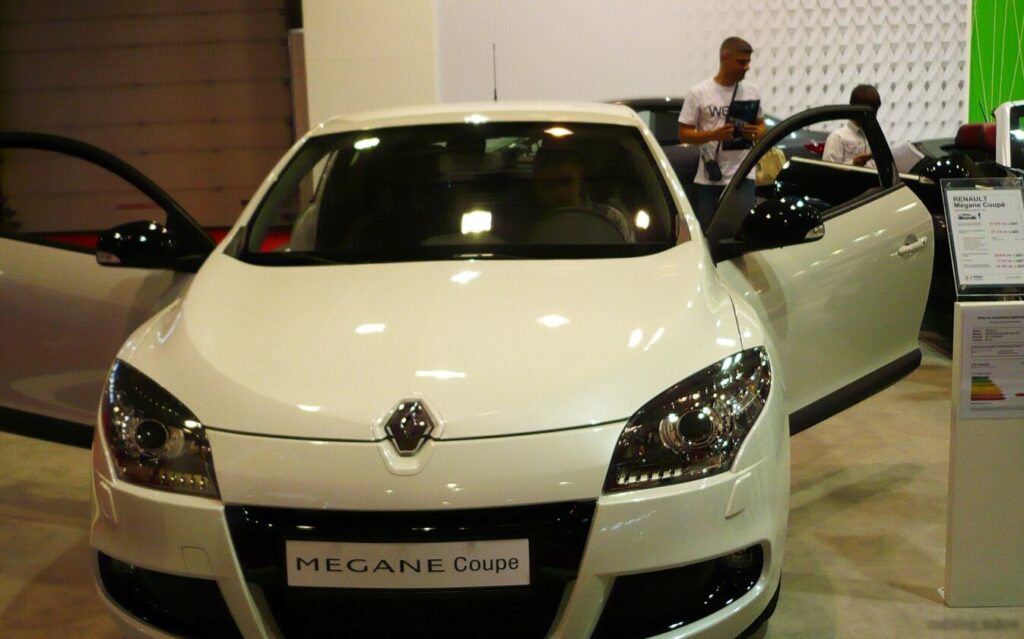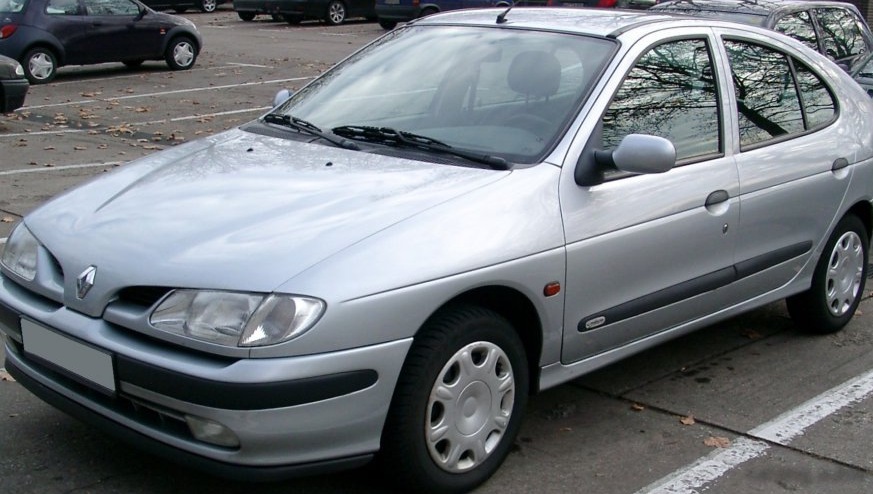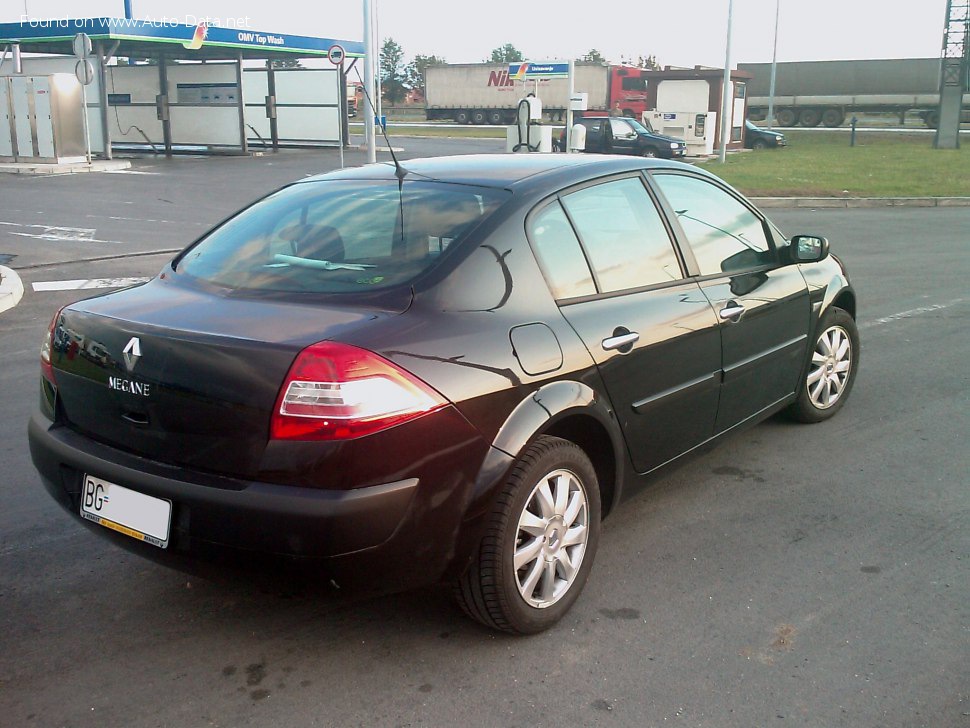
The Renault Megane II Classic (Phase II, 2006) 1.9 dCi (130 Hp) FAP Automatic represents a significant iteration of Renault’s popular C-segment offering, specifically targeting European and select Asian markets where traditional sedan body styles held strong appeal. While this model was not available in the United States, its design philosophy and mechanical underpinnings were indicative of the broader trends in the compact family car segment during the mid-2000s. The “Classic” designation refers to the four-door sedan variant, which complemented the more avant-garde hatchback and coupé models of the Megane II lineup. Produced from 2006 to 2008, this Phase II model incorporated refinements over its predecessor, focusing on improved aesthetics, technology, and powertrain efficiency. This particular configuration, featuring the 1.9 dCi (130 Hp) FAP engine paired with an automatic transmission, aimed to deliver a balance of fuel economy, robust performance, and everyday convenience for European families and professionals.
Powertrain & Engine Architecture
At the heart of the 2006 Renault Megane II Classic 1.9 dCi (130 Hp) FAP Automatic lies a potent and efficient diesel powertrain. The 1.9-liter (114.11 cu. in.) F9Q Turbo inline four-cylinder engine, equipped with a common rail diesel injection system, was a testament to Renault’s expertise in diesel technology. This engine, identified by its F9Q code, utilized direct fuel injection at pressures up to 1600 bar, optimizing combustion efficiency and reducing emissions. The engine featured a single overhead camshaft (OHC) operating two valves per cylinder. The turbocharger, coupled with an intercooler, provided increased air density for improved power output. The FAP (Filtre à Particules) – a diesel particulate filter – was a crucial component, designed to trap soot particles and periodically regenerate through a controlled combustion process, ensuring compliance with Euro 4 emission standards.
Power was delivered to the front wheels via a 4-speed automatic transmission. This transmission, while not offering the gear ratios of more modern automatics, was known for its smooth operation and reliability. The transmission utilized a conventional torque converter design and electronic control for shift management. Gear ratios were optimized for a balance of acceleration and fuel efficiency, with a relatively tall final drive ratio contributing to highway fuel economy. The automatic transmission was designed to provide a comfortable and effortless driving experience, particularly in congested urban environments.
Driving Characteristics
The 1.9 dCi engine, producing 130 horsepower at 4000 rpm and 221.27 lb-ft of torque at 2000 rpm, provided a noticeable step up in performance compared to lower-powered variants of the Megane II Classic. The substantial low-end torque made the car feel responsive in everyday driving situations, offering effortless acceleration for overtaking and merging onto highways. While not a sports car, the 1.8L automatic provided adequate performance for most drivers. Compared to the manual transmission versions of the same engine, the automatic resulted in a slight reduction in acceleration due to transmission losses, but the convenience factor was often considered a worthwhile trade-off. The 4-speed automatic transmission, while smooth, lacked the close ratios of a manual or more modern automatic, which could be noticeable during spirited driving. The power delivery was linear and predictable, making the car easy to control in various driving conditions.
Equipment & Trim Levels
The Megane II Classic 1.9 dCi (130 Hp) FAP Automatic typically occupied a mid-range position within the Megane II lineup. Standard equipment generally included air conditioning, power windows, central locking, an audio system with CD player, and ABS brakes. Interior upholstery was typically cloth, with options for upgraded materials available. The dashboard layout was functional and user-friendly, with logically placed controls. Optional extras included alloy wheels, a sunroof, rear parking sensors, and a more advanced audio system with steering wheel-mounted controls. Higher trim levels might have included features like automatic headlights and rain-sensing wipers. The overall interior ambiance was designed to be comfortable and practical, prioritizing usability over luxury.
Chassis & Braking
The Megane II Classic utilized an independent McPherson strut front suspension and a torsion beam rear suspension. This setup provided a good balance of ride comfort and handling stability. The torsion beam rear suspension, while cost-effective, was less sophisticated than a fully independent rear suspension, but it proved adequate for the car’s intended purpose. Steering was managed by an electric power steering system, offering light effort for urban maneuvering and adequate feedback at higher speeds. The braking system consisted of ventilated disc brakes at the front and solid discs at the rear, providing effective stopping power. ABS (Anti-lock Braking System) was standard, enhancing safety during emergency braking situations. Stabilizer bars were fitted to both the front and rear axles to reduce body roll during cornering.
Market Reception & Comparison
Critics generally viewed the Renault Megane II Classic 1.9 dCi (130 Hp) FAP Automatic favorably, praising its fuel efficiency, comfortable ride, and practical interior. The diesel engine was particularly well-regarded for its torque and economy. However, some critics noted that the 4-speed automatic transmission felt somewhat dated compared to competitors offering more gears. Compared to the gasoline-powered versions of the Megane II Classic, the 1.9 dCi offered significantly better fuel economy and more torque, making it a more appealing choice for drivers who covered long distances. In terms of reliability, the F9Q engine was generally considered robust, but the FAP system required periodic maintenance to ensure proper operation. Compared to other diesel-powered rivals like the Volkswagen Jetta TDI, the Megane II Classic offered a competitive package in terms of price, features, and performance.
Technical Specifications
| Category | Specification |
| Brand | Renault |
| Model | Megane II Classic (Phase II, 2006) |
| Engine Type | 1.9 dCi (130 Hp) FAP Automatic |
| Production Start | 2006 |
| Production End | 2008 |
| Body Type | Sedan |
| Seats / Doors | 5 / 4 |
| Fuel Consumption (Urban) | 9 l/100 km |
| Fuel Consumption (Extra Urban) | 5.2 l/100 km |
| Fuel Consumption (Combined) | 6.6 l/100 km |
| CO2 Emissions | 175 g/km |
| Fuel Type | Diesel |
| Acceleration 0-60 mph | 8.6 seconds |
| Maximum Speed | 197 km/h (122.41 mph) |
| Emission Standard | Euro 4 |
| Weight-to-Power Ratio | 10.1 kg/Hp (22.27 lbs/Hp) |
| Power | 130 Hp @ 4000 rpm |
| Power per Liter | 69.5 Hp/l |
| Torque | 300 Nm @ 2000 rpm (221.27 lb.-ft. @ 2000 rpm) |
| Engine Layout | Front, Transverse |
| Engine Model/Code | F9Q Turbo |
| Engine Displacement | 1870 cm3 (114.11 cu. in.) |
| Number of Cylinders | 4, Inline |
| Valves per Cylinder | 2 |
| Fuel Injection System | Diesel Commonrail |
| Engine Aspiration | Turbocharger, Intercooler |
| Valvetrain | OHC |
| Engine Oil Capacity | 4.5 l (4.76 US qt) |
| Coolant Capacity | 7.9 l (8.35 US qt) |
| Kerb Weight | 1310 kg (2888.06 lbs.) |
| Max. Weight | 1860 kg (4100.6 lbs.) |
| Trunk (Boot) Space – Minimum | 520 l (18.36 cu. ft.) |
| Fuel Tank Capacity | 60 l (15.85 US gal) |
| Length | 4498 mm (177.09 in.) |
| Width | 1777 mm (69.96 in.) |
| Height | 1460 mm (57.48 in.) |
| Wheelbase | 2686 mm (105.75 in.) |
Legacy
The Renault Megane II Classic 1.9 dCi (130 Hp) FAP Automatic, while not a particularly rare or collectible vehicle, remains a relatively common sight on European roads today. The F9Q engine, when properly maintained, is known for its durability and longevity. However, the FAP system can be prone to issues if not serviced regularly, potentially leading to expensive repairs. In the used car market, these vehicles typically offer good value for money, providing a practical and fuel-efficient mode of transportation. The automatic transmission, while not the most advanced, has proven to be reasonably reliable. Overall, the Megane II Classic 1.9 dCi Automatic represents a solid and dependable choice for buyers seeking an affordable and economical compact sedan.