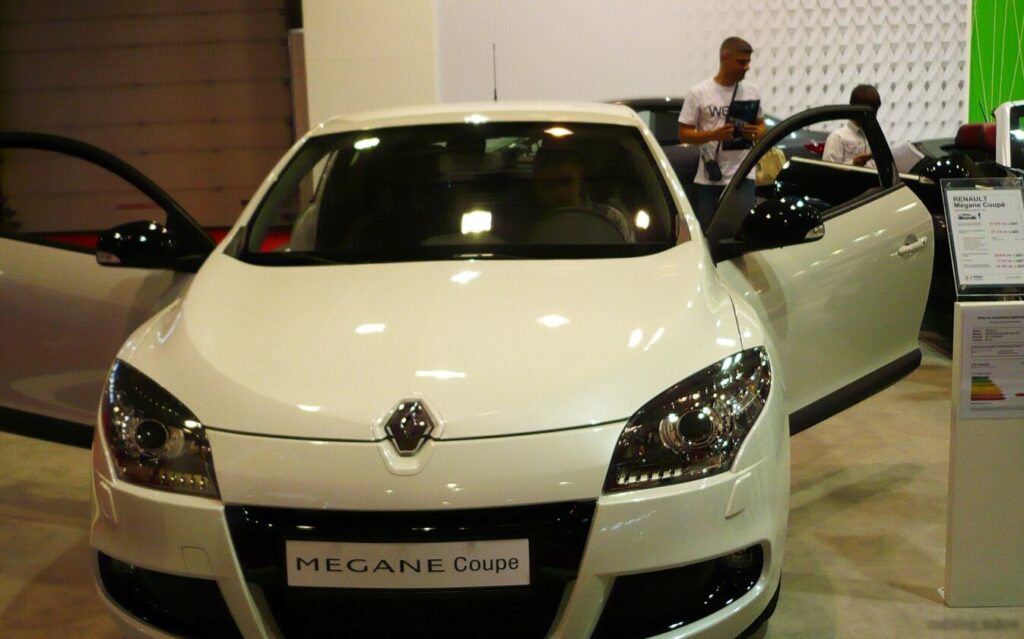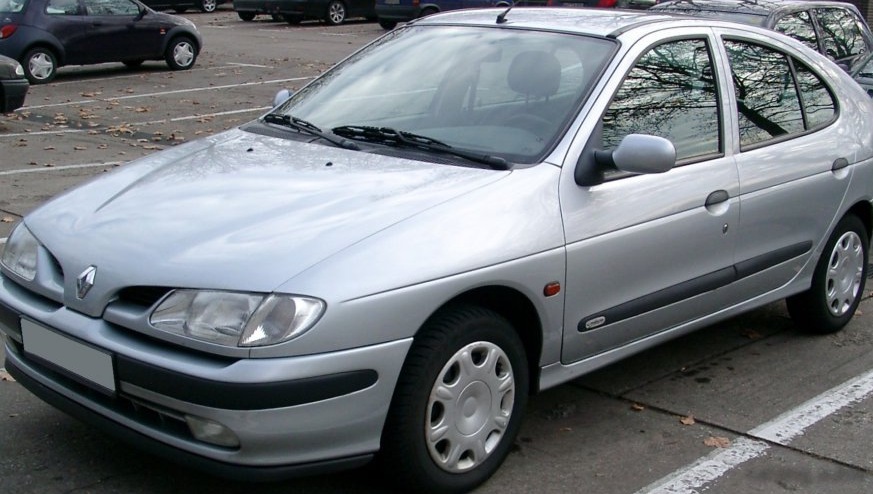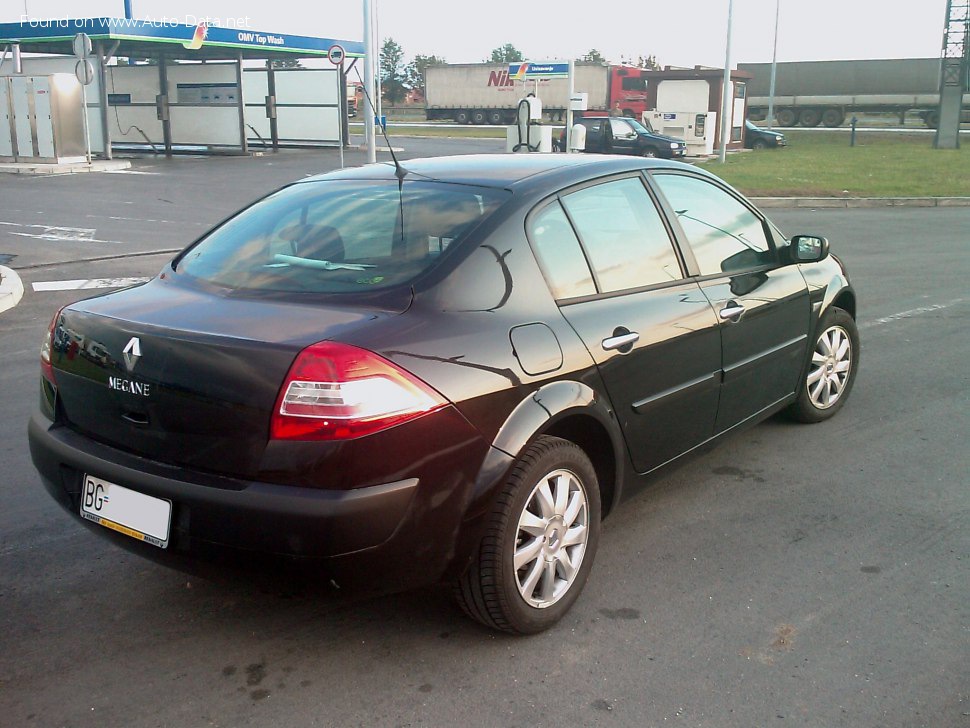
The Renault Megane II Classic (Phase II, 2006) 2.0 dCi (150 Hp) FAP represents a significant offering from the French automaker Renault within the highly competitive European C-segment compact family car market. While not officially sold in the United States, this particular variant, produced between 2006 and 2008, was a crucial model in its primary markets, particularly across Europe and parts of Asia, where diesel powertrains and traditional sedan body styles held considerable appeal. As a “Classic” model, it denoted the four-door sedan version of the second-generation Megane, distinguishing itself from the more avant-garde hatchback, coupe, and convertible variants. The “Phase II” designation indicates a mid-cycle refresh, bringing subtle styling updates, interior enhancements, and often updated engine options to keep the model competitive against its rivals.
The 2.0 dCi (150 Hp) FAP: A Mid-Range Offering
This specific iteration, equipped with the potent 2.0 dCi (150 Hp) FAP engine, highlights Renault’s commitment to advanced diesel technology, offering a compelling blend of performance, fuel efficiency, and reduced emissions for its era. It catered to buyers seeking the practicality of a sedan with the economic advantages and torque characteristics of a modern common-rail diesel engine, making it a popular choice for families and business users alike in regions where diesel fuel was a prevalent and cost-effective option. Within the Megane II Classic lineup, this 2.0 dCi variant occupied a mid-range position. It sat above the lower-powered 1.5 dCi models, offering a substantial performance upgrade, but below the more expensive and sporty variants, if available in certain markets. It was positioned to appeal to drivers who prioritized a balance of economy and driving enjoyment.
Powertrain & Engine Architecture
At the heart of the Renault Megane II Classic (Phase II, 2006) 2.0 dCi (150 Hp) FAP lies a sophisticated M9R Turbo diesel engine, a 1,995 cubic centimeter (121.74 cu. in.) inline four-cylinder unit. This powerplant was a testament to Renault’s engineering prowess in diesel technology, featuring a second-generation common rail fuel injection system developed in partnership with Delphi. This system allowed for multiple injection events per combustion cycle, optimizing fuel atomization and combustion efficiency. The engine also incorporated a variable geometry turbocharger (VGT) and an intercooler to further enhance performance and reduce turbo lag. It delivered a robust 150 horsepower at 4,000 revolutions per minute, a respectable figure for a compact sedan of its time. More impressively, the engine generated a substantial 236.02 lb.-ft. (320 Nm) of torque, available at a low 2,000 rpm, providing excellent low-end pull and effortless acceleration.
Power was delivered to the front wheels via a smooth and precise 6-speed manual transmission, offering drivers an engaging and controlled driving experience. While a 6-speed automatic transmission was available in some markets, the manual was the more common configuration. The engine’s valvetrain utilized a single overhead camshaft (SOHC) design with four valves per cylinder, contributing to efficient gas exchange. The M9R engine was known for its robust construction and relatively simple design, contributing to its long-term reliability.
Driving Characteristics
The 2.0 dCi engine transformed the driving experience of the Megane Classic compared to the lower-displacement petrol or diesel options. The substantial torque available from low RPMs meant that the car felt responsive and effortless in everyday driving situations. Overtaking maneuvers were executed with confidence, and the engine didn’t require frequent downshifts. Compared to the 1.6L petrol engine, the 2.0 dCi offered significantly more pulling power, especially when fully loaded. While not a sports car, the 2.0 dCi provided a more engaging driving experience than the base-level engines. The 6-speed manual transmission allowed drivers to keep the engine in its optimal power band, maximizing efficiency and performance. The gear ratios were well-spaced, providing a balance between acceleration and cruising comfort. The automatic transmission, when equipped, offered smooth shifts but could feel slightly less responsive than the manual.
Equipment & Trim Levels
The Renault Megane II Classic (Phase II, 2006) 2.0 dCi (150 Hp) FAP typically came equipped with a reasonable level of standard features. These included air conditioning, power windows, central locking, an audio system (often with CD player and steering wheel-mounted controls), and ABS with electronic brake-force distribution. Higher trim levels, such as the “Expression” or “Dynamique” variants, added features like alloy wheels, automatic headlights and wipers, a trip computer, and upgraded interior trim. Interior upholstery was typically cloth, with options for leather available on higher-spec models. Optional extras included a sunroof, satellite navigation system, and parking sensors. The dashboard configuration was generally functional and well-laid-out, with a focus on ergonomics. Safety features included driver and passenger airbags, and side airbags were often included as standard or optional equipment.
Chassis & Braking
The Megane II Classic featured a MacPherson strut independent suspension at the front, providing a comfortable ride and decent handling. The rear suspension utilized a torsion beam axle, a cost-effective and space-efficient solution that offered adequate ride quality for everyday use. Stabilizer bars were fitted to both the front and rear axles to reduce body roll during cornering. Braking power was provided by ventilated discs at the front and solid discs at the rear. The braking system was generally effective, providing adequate stopping power for the vehicle’s weight and performance. The electric power steering offered light and precise control, making it easy to maneuver in urban environments. The chassis was tuned to prioritize comfort and refinement, rather than outright sportiness, but it still provided a stable and predictable driving experience.
Market Reception & Comparison
Critics generally praised the Renault Megane II Classic 2.0 dCi for its strong performance, excellent fuel economy, and comfortable ride. The diesel engine was particularly well-regarded for its smooth operation and abundant torque. However, some reviewers noted that the interior materials, while decent for the segment, weren’t quite as premium as those found in some of its rivals. Compared to the Volkswagen Jetta/Bora, the Megane Classic offered a more distinctive styling and a more engaging driving experience, but the Jetta was often perceived as having a higher build quality. Against the Ford Focus Sedan, the Megane Classic offered a more refined ride and a more powerful engine, but the Focus was known for its sharper handling. The Megane II Classic 2.0 dCi consistently delivered impressive fuel economy figures, typically exceeding 40 mpg on the combined cycle, making it a very economical choice for long-distance travel. Reliability was generally good, although some owners reported issues with the Diesel Particulate Filter (FAP) requiring regeneration or eventual replacement.
Technical Specifications
| General Information | |
| Brand | Renault |
| Model | Megane |
| Generation | Megane II Classic (Phase II, 2006) |
| Type (Engine) | 2.0 dCi (150 Hp) FAP |
| Start of Production | 2006 year |
| End of Production | 2008 year |
| Powertrain Architecture | Internal Combustion engine |
| Body Type | Sedan |
| Seats | 5 |
| Doors | 4 |
| Performance Specifications | |
| Fuel Consumption (Economy) – Urban | 6.9 l/100 km (34.1 US mpg) |
| Fuel Consumption (Economy) – Extra Urban | 4.6 l/100 km (51.1 US mpg) |
| Fuel Consumption (Economy) – Combined | 5.4 l/100 km (43.6 US mpg) |
| CO2 Emissions | 144 g/km |
| Fuel Type | Diesel |
| Acceleration 0 – 60 mph | 8.6 sec |
| Maximum Speed | 213 km/h (132.35 mph) |
| Emission Standard | Euro 4 |
| Weight-to-Power Ratio | 8.8 kg/Hp, 113.6 Hp/tonne |
| Weight-to-Torque Ratio | 4.1 kg/Nm, 242.4 Nm/tonne |
| Engine Specifications | |
| Power | 150 Hp @ 4000 rpm |
| Power per Liter | 75.2 Hp/l |
| Torque | 320 Nm (236.02 lb.-ft.) @ 2000 rpm |
| Engine Layout | Front, Transverse |
| Engine Model/Code | M9R Turbo |
| Engine Displacement | 1995 cm³ (121.74 cu. in.) |
| Number of Cylinders | 4 |
| Engine Configuration | Inline |
| Cylinder Bore | 84 mm (3.31 in.) |
| Piston Stroke | 90 mm (3.54 in.) |
| Compression Ratio | 16:1 |
| Number of Valves per Cylinder | 4 |
| Fuel Injection System | Diesel Commonrail |
| Engine Aspiration | Turbocharger, Intercooler |
| Valvetrain | OHC |
| Engine Oil Capacity | 6.6 l (6.97 US qt) |
| Coolant Capacity | 7.5 l (7.93 US qt) |
| Engine Systems | Particulate filter |
| Space, Volume and Weights | |
| Kerb Weight | 1320 kg (2910.1 lbs.) |
| Max. Weight | 1860 kg (4100.6 lbs.) |
| Max Load | 540 kg (1190.5 lbs.) |
| Trunk (boot) Space – Minimum | 520 l (18.36 cu. ft.) |
| Fuel Tank Capacity | 60 l (15.85 US gal) |
| Max. Roof Load | 80 kg (176.37 lbs.) |
| Permitted Trailer Load with Brakes (12%) | 1300 kg (2866.01 lbs.) |
| Permitted Trailer Load without Brakes | 650 kg (1433 lbs.) |
| Permitted Towbar Download | 75 kg (165.35 lbs.) |
| Dimensions | |
| Length | 4498 mm (177.09 in.) |
| Width | 1777 mm (69.96 in.) |
| Width Including Mirrors | 2026 mm (79.76 in.) |
| Height | 1460 mm (57.48 in.) |
| Wheelbase | 2686 mm (105.75 in.) |
| Front Track | 1518 mm (59.76 in.) |
| Rear (Back) Track | 1514 mm (59.61 in.) |
| Front Overhang | 842 mm (33.15 in.) |
| Rear Overhang | 970 mm (38.19 in.) |
| Minimum Turning Circle (Turning Diameter) | 10.7 m (35.1 ft.) |
Legacy
The Renault Megane II, including the 2.0 dCi variant, has aged relatively well, and examples are still commonly found on the used car market. The M9R engine, while requiring periodic maintenance (particularly related to the FAP system), is generally considered to be a durable and reliable unit. However, potential buyers should be aware of the potential costs associated with FAP regeneration or replacement. The Megane II Classic 2.0 dCi remains a practical and economical choice for those seeking a comfortable and fuel-efficient family sedan. Its blend of performance, economy, and refinement continues to appeal to buyers looking for a well-rounded and affordable vehicle.