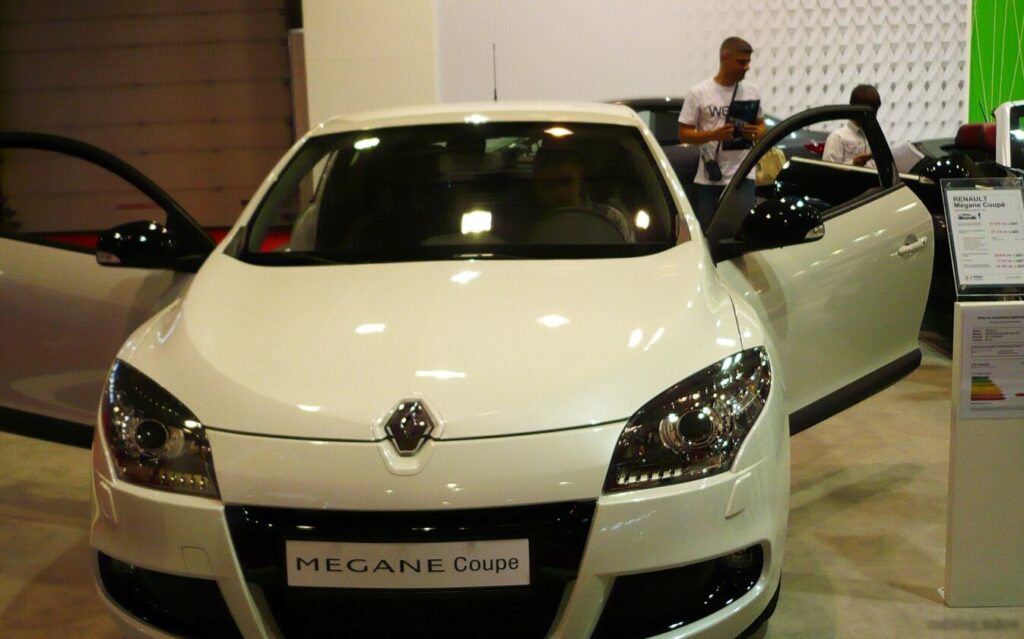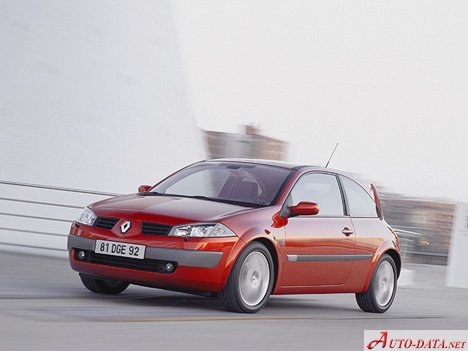
The Renault Megane II Coupe 2.0 16V (135 Hp) Automatic represents a distinctive offering within the European compact car segment, produced between 2002 and 2005. As part of the second-generation Megane (codename: BM0/CM0), this Coupe variant aimed to blend sporty styling with everyday practicality. This specific model, equipped with a 2.0-liter gasoline engine and a four-speed automatic transmission, occupied a mid-range position in the Megane II lineup, offering a step up in performance from the base 1.6-liter engines while remaining more accessible than the higher-performance versions. Though never officially sold in the United States, the Megane II Coupe played a crucial role in shaping Renault’s design identity and technological advancements in its key European markets.
Powertrain & Engine Architecture
The heart of the Renault Megane II Coupe 2.0 16V (135 Hp) Automatic is the F4R engine, a 2.0-liter (1998 cc) inline-four cylinder gasoline engine. This naturally aspirated engine utilizes a double overhead camshaft (DOHC) valvetrain with 16 valves – four valves per cylinder – to optimize breathing and power delivery. The F4R engine is known for its robustness and relative simplicity, making it a reliable powerplant for its era. Fuel delivery is managed by a multi-point fuel injection system, ensuring efficient combustion and smooth operation.
The engine produces 135 horsepower (hp) at 5500 rpm and 191 Newton-meters (140.87 lb-ft) of torque at 3750 rpm. This output provides a good balance between performance and fuel economy. The power is transmitted to the front wheels via a four-speed automatic transmission. This transmission, while not as advanced as modern automatic gearboxes, offers smooth shifts and ease of use, catering to drivers who prefer the convenience of an automatic. The transmission’s gear ratios are geared towards providing adequate acceleration and comfortable cruising speeds.
Engine Code Specifics
The F4R engine family encompasses several variations, but the version used in the Megane II Coupe 2.0 16V Automatic is typically identified by its engine code. While specific codes can vary depending on the production year and market, common codes include F4R 760, F4R 761, and F4R 762. These codes denote minor variations in engine management systems and components. The engine’s block is constructed from cast iron, providing durability, while the cylinder head is made of aluminum alloy, contributing to weight reduction. The engine also features a timing chain, which generally requires less maintenance than a timing belt.
Driving Characteristics
The driving experience in the Renault Megane II Coupe 2.0 16V Automatic is characterized by smooth, predictable performance. The 135 hp engine provides adequate acceleration for everyday driving, with a noticeable mid-range torque band that makes overtaking and merging onto highways relatively effortless. However, compared to the manual transmission versions of the same engine, or the higher-output 2.0 16V turbo variants, the automatic transmission does result in a slight performance deficit. The four-speed automatic transmission, while smooth, lacks the responsiveness and efficiency of more modern transmissions.
The gear ratios are tuned for comfort rather than outright performance, meaning that the engine can feel slightly strained during hard acceleration. The automatic transmission also tends to hold onto gears for longer, prioritizing fuel economy over rapid acceleration. Despite these limitations, the Megane II Coupe 2.0 16V Automatic offers a comfortable and refined driving experience, particularly on longer journeys. The suspension provides a good balance between ride comfort and handling, absorbing bumps and imperfections in the road surface effectively.
Equipment & Trim Levels
The Renault Megane II Coupe 2.0 16V Automatic typically came equipped with a reasonable level of standard features for its price point. These included air conditioning, power windows, central locking, and an audio system with CD player. Higher trim levels, such as the “Expression” or “Dynamique” variants, added features like alloy wheels, fog lights, automatic headlights and rain-sensing wipers, and upgraded interior trim. Interior upholstery was typically cloth, with options for leather available on higher-spec models. The dashboard featured a modern design with a digital instrument cluster, a distinctive feature of the Megane II. Optional extras included a sunroof, navigation system, and parking sensors.
Chassis & Braking
The Renault Megane II Coupe 2.0 16V Automatic utilizes a McPherson strut suspension setup at the front, providing good handling and ride comfort. The rear suspension employs a torsion beam, a cost-effective and space-efficient solution that offers adequate performance for everyday driving. The braking system consists of ventilated disc brakes at the front and solid disc brakes at the rear. Anti-lock Braking System (ABS) is standard, enhancing safety by preventing wheel lockup during hard braking. The steering is electric power-assisted, providing light and precise control. The car rides on 205/55 R16 tires, offering a good balance between grip and ride comfort.
Market Reception & Comparison
The Renault Megane II Coupe 2.0 16V Automatic received generally positive reviews from automotive critics in Europe. It was praised for its distinctive styling, comfortable ride, and well-equipped interior. However, the four-speed automatic transmission was often criticized for its lack of responsiveness and efficiency compared to more modern alternatives. Compared to other trims in the Megane II lineup, the 2.0 16V Automatic offered a good balance between performance and fuel economy. The 1.6-liter versions were more affordable but lacked the power of the 2.0-liter engine, while the higher-output 2.0 16V turbo variants offered more performance but came at a higher price. In terms of fuel economy, the 2.0 16V Automatic achieved a combined fuel consumption of around 8.4 liters per 100 kilometers (28 US mpg), which was competitive for its class.
Technical Specifications
| Category | Specification |
| Brand | Renault |
| Model | Megane |
| Generation | Megane II Coupe |
| Type (Engine) | 2.0 16V (135 Hp) Automatic |
| Production Start | 2002 |
| Production End | 2005 |
| Powertrain Architecture | Internal Combustion Engine (ICE) |
| Body Type | Coupe |
| Seats | 5 |
| Doors | 3 |
| Fuel Consumption (Urban) | 11.8 l/100 km (19.9 US mpg) |
| Fuel Consumption (Extra Urban) | 6.5 l/100 km (36.2 US mpg) |
| Fuel Consumption (Combined) | 8.4 l/100 km (28 US mpg) |
| CO2 Emissions | 201 g/km |
| Fuel Type | Gasoline (Petrol) |
| Acceleration 0 – 60 mph | 10.4 sec |
| Acceleration 0 – 100 km/h | 10.9 sec |
| Maximum Speed | 194 km/h (120.55 mph) |
| Emission Standard | Euro 4 |
| Power | 135 Hp @ 5500 rpm |
| Torque | 191 Nm @ 3750 rpm (140.87 lb.-ft.) |
| Engine Displacement | 1998 cm3 (121.93 cu. in.) |
| Number of Cylinders | 4 |
| Engine Configuration | Inline |
| Transmission | 4-speed Automatic |
| Kerb Weight | 1245 kg (2744.76 lbs.) |
Legacy
The Renault Megane II Coupe 2.0 16V Automatic, while not a high-performance variant, has proven to be a relatively reliable vehicle in the long term. The F4R engine is known for its durability, and the automatic transmission, while not particularly sophisticated, is generally robust. Common issues include wear and tear on suspension components and occasional problems with the electric power steering. In the used car market, the Megane II Coupe 2.0 16V Automatic represents a relatively affordable and stylish option for buyers seeking a distinctive European compact car. Its unique design and comfortable driving experience continue to appeal to enthusiasts and those looking for a car that stands out from the crowd. The model’s enduring appeal is a testament to Renault’s bold design choices and the inherent quality of the F4R engine.