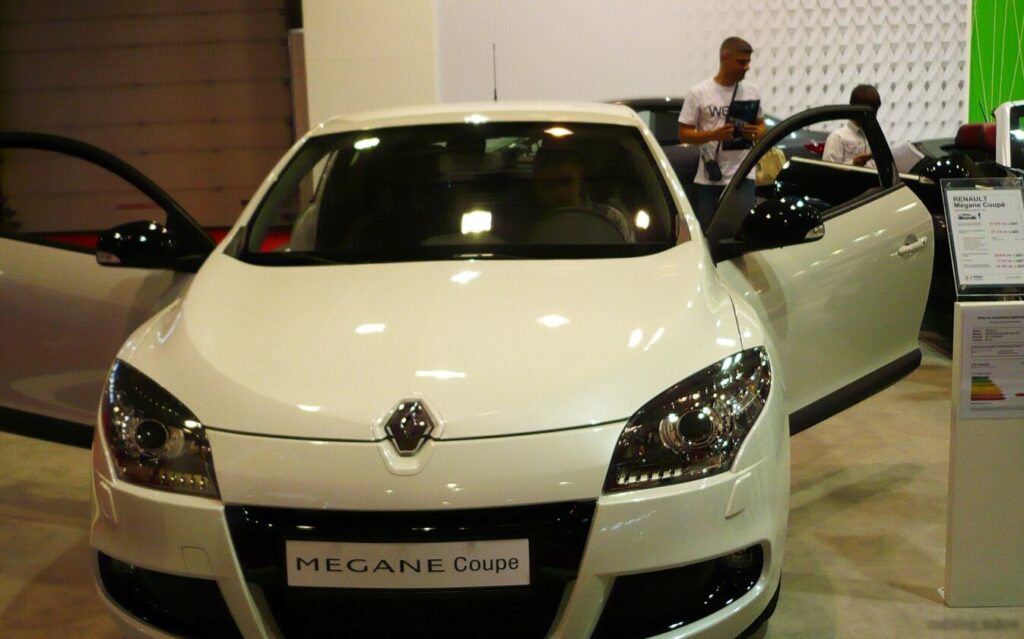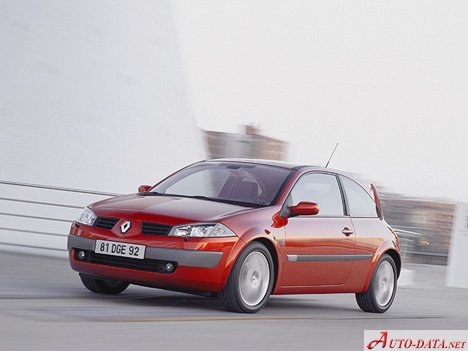
The Renault Megane II Coupe GT 1.9 dCi (110 Hp) FAP represents a distinctive offering within the second generation of Renault’s popular compact car line, the Megane. Launched in 2005, this specific variant emphasized a sportier aesthetic combined with the efficiency and robust torque of a turbodiesel engine, a powertrain choice highly favored in European markets during its production run. As a three-door coupe, it carved out a niche for buyers seeking a blend of practicality, a dynamic driving experience, and economical operation, all wrapped in the Megane II’s famously unconventional and polarizing design language. While not officially sold in the United States, the Megane II Coupe was a significant player in the competitive European C-segment, showcasing Renault’s engineering prowess and commitment to diesel technology.
Powertrain & Engine Architecture
At the heart of the Renault Megane II Coupe GT 1.9 dCi (110 Hp) FAP lies a 1.9-liter (1870 cubic centimeters or 114.11 cubic inches) inline-four turbodiesel engine, identified by the F9Q engine code. This powertrain was a staple in Renault’s lineup, known for its balance of performance and fuel efficiency. It generated a respectable 110 horsepower at 4,000 revolutions per minute (rpm), making it a capable performer for its class. More notably, the engine delivered a substantial 191.77 lb.-ft. of torque at a low 2,000 rpm. This characteristic torque delivery is a hallmark of diesel engines, providing strong pulling power from low engine speeds, which translates to confident acceleration and effortless cruising.
The engine featured a common rail fuel injection system, which was advanced for its time, allowing for precise fuel delivery and improved combustion efficiency. Coupled with a turbocharger and intercooler, it ensured optimal air intake and boost pressure, contributing to both power output and responsiveness. The inclusion of a Particulate Filter (FAP) was a key environmental feature, designed to reduce diesel particulate emissions and help the vehicle comply with Euro 4 emission standards, which were becoming increasingly stringent in Europe. The F9Q engine utilizes a single overhead camshaft (OHC) design, operating with a compression ratio of 19:1. It features two valves per cylinder, contributing to its efficient combustion process. The engine’s fuel injection system is a sophisticated common rail system, allowing for multiple injection events per combustion cycle, optimizing both power and emissions.
The Megane II Coupe GT 1.9 dCi was exclusively offered with a six-speed manual transmission. This transmission was chosen to effectively manage the engine’s torque output and provide a more engaging driving experience. The gear ratios were optimized for both fuel efficiency and acceleration, with a relatively long sixth gear for highway cruising and shorter lower gears for responsive city driving. The transmission’s shift linkage was designed for precise and smooth gear changes, enhancing the overall driving feel.
Driving Characteristics
The 1.9 dCi engine in the Megane II Coupe GT provided a distinctly different driving experience compared to the gasoline-powered variants or the higher-output diesel models. While lacking the outright acceleration of the more powerful engines, the 110 hp version excelled in providing strong, usable torque across a wide rev range. This made it particularly well-suited for everyday driving, offering effortless overtaking and comfortable cruising on highways. The six-speed manual transmission allowed drivers to keep the engine in its optimal power band, maximizing efficiency and responsiveness.
Compared to the 1.5 dCi engine offered in lower trims, the 1.9 dCi provided a noticeable increase in performance, particularly in mid-range acceleration. It didn’t possess the sporty character of the higher-output 1.9 dCi variants (typically around 120-130 hp), but it offered a more balanced combination of performance and fuel economy. The relatively low engine weight, combined with the front-wheel-drive configuration, contributed to agile handling and predictable cornering behavior. The suspension tuning, while not overtly sporty, provided a comfortable ride without excessive body roll.
Equipment & Trim Levels
The “GT” trim level on the Renault Megane II Coupe signified a step up in terms of equipment and aesthetics. Standard features typically included air conditioning, electric front windows, power steering, an integrated radio/CD player, and ABS brakes. Safety features were a priority, with driver and passenger airbags, and seatbelt pretensioners included as standard. The interior featured sporty cloth upholstery, often with a dark color scheme and contrasting stitching. The dashboard layout was characterized by Renault’s innovative digital instrumentation, which displayed information in a clear and modern format.
Optional extras available for the GT trim included alloy wheels, rear parking sensors, automatic headlights and rain-sensing wipers, and a more advanced audio system. Some models also offered a panoramic sunroof and leather upholstery as optional upgrades. The GT trim also featured subtle exterior styling enhancements, such as a rear spoiler and unique front fog lights, differentiating it from the lower-spec models.
Chassis & Braking
The Renault Megane II Coupe GT 1.9 dCi utilized a MacPherson strut front suspension and a torsion beam rear suspension. This configuration provided a good balance between ride comfort and handling performance. The torsion beam rear suspension was a cost-effective solution that minimized weight and complexity while still offering adequate stability. The front suspension featured coil springs and dampers tuned for a comfortable yet controlled ride. The chassis was reinforced in key areas to enhance rigidity and improve handling precision.
The braking system consisted of ventilated disc brakes at the front and solid disc brakes at the rear. ABS (Anti-lock Braking System) was standard, providing enhanced braking control in emergency situations. The braking system was designed to provide adequate stopping power for the vehicle’s weight and performance capabilities. The steering system was an electric power-assisted rack and pinion system, offering light steering effort at low speeds and more feedback at higher speeds.
Market Reception & Comparison
Critics generally praised the Renault Megane II Coupe GT 1.9 dCi for its strong diesel engine, fuel efficiency, and distinctive styling. The FAP-equipped diesel engine was particularly well-regarded for its low emissions and compliance with European environmental standards. However, some critics noted that the interior design, while innovative, could be perceived as somewhat unconventional. The car’s handling was generally considered competent, but not as sporty as some of its rivals.
Compared to other trims in the Megane II lineup, the 1.9 dCi offered a compelling combination of performance and economy. It was more powerful and refined than the 1.5 dCi variants, but less expensive and more fuel-efficient than the higher-output gasoline engines. Against competitors like the Volkswagen Golf GT TDI, the Megane II Coupe GT 1.9 dCi offered a more distinctive design and a slightly lower price point, but the Golf was often praised for its build quality and refinement. The Opel Astra GTC and Ford Focus C-Max were also key competitors, offering similar levels of performance and economy.
Technical Specifications
| Category | Specification |
| Brand | Renault |
| Model | Megane |
| Generation | Megane II Coupe |
| Type (Engine) | GT 1.9 dCi (110 Hp) FAP |
| Production Start | 2005 |
| Production End | 2005 |
| Powertrain Architecture | Internal Combustion engine |
| Body type | Coupe |
| Seats | 5 |
| Doors | 3 |
| Fuel Consumption (Urban) | 7.1 l/100 km (33.1 US mpg) |
| Fuel Consumption (Extra Urban) | 4.8 l/100 km (49 US mpg) |
| Fuel Consumption (Combined) | 5.6 l/100 km (42 US mpg) |
| CO2 Emissions | 148 g/km |
| Fuel Type | Diesel |
| Acceleration 0-60 mph | 10.2 seconds |
| Maximum Speed | 188 km/h (116.82 mph) |
| Emission Standard | Euro 4 |
| Weight-to-Power Ratio | 11.4 kg/Hp (88 Hp/tonne) |
| Weight-to-Torque Ratio | 4.8 kg/Nm (208 Nm/tonne) |
| Power | 110 Hp @ 4000 rpm |
| Power per liter | 58.8 Hp/l |
| Torque | 260 Nm @ 2000 rpm (191.77 lb.-ft. @ 2000 rpm) |
| Engine Layout | Front, Transverse |
| Engine Model/Code | F9Q |
| Engine Displacement | 1870 cm3 (114.11 cu. in.) |
| Number of Cylinders | 4 |
| Engine Configuration | Inline |
| Cylinder Bore | 80 mm (3.15 in.) |
| Piston Stroke | 93 mm (3.66 in.) |
| Compression Ratio | 19:1 |
| Valves per Cylinder | 2 |
| Fuel Injection System | Diesel Commonrail |
| Engine Aspiration | Turbocharger, Intercooler |
| Valvetrain | OHC |
| Kerb Weight | 1250 kg (2755.78 lbs.) |
| Trunk (boot) Space – Minimum | 330 l (11.65 cu. ft.) |
| Trunk (boot) Space – Maximum | 1190 l (42.02 cu. ft.) |
Legacy
The Renault Megane II Coupe GT 1.9 dCi (110 Hp) FAP, while a specific and relatively short-lived trim, contributed to the overall success and reputation of the Megane II generation. The F9Q engine proved to be a durable and reliable unit when properly maintained, and many examples are still on the road today. The engine’s longevity is a testament to Renault’s engineering and the robustness of diesel technology. In the used car market, these models are often sought after for their fuel efficiency and relatively low running costs. However, potential buyers should be aware of the maintenance requirements associated with diesel engines, including regular servicing of the fuel injection system and the FAP filter. The Megane II Coupe, in general, remains a popular choice for those seeking a stylish and practical compact coupe, and the 1.9 dCi variant offers a particularly appealing combination of performance, economy, and reliability.