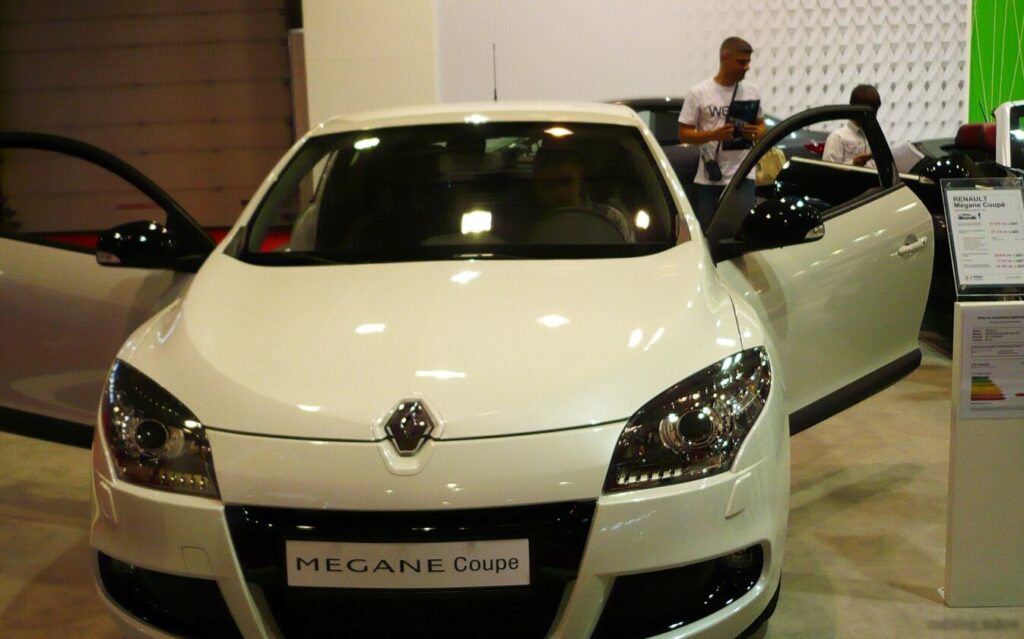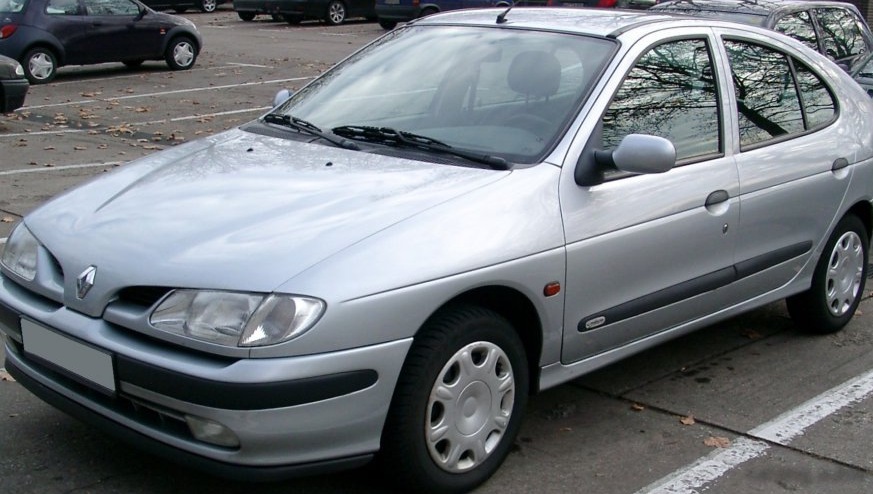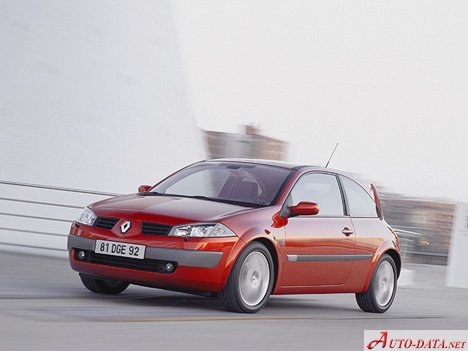
The Renault Megane II Coupe GT 1.9 dCi (130 hp) FAP, produced from 2005 to 2009, represented a performance-oriented variant within the second generation Megane (codename: BM0/CM0) range. Positioned as a mid-range to upper-mid-range offering, it aimed to bridge the gap between the more economical base models and the flagship 2.0L petrol versions. This coupe, distinguished by its sporty styling and diesel engine, catered to drivers seeking a balance of fuel efficiency, respectable performance, and a more engaging driving experience than the standard Megane II.
Powertrain & Engine Architecture
The heart of the Megane II Coupe GT 1.9 dCi is the Renault-developed M9R 722 engine, a 1.9-liter inline-four cylinder diesel. This engine is a common-rail direct injection (CRDI) unit, utilizing piezoelectric injectors for precise fuel delivery. The M9R engine family was notable for its robust construction and relatively advanced technology for its time. The 130 hp output was achieved through a turbocharger with variable geometry (VGT) and an intercooler, boosting intake air density. Peak torque of 300 Nm (221 lb-ft) was available from 1750 rpm, providing strong mid-range acceleration. The engine featured a single overhead camshaft (SOHC) design with two valves per cylinder. The FAP (Filtre à Particules), or diesel particulate filter, was a standard feature, designed to reduce particulate matter emissions and meet increasingly stringent European emission standards.
The transmission paired with the M9R 722 engine was a six-speed manual gearbox. While an automatic transmission was available on other Megane II models, the GT 1.9 dCi was exclusively offered with the manual, emphasizing its sporty character. The gearbox featured a relatively short throw and precise shift action, contributing to the driver engagement. The final drive ratio was typically 3.69:1, optimized for both acceleration and highway cruising.
Engine Codes & Variations
The M9R 722 engine code specifically denotes the 130 hp variant. Lower-powered versions of the 1.9 dCi existed (typically 115 hp), and a higher-output 150 hp version was also available in some markets. The key differences between these versions lay in the turbocharger calibration, engine control unit (ECU) mapping, and potentially injector specifications. The 130 hp version struck a balance between performance and fuel economy, making it a popular choice for drivers covering long distances.
Driving Characteristics
The Megane II Coupe GT 1.9 dCi offered a noticeably more spirited driving experience compared to the lower-powered petrol and diesel variants. The 300 Nm of torque, readily available from low engine speeds, provided strong acceleration in everyday driving situations. The six-speed manual transmission allowed drivers to keep the engine within its optimal power band, maximizing performance. While not a dedicated sports car, the GT model felt agile and responsive, particularly on winding roads. The steering was well-weighted, providing good feedback, and the suspension was tuned for a slightly firmer ride than the standard Megane II, enhancing handling stability. Compared to the 2.0L petrol versions, the 1.9 dCi offered superior fuel economy and a broader torque curve, although it lacked the high-end power and engine responsiveness of the petrol engine. The diesel engine’s inherent noise and vibration were present, but generally well-contained within the cabin.
Equipment & Trim Levels
The GT trim level for the Megane II Coupe included a number of standard features designed to enhance both comfort and aesthetics. These typically included alloy wheels (usually 17-inch), sports seats with enhanced bolstering, air conditioning, a CD stereo system, electric front windows, and electric door mirrors. The interior featured aluminum pedal caps and a leather-wrapped steering wheel, further emphasizing the sporty theme. Optional extras included a panoramic sunroof, leather upholstery, a navigation system, and rear parking sensors. The dashboard layout was typical of the Megane II, with a centrally-mounted display for the stereo and climate control systems. The GT trim also featured unique exterior styling cues, such as a rear spoiler and body-colored side skirts.
Chassis & Braking
The Megane II Coupe GT 1.9 dCi utilized a MacPherson strut front suspension and a torsion beam rear suspension. The torsion beam rear suspension was a cost-effective solution that provided adequate handling characteristics for most driving conditions. The GT trim typically featured a slightly thicker front stabilizer bar compared to the standard Megane II, reducing body roll during cornering. The braking system consisted of ventilated front discs and solid rear discs. Anti-lock Braking System (ABS) with Electronic Brakeforce Distribution (EBD) was standard. The braking performance was generally considered adequate for the vehicle’s weight and performance capabilities. The steering system was a power-assisted rack and pinion system, providing precise and responsive steering feel.
Market Reception & Comparison
The Renault Megane II Coupe GT 1.9 dCi was generally well-received by automotive critics. It was praised for its strong performance, fuel efficiency, and engaging driving experience. Critics noted that the diesel engine provided ample torque for everyday driving and long-distance cruising. The sporty styling and well-equipped interior were also appreciated. However, some critics pointed out the inherent noise and vibration of the diesel engine and the relatively basic interior materials compared to some competitors. Compared to other trims in the Megane II lineup, the GT 1.9 dCi offered a significant performance upgrade over the base models, while remaining more affordable than the 2.0L petrol versions. In terms of fuel economy, the 1.9 dCi consistently outperformed the petrol engines, making it a popular choice for drivers prioritizing efficiency. Reliability was generally good, although the diesel particulate filter (FAP) could require occasional maintenance or replacement, particularly on vehicles used primarily for short journeys.
Technical Specifications
| Engine Type | Renault M9R 722 1.9L Inline-4 Diesel |
| Displacement | 1870 cc (114.1 cu in) |
| Maximum Power | 130 hp (97 kW) @ 4000 rpm |
| Maximum Torque | 300 Nm (221 lb-ft) @ 1750 rpm |
| Fuel System | Common-Rail Direct Injection (CRDI) |
| Valvetrain | SOHC, 2 valves per cylinder |
| Turbocharger | Variable Geometry Turbocharger (VGT) |
| Transmission | 6-speed Manual |
| Drivetrain | Front-Wheel Drive |
| Weight (approx.) | 1390 kg (3064 lbs) |
| 0-100 km/h (0-62 mph) | 9.2 seconds |
| Top Speed | 205 km/h (127 mph) |
| Fuel Consumption (Combined) | 5.5 L/100km (43 mpg) |
Legacy
The Renault Megane II Coupe GT 1.9 dCi remains a relatively popular choice in the used car market. The M9R engine, while requiring diligent maintenance (particularly regarding the FAP), is known for its durability and longevity. The 130 hp version strikes a good balance between performance and reliability. However, potential buyers should be aware of the potential costs associated with FAP maintenance and the importance of using high-quality diesel fuel. The GT trim level, with its sporty styling and well-equipped interior, continues to appeal to drivers seeking a stylish and efficient coupe. The Megane II Coupe GT 1.9 dCi represents a significant step forward in Renault’s diesel engine technology and remains a capable and enjoyable vehicle for those seeking a blend of performance, economy, and practicality.