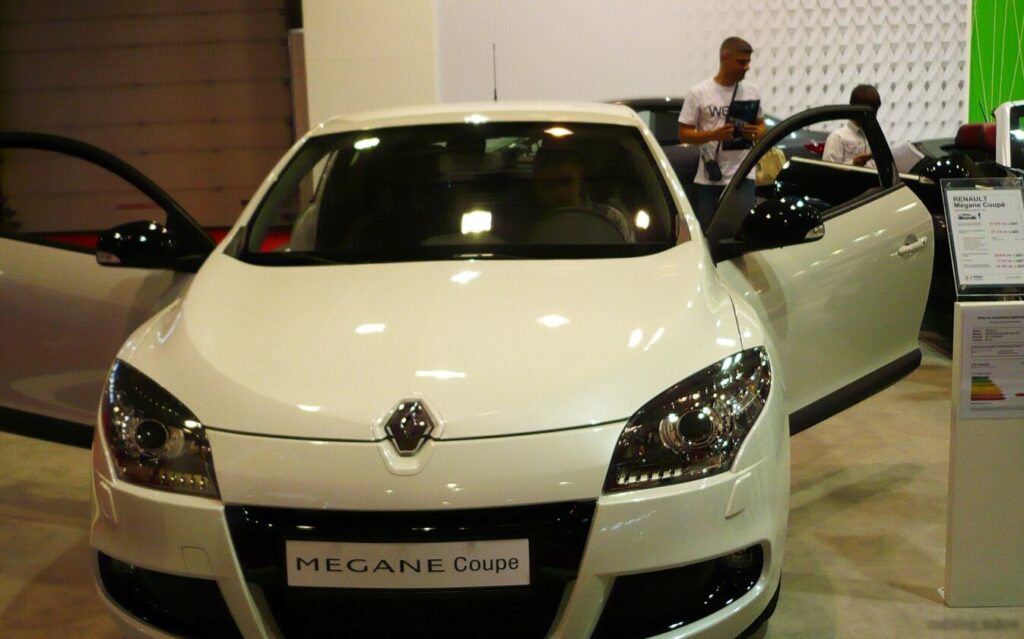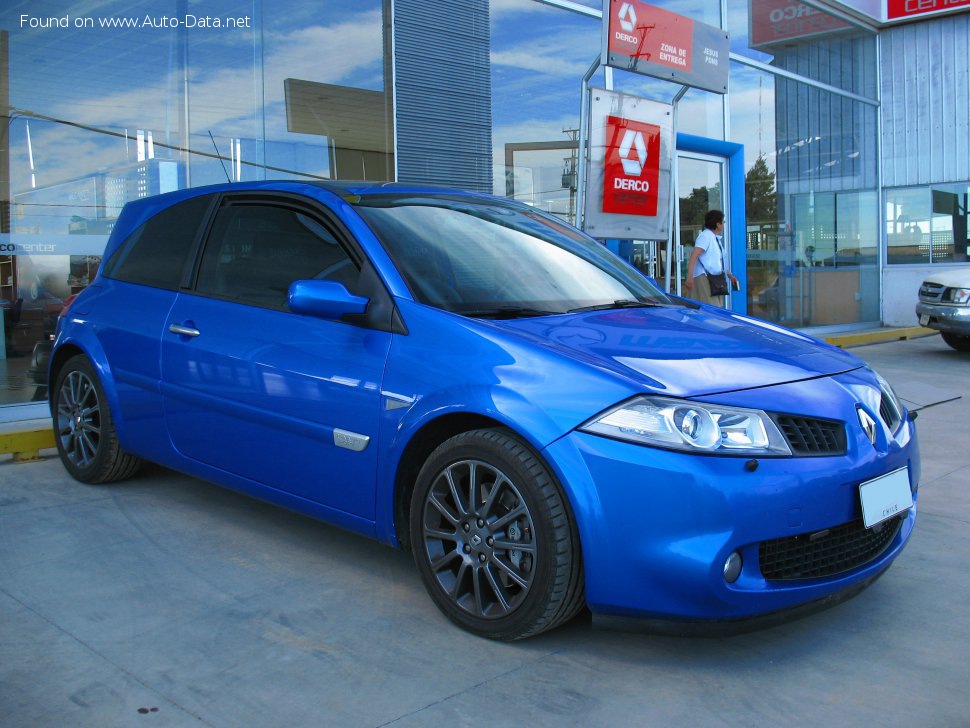
The Renault Megane II Coupe (Phase II, 2006) represents a significant iteration within the second generation of Renault’s popular compact car. Produced from 2006 to 2008, this facelifted version of the Megane II aimed to refine the already distinctive styling and enhance the overall driving experience. While never officially offered for sale in the United States, the Megane II Coupe found considerable success in European and international markets, lauded for its modern design, safety features, and value proposition. This article focuses specifically on the variant equipped with the 2.0-liter 16V engine paired with an automatic transmission, a configuration positioned as a comfortable and well-equipped mid-range option within the Megane II Coupe lineup.
The 2.0L Automatic Megane II Coupe: Positioning and Overview
The Phase II update brought subtle but important changes to the Megane II, including revised front and rear styling, updated interior materials, and improvements to the car’s overall refinement. The 2.0-liter engine with automatic transmission was a key part of the range, sitting above the base 1.6-liter models and below the more performance-oriented 2.0-liter turbo and diesel options. It targeted buyers who prioritized a balance of power, comfort, and convenience over outright sportiness or maximum fuel economy. This trim level typically included features like air conditioning, power windows, central locking, and an upgraded audio system as standard, with options for leather upholstery, sunroof, and alloy wheels.
Powertrain & Engine Architecture
The heart of this Megane II Coupe variant is the Renault F4R 2.0-liter inline-four cylinder engine. Displacing 1998cc (121.93 cubic inches), this naturally aspirated engine utilizes a cast iron block with an aluminum cylinder head. The F4R engine is a 16-valve design, employing a Double Overhead Camshaft (DOHC) configuration. This valvetrain design allows for efficient cylinder filling and exhaust scavenging, contributing to the engine’s respectable power output. Fuel delivery is managed by a multi-point fuel injection system, ensuring precise fuel metering for optimal combustion. The engine produces 135 horsepower (hp) at 5500 rpm and 190 lb-ft of torque at 3750 rpm.
The automatic transmission paired with the F4R engine is a four-speed unit. While not the most modern transmission by today’s standards, it was a common choice in Europe during the mid-2000s, offering smooth and convenient gear changes. The transmission’s gear ratios are tuned for a balance of acceleration and fuel efficiency. First gear is relatively short for brisk acceleration from a standstill, while the higher gears are geared for comfortable cruising at highway speeds. The transmission features a conventional torque converter and electronic control for optimized shift points.
Engine Code and Variations
The F4R engine family has several variations, but the version used in the 2006 Megane II Coupe (Phase II) is generally identified by specific engine codes. These codes can vary slightly depending on the market, but are crucial for identifying specific engine components and service requirements. The F4R engine is known for its relative reliability, although regular maintenance is essential to prevent issues such as oil leaks and timing chain wear.
Driving Characteristics
The 2.0-liter automatic Megane II Coupe offers a comfortable and refined driving experience. Acceleration is adequate for everyday driving, with the engine providing sufficient power for overtaking maneuvers and merging onto highways. The automatic transmission shifts smoothly, although it can sometimes feel a bit hesitant when downshifting. Compared to the manual transmission versions of the same engine, the automatic version offers slightly reduced acceleration due to the inherent power losses within the torque converter and transmission. However, the convenience of the automatic transmission often outweighs the slight performance difference for many drivers.
The steering is light and precise, making the car easy to maneuver in urban environments. The suspension is tuned for comfort, providing a smooth ride over most road surfaces. However, the suspension can feel a bit soft when cornering, resulting in some body roll. Overall, the driving experience is geared towards comfort and convenience rather than outright sportiness.
Equipment & Trim Levels
The 2.0-liter automatic Megane II Coupe typically came equipped with a generous array of standard features. These included air conditioning, power windows, central locking, an RDS radio with CD player, and ABS brakes with Electronic Brakeforce Distribution (EBD). Higher trim levels offered additional features such as leather upholstery, a sunroof, alloy wheels, automatic headlights and rain-sensing wipers, and a more advanced audio system. Optional extras also included a navigation system and parking sensors.
Interior upholstery was typically cloth on the base models, with leather options available on higher trims. The dashboard layout was modern and functional, with a clear and easy-to-read instrument cluster. The interior materials were generally of good quality, although some plastics could feel a bit hard to the touch.
Chassis & Braking
The Megane II Coupe utilizes a MacPherson strut front suspension and a torsion beam rear suspension. This suspension setup provides a good balance of comfort and handling. The front suspension features coil springs and a stabilizer bar to reduce body roll. The rear torsion beam suspension is simple and effective, offering good ride quality and space efficiency. The chassis is relatively lightweight, contributing to the car’s nimble handling.
Braking duties are handled by disc brakes on the front wheels and either disc or drum brakes on the rear wheels, depending on the trim level. ABS brakes with EBD are standard, providing enhanced braking performance and stability. The braking system is generally effective, offering good stopping power and pedal feel.
Market Reception & Comparison
The Renault Megane II Coupe (Phase II) was generally well-received by automotive critics. It was praised for its stylish design, comfortable ride, and generous equipment levels. The 2.0-liter automatic variant was considered a good all-rounder, offering a balance of performance, comfort, and convenience. However, some critics noted that the automatic transmission could feel a bit sluggish at times, and the interior materials could be improved.
Compared to other trims in the Megane II lineup, the 2.0-liter automatic offered a step up in performance and refinement compared to the 1.6-liter models. However, it was less sporty than the 2.0-liter turbo and diesel versions. Fuel economy was reasonable, but not as good as the diesel models. Reliability was generally good, although some owners reported minor issues with the electrical system and the automatic transmission.
Technical Specifications
| Engine Type | Inline-4, Naturally Aspirated |
| Displacement | 1998 cc (121.93 cu in) |
| Horsepower | 135 hp @ 5500 rpm |
| Torque | 190 lb-ft @ 3750 rpm |
| Fuel Injection | Multi-point Fuel Injection |
| Valvetrain | DOHC (Double Overhead Camshaft), 16 Valves |
| Transmission | 4-Speed Automatic |
| Drive Wheels | Front-Wheel Drive |
| Brakes (Front) | Disc |
| Brakes (Rear) | Disc or Drum (depending on trim) |
| Suspension (Front) | MacPherson Strut |
| Suspension (Rear) | Torsion Beam |
| Curb Weight | Approximately 1380 kg (3042 lbs) |
| 0-60 mph (estimated) | 9.5 – 10.5 seconds |
Legacy
The Renault Megane II Coupe (Phase II) with the 2.0-liter automatic powertrain has proven to be a relatively reliable and durable vehicle. The F4R engine is known for its longevity, and the automatic transmission, while not the most advanced, is generally dependable with proper maintenance. In the used car market, these models are often sought after for their affordability, stylish design, and comfortable driving experience. However, potential buyers should be aware of potential issues such as oil leaks, timing chain wear, and electrical gremlins. Regular servicing and preventative maintenance are essential to ensure the long-term reliability of these vehicles. The Megane II Coupe remains a popular choice for those seeking a practical and stylish compact coupe at a reasonable price point.