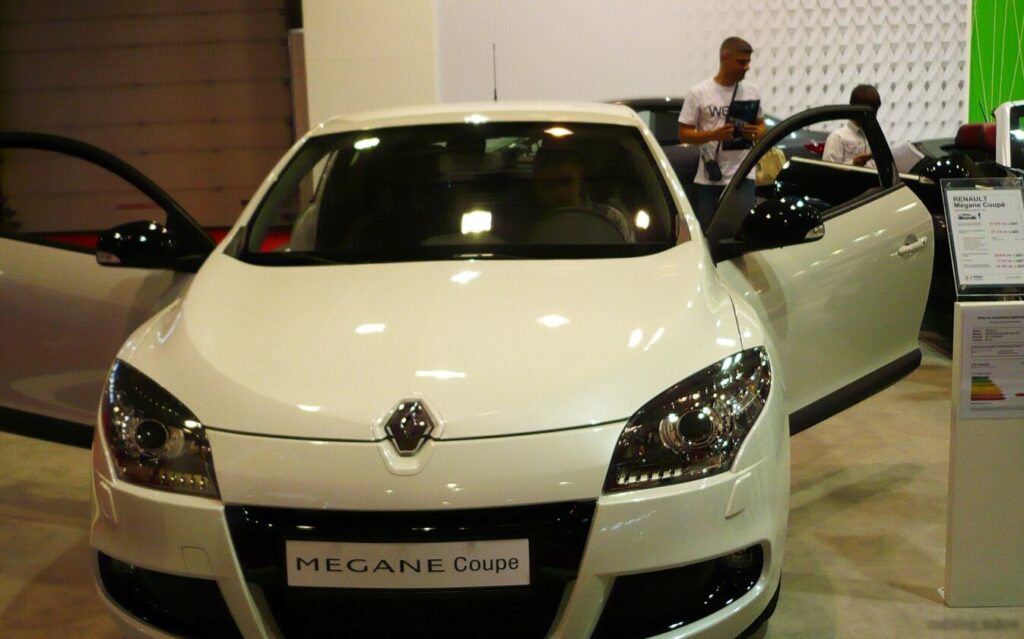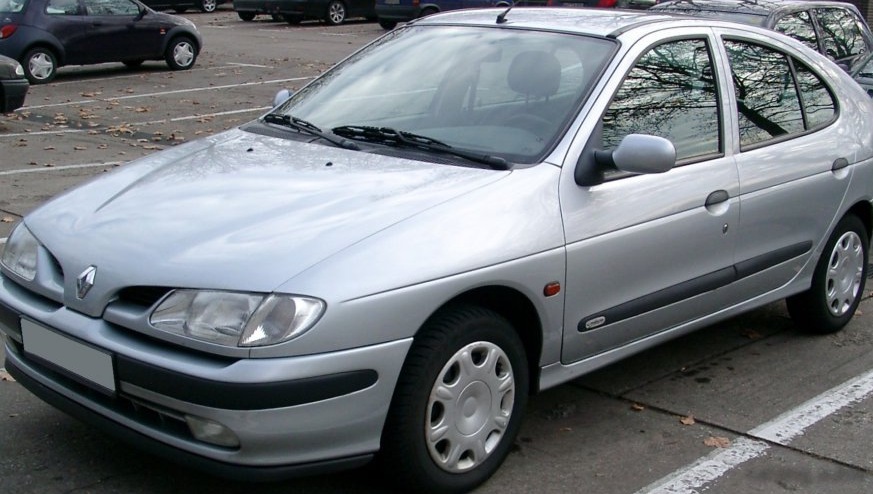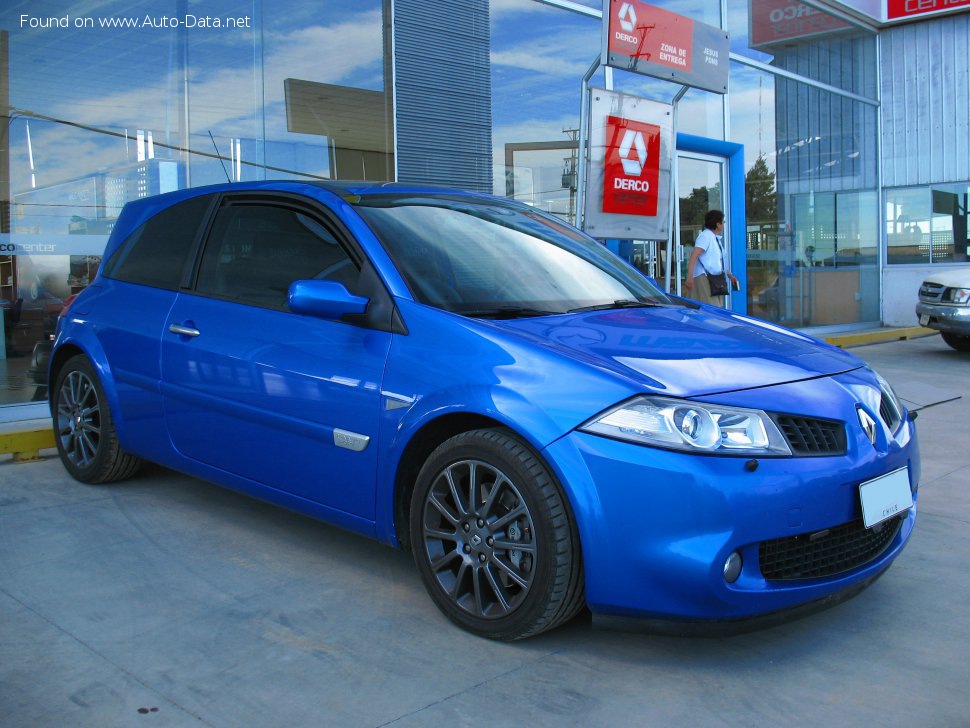
The Renault Megane II Coupe (Phase II, 2006) GT 1.9 dCi (130 Hp) FAP represents a distinctive chapter in the history of compact European automobiles. As part of the second generation of Renault’s popular Megane lineup, the Phase II models, introduced in 2006, brought a refreshed look and updated powertrains to the market. This specific GT 1.9 dCi variant, produced for the 2008 model year, was a compelling offering for European consumers seeking a blend of sporty aesthetics, engaging driving dynamics, and the impressive fuel efficiency inherent to diesel technology. While never officially sold in the United States, the Megane II Coupe was a significant player in the highly competitive European C-segment, where it carved out a niche as a stylish and practical three-door compact, directly challenging rivals from Volkswagen, Ford, and Peugeot with its unique design and robust diesel engine.
The Megane II Coupe and its Position in the Lineup
The Megane II, first launched in 2002, was renowned for its avant-garde “bustle-back” design, a bold departure from conventional hatchback styling. The Coupe variant further accentuated this distinctiveness, offering a sleeker profile and a more performance-oriented stance. The GT trim, combined with the 1.9 dCi engine, aimed to deliver a “Grand Tourer” experience within a compact package – meaning comfortable long-distance cruising capability coupled with a responsive engine. This particular configuration, with its FAP (Filtre À Particules or Diesel Particulate Filter), also highlighted Renault’s commitment to meeting evolving European emission standards, specifically Euro 4, during a period when diesel engines were at their peak popularity across the continent. Within the Megane II Coupe range, the GT 1.9 dCi sat as a mid-range performance option. It was positioned above the base models (like the Authentique and Expression trims) which typically featured smaller gasoline engines, and below the more focused Renault Sport models which offered significantly higher power outputs and track-oriented features.
Powertrain & Engine Architecture
At the heart of the Renault Megane II Coupe (Phase II, 2006) GT 1.9 dCi (130 Hp) FAP lies a potent 1.9-liter (1870 cm³, 114.11 cu. in.) F9Q Turbo inline-four diesel engine. This powerplant, a staple in Renault’s lineup, was engineered for both efficiency and spirited performance. Equipped with a turbocharger and intercooler, it delivered a respectable 130 horsepower at 4000 rpm, translating to 69.5 horsepower per liter. More significantly for a diesel, it produced a substantial 300 Nm (221.27 lb.-ft.) of torque at a low 2000 rpm. This ample low-end torque was crucial for the car’s responsive acceleration and flexible in-gear performance, making it a joy to drive in both urban and highway conditions.
The F9Q engine utilizes a common rail direct injection system, delivering fuel directly into the combustion chamber at extremely high pressure. This system, coupled with the turbocharger, optimizes combustion efficiency and contributes to both power and reduced emissions. The engine features a single overhead camshaft (SOHC) design operating four valves per cylinder (two intake, two exhaust). The Diesel Particulate Filter (FAP) is a crucial component, trapping soot particles from the exhaust gases and periodically undergoing a regeneration cycle to burn off the accumulated soot. This process helps to significantly reduce particulate matter emissions, ensuring compliance with Euro 4 standards.
Power was sent to the front wheels via a slick-shifting 6-speed manual transmission, offering drivers precise control and the ability to maximize the engine’s power band. The transmission’s gear ratios were tuned to prioritize both acceleration and fuel efficiency, with a relatively short first gear for quick take-offs and a taller sixth gear for relaxed highway cruising.
Driving Characteristics
The Renault Megane II Coupe GT 1.9 dCi offered a distinctly different driving experience compared to its gasoline-powered siblings or the higher-output diesel variants. The 1.9 dCi engine’s abundant low-end torque meant that strong acceleration was available from very low engine speeds, eliminating the need for frequent downshifting. This made it particularly well-suited for everyday driving and overtaking maneuvers. While it didn’t possess the outright top-end rush of the more powerful engines, the GT 1.9 dCi provided a smooth and linear power delivery, making it predictable and easy to control.
Compared to the standard Megane II Coupes with smaller gasoline engines, the GT 1.9 dCi felt significantly more responsive and capable. The 6-speed manual transmission allowed drivers to keep the engine within its optimal power band, maximizing performance. The suspension, while not as aggressively tuned as the Renault Sport models, offered a good balance between comfort and handling, providing a stable and confident feel on both winding roads and highways. The steering was precise and well-weighted, contributing to an engaging driving experience.
Equipment & Trim Levels
The GT trim level for the Megane II Coupe included a number of standard features designed to enhance both comfort and style. These typically included air conditioning, power windows, remote central locking, a CD stereo system, and alloy wheels. The interior featured sport seats with enhanced bolstering to provide additional support during cornering. The dashboard and door panels were often trimmed with metallic accents, adding a touch of sophistication.
Optional extras available for the GT 1.9 dCi could include features such as a sunroof, leather upholstery, automatic climate control, and a more advanced audio system with navigation. Safety features, such as ABS, electronic brake-force distribution (EBD), and front airbags were standard equipment. The specific options available varied depending on the market and the year of production.
Chassis & Braking
The Megane II Coupe utilized a MacPherson strut independent suspension at the front, providing good wheel control and ride comfort. The rear suspension employed a torsion beam setup, which was a cost-effective and space-efficient solution for front-wheel-drive vehicles. The torsion beam offered a good balance between ride quality and handling, although it wasn’t as sophisticated as a fully independent rear suspension.
Braking duties were handled by ventilated disc brakes at the front and solid disc brakes at the rear. The inclusion of ABS (Anti-lock Braking System) and EBD (Electronic Brakeforce Distribution) enhanced braking performance and stability, particularly in emergency situations. The car’s relatively modest weight, compared to some of its rivals, contributed to its respectable braking performance.
Market Reception & Comparison
Critics generally praised the Renault Megane II Coupe GT 1.9 dCi for its stylish design, comfortable interior, and impressive fuel economy. The diesel engine was lauded for its torque and responsiveness, making it a practical and enjoyable car to drive. However, some reviewers noted that the interior materials weren’t quite as premium as those found in some of its competitors, such as the Volkswagen Golf.
In terms of fuel economy, the GT 1.9 dCi consistently outperformed its gasoline-powered rivals. Its combined fuel consumption of around 42 US mpg was a significant advantage for drivers concerned about running costs. Reliability was generally considered to be good, although some owners reported issues with the electronic systems. Compared to the more powerful Renault Sport models, the GT 1.9 dCi offered a more balanced blend of performance and practicality, appealing to a wider range of buyers.
Technical Specifications: Renault Megane II Coupe (Phase II, 2006) GT 1.9 dCi (130 Hp) FAP
| Category | Specification |
| General Information | |
| Brand | Renault |
| Model | Megane |
| Generation | Megane II Coupe (Phase II, 2006) |
| Type (Engine) | GT 1.9 dCi (130 Hp) FAP |
| Start of Production | 2008 year |
| End of Production | 2008 year |
| Powertrain Architecture | Internal Combustion engine |
| Body type | Coupe, 3 Doors, 5 Seats |
| Performance Specs | |
| Fuel consumption (economy) – urban | 7 l/100 km (33.6 US mpg) |
| Fuel consumption (economy) – extra urban | 4.9 l/100 km (48 US mpg) |
| Fuel consumption (economy) – combined | 5.6 l/100 km (42 US mpg) |
| CO2 emissions | 149 g/km (Euro 4) |
| Fuel Type | Diesel |
| Acceleration 0 – 60 mph | 8.6 sec |
| Acceleration 0 – 100 km/h | 9 sec |
| Maximum speed | 200 km/h (124.27 mph) |
| Weight-to-power ratio | 9.6 kg/Hp (104 Hp/tonne) |
| Weight-to-torque ratio | 4.2 kg/Nm (240 Nm/tonne) |
| Engine Specs | |
| Power | 130 Hp @ 4000 rpm |
| Power per liter | 69.5 Hp/l |
| Torque | 300 Nm @ 2000 rpm (221.27 lb.-ft. @ 2000 rpm) |
| Engine layout | Front, Transverse |
| Engine Model/Code | F9Q Turbo |
| Engine displacement | 1870 cm3 (1.9 Liters / 114.11 cu. in.) |
| Number of cylinders | 4 Inline |
| Cylinder Bore | 80 mm (3.15 in.) |
| Piston Stroke | 93 mm (3.66 in.) |
| Compression ratio | 19:1 |
| Number of valves per cylinder | 2 |
| Fuel injection system | Diesel Commonrail |
| Engine aspiration | Turbocharger, Intercooler |
| Valvetrain | OHC |
| Engine oil capacity | 4.5 l (4.76 US qt) |
| Coolant | 7.9 l (8.35 US qt) |
| Engine systems | Particulate filter |
| Space, Volume and Weights | |
| Kerb Weight | 1250 kg (2755.78 lbs.) |
| Max. weight | 1800 kg (3968.32 lbs.) |
| Max load | 550 kg (1212.54 lbs.) |
| Trunk (boot) space – minimum | 330 l (11.65 cu. ft.) |
| Trunk (boot) space – maximum | 1190 l (42.02 cu. ft.) |
| Fuel tank capacity | 60 l (15.85 US gal) |
| Dimensions | |
| Length | 4209 mm (165.71 in.) |
| Width | 1777 mm (69.96 in.) |
| Width including mirrors | 2026 mm (79.76 in.) |
| Height | 1458 mm (57.4 in.) |
| Wheelbase | 2625 mm (103.35 in.) |
Legacy
The Renault Megane II Coupe GT 1.9 dCi, despite its relatively short production run for this specific variant, played a significant role within the broader Megane II family, which was a sales success for Renault in Europe. The Megane II generation, in general, was lauded for its safety, distinctive styling, and comfort. The Coupe, and particularly the GT diesel variant, offered a unique proposition in the competitive European compact segment.
On the used car market today, the Megane II Coupe GT 1.9 dCi represents an affordable and practical option for those seeking a stylish and fuel-efficient coupe. The F9Q engine is known for its durability, although regular maintenance is essential, particularly regarding the FAP system. Potential buyers should be aware of the potential for age-related issues with the electronic systems and suspension components. However, for those willing to invest in proper upkeep, the Megane II Coupe GT 1.9 dCi can provide years of reliable and enjoyable motoring, offering a glimpse into a time when diesel engines were at the forefront of European automotive technology.