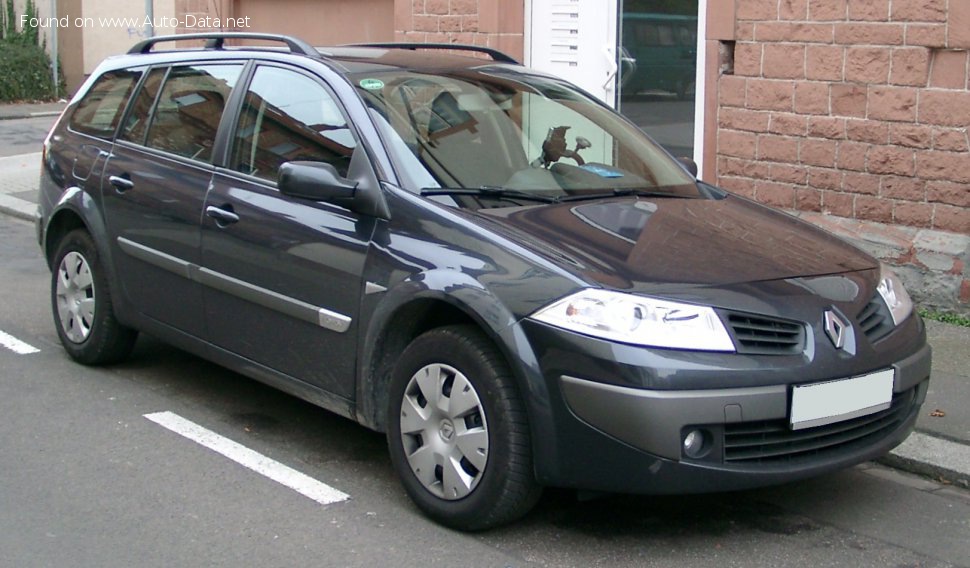
The Renault Megane II Grandtour (Phase II, 2006) 1.9 dCi (130 Hp) FAP was a key model in Renault’s lineup during the mid-2000s, aimed squarely at the European C-segment market. This variant, a station wagon (estate car) based on the second-generation Megane, offered a compelling combination of practicality, fuel economy, and a relatively sporty driving experience. While not officially sold in the United States, the Megane II Grandtour was a popular choice for families and businesses across Europe, competing with vehicles like the Ford Focus Estate, Volkswagen Golf Variant, and Peugeot 307 SW. The “Phase II” designation refers to a significant facelift introduced in 2006, bringing styling updates, improved interior materials, and enhanced equipment levels. The 1.9 dCi engine, coupled with a Diesel Particulate Filter (FAP), represented Renault’s commitment to cleaner diesel technology and efficient performance.
Renault Megane II Grandtour: A Detailed Overview
Origins and Market Positioning
The Renault Megane II, launched in 2003, was designed to elevate Renault’s presence in the competitive compact car segment. The Grandtour variant, introduced shortly after the hatchback, expanded the Megane’s appeal by offering increased cargo capacity and versatility. In Europe, station wagons traditionally held a larger market share than in the US, and the Megane II Grandtour was positioned as a practical and stylish alternative to more conventional saloons (sedans). The Phase II update in 2006 addressed some criticisms of the original model, particularly regarding interior quality and perceived value. The 1.9 dCi engine was a mainstay of the Megane II range, known for its strong torque output and excellent fuel economy, making it a popular choice for high-mileage drivers.
Engine & Performance
The heart of the Megane II Grandtour 1.9 dCi is a 1.9-liter, four-cylinder diesel engine producing 130 horsepower (Hp) and approximately 236 lb-ft of torque. This engine utilizes common-rail direct injection and a variable geometry turbocharger to optimize performance and efficiency. The turbocharger is crucial for delivering strong low-end torque, making the car responsive in everyday driving situations. The engine is typically paired with a six-speed manual transmission, although a Proactive automatic transmission was also available as an option. The six-speed gearbox allows for efficient cruising at highway speeds while keeping engine noise and fuel consumption to a minimum.
Performance figures for the 1.9 dCi Grandtour are respectable, with a 0-62 mph (0-100 km/h) time of around 9.5 seconds and a top speed of approximately 127 mph (205 km/h). However, the real strength of this engine lies in its mid-range acceleration and fuel efficiency. Owners routinely reported fuel economy figures exceeding 50 mpg (around 4.7 liters per 100km) on the combined cycle, making it an economical choice for long-distance travel. The inclusion of a Diesel Particulate Filter (FAP) was a significant feature, designed to trap soot particles and reduce harmful emissions, aligning with increasingly stringent European emission standards. The FAP system required periodic regeneration, typically managed automatically by the engine control unit, but occasionally requiring a forced regeneration cycle under specific driving conditions.
Design & Features
The Megane II Grandtour Phase II boasts a distinctive exterior design characterized by its flowing lines and sculpted bodywork. The Phase II facelift brought subtle but noticeable changes, including a revised front grille, redesigned headlights, and a new front bumper. The station wagon body style provides a generous cargo area, with approximately 1,600 liters (56.5 cubic feet) of space available with the rear seats folded down. This makes the Grandtour exceptionally practical for families, outdoor enthusiasts, or anyone needing to transport large items.
Inside, the Phase II models benefited from improved interior materials and a more refined dashboard layout. Standard features typically included air conditioning, power windows, central locking, and an audio system. Higher trim levels offered features such as automatic climate control, alloy wheels, rear parking sensors, and a trip computer. Safety features were also a priority, with standard equipment including ABS brakes, electronic brakeforce distribution (EBD), and front airbags. Optional safety features included side airbags and stability control. The interior design, while functional, was not particularly groundbreaking, but it offered a comfortable and user-friendly environment. The focus was on providing a practical and well-equipped vehicle at a competitive price point.
Technical Specifications: Renault Megane II Grandtour 1.9 dCi (2006)
| Engine Type | 1.9-liter Inline-4 Diesel |
| Displacement | 1,870 cc (114 cubic inches) |
| Maximum Power | 130 Hp (96 kW) @ 4,000 rpm |
| Maximum Torque | 236 lb-ft (320 Nm) @ 2,000 rpm |
| Fuel System | Common-Rail Direct Injection |
| Turbocharger | Variable Geometry Turbocharger |
| Emission Control | Diesel Particulate Filter (FAP) |
| Transmission | 6-Speed Manual (standard), Proactive Automatic (optional) |
| Drivetrain | Front-Wheel Drive |
| 0-62 mph (0-100 km/h) | Approximately 9.5 seconds |
| Top Speed | Approximately 127 mph (205 km/h) |
| Fuel Economy (Combined) | Exceeding 50 mpg (around 4.7 liters/100km) |
| Cargo Capacity (Rear Seats Up) | Approximately 410 liters (14.5 cubic feet) |
| Cargo Capacity (Rear Seats Down) | Approximately 1,600 liters (56.5 cubic feet) |
| Weight (Curb) | Approximately 1,450 kg (3,197 lbs) |
The Renault Megane II Grandtour 1.9 dCi (2006) represents a well-rounded and practical vehicle that was highly regarded in the European market. Its combination of fuel efficiency, spaciousness, and relatively sporty handling made it a popular choice for a wide range of buyers. While not available in the US, it exemplifies the European preference for versatile and economical station wagons, and showcases Renault’s engineering capabilities during the mid-2000s. The Phase II updates further refined the model, addressing earlier criticisms and enhancing its overall appeal.