The Renault Megane III Coupe (Phase II) 1.6 16V (110 horsepower) represents a significant offering within the European compact car market, a segment fiercely contested by manufacturers like Volkswagen, Ford, and Peugeot. While never officially imported to North America, the Megane III Coupe, especially the Phase II refresh introduced in 2012, showcases Renault’s design evolution and engineering focus on providing a stylish, practical, and relatively fuel-efficient vehicle. It occupied a space between the more utilitarian hatchback versions of the Megane and the larger, more premium offerings from other European brands. This coupe variant aimed to appeal to buyers seeking a sportier aesthetic without sacrificing the everyday usability expected of a compact car.
Renault Megane III Coupe: A European Perspective
The Renault Megane III, launched in 2008, was a crucial model for the French automaker, intended to revitalize its image and compete effectively in the crowded C-segment. The Coupe version, introduced later, further broadened the Megane’s appeal by targeting a more style-conscious demographic. The Phase II update, arriving in 2012, brought with it revised styling, enhanced interior materials, and improvements to the car’s technology and efficiency. In Europe, where fuel costs are typically higher and roads are narrower than in North America, vehicles like the Megane III Coupe are highly valued for their balance of performance, economy, and maneuverability. It served as a popular choice for young professionals, small families, and anyone seeking a well-rounded and attractive daily driver. The Megane III competed directly with models like the Volkswagen Scirocco, Peugeot RCZ, and Ford Focus Coupe, each offering a slightly different take on the sporty coupe formula.
Engine & Performance
The 1.6 16V engine powering the Megane III Coupe Phase II is a naturally aspirated, four-cylinder unit producing 110 horsepower (82 kW) and approximately 118 lb-ft of torque. While not a powerhouse, this engine provides adequate performance for everyday driving, particularly when paired with the car’s relatively lightweight construction. The engine is known for its reliability and reasonable fuel economy, a key consideration for European buyers. Renault utilized variable valve timing to optimize both power delivery and fuel efficiency. The engine typically came mated to a five-speed manual transmission, although a four-speed automatic transmission was also available as an option. The 0-62 mph (0-100 km/h) acceleration time is around 10.5 seconds, and the top speed is approximately 116 mph (187 km/h). The focus wasn’t on outright speed, but rather on providing a smooth and responsive driving experience. The suspension setup, typically a MacPherson strut front and multi-link rear, aimed to balance comfort and handling, making the Megane III Coupe a pleasant car to drive on both city streets and winding country roads. The Phase II update included minor refinements to the engine management system, further improving fuel efficiency and reducing emissions.
Design & Features
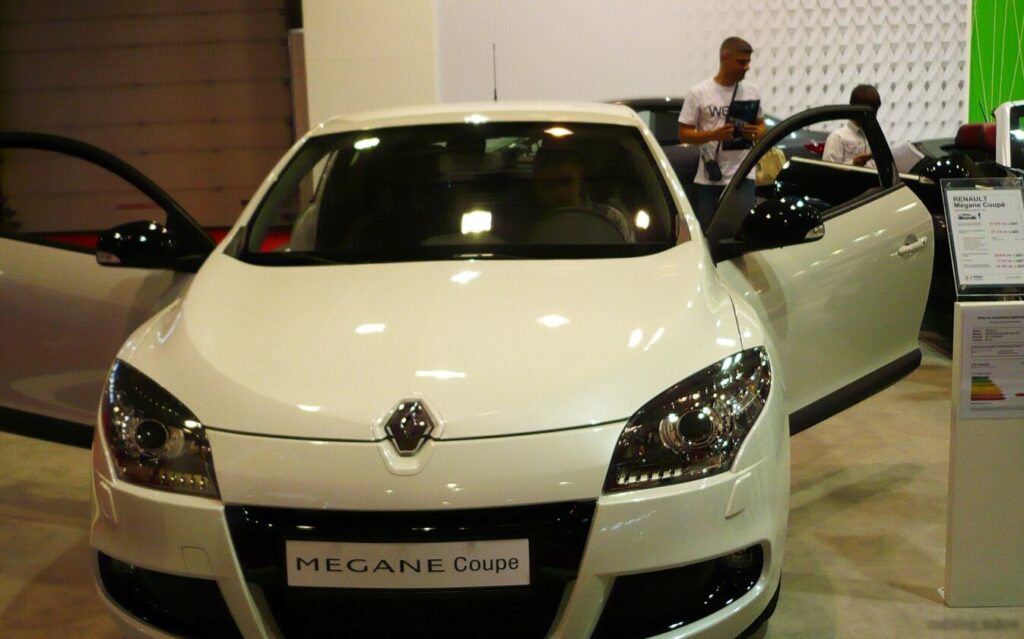
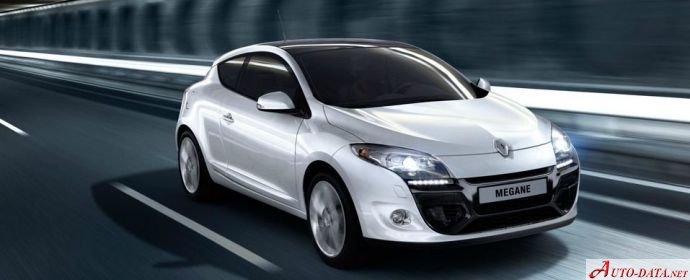
The Megane III Coupe Phase II boasts a distinctive and modern design. The exterior styling is characterized by Renault’s signature flowing lines, a sculpted hood, and a prominent front grille. The Phase II refresh brought with it a revised front fascia, new headlights with LED daytime running lights, and a redesigned rear bumper. These changes gave the car a more sophisticated and contemporary appearance. The coupe body style, with its sloping roofline and frameless doors, adds a touch of sportiness and elegance. Inside, the Megane III Coupe offers a comfortable and well-equipped cabin. The Phase II update saw improvements to the interior materials, with higher-quality plastics and more refined trim. Standard features typically included air conditioning, power windows, central locking, and a basic audio system. Higher trim levels offered features such as automatic climate control, a navigation system, Bluetooth connectivity, and a panoramic sunroof. Safety features were also a priority, with the Megane III Coupe equipped with ABS brakes, electronic stability control, and multiple airbags. The car’s interior layout is driver-focused, with intuitive controls and a comfortable driving position. The rear seats, while adequate for adults on shorter journeys, are somewhat compromised by the coupe body style. The trunk offers a reasonable amount of space for a car in this class, making it practical for everyday use.
Technical Specifications
| Engine Type | 1.6L Inline-4 Cylinder, Naturally Aspirated |
| Displacement | 1,598 cc (97.5 cu in) |
| Horsepower | 110 hp (82 kW) @ 6,000 rpm |
| Torque | 118 lb-ft (160 Nm) @ 4,250 rpm |
| Fuel System | Multi-Point Fuel Injection |
| Transmission | 5-Speed Manual (Standard), 4-Speed Automatic (Optional) |
| Drivetrain | Front-Wheel Drive |
| Brakes (Front/Rear) | Ventilated Discs / Discs |
| Suspension (Front/Rear) | MacPherson Strut / Multi-Link |
| Curb Weight | Approximately 2,690 lbs (1,220 kg) |
| 0-62 mph (0-100 km/h) | 10.5 seconds (approx.) |
| Top Speed | 116 mph (187 km/h) (approx.) |
| Fuel Economy (Combined) | 38.2 mpg (6.2 L/100km) (approx.) – Varies by transmission and driving conditions |
| CO2 Emissions | 145 g/km (approx.) |
| Body Style | 2-Door Coupe |
| Length | 433 cm (170.5 in) |
| Width | 181 cm (71.3 in) |
| Height | 140 cm (55.1 in) |
The Renault Megane III Coupe Phase II 1.6 16V, while not a performance icon, represents a well-rounded and appealing package for European drivers. Its blend of stylish design, practical features, and efficient engine makes it a compelling choice in the competitive compact car segment. Though never available in North America, it provides a valuable insight into the preferences and priorities of European car buyers, highlighting the importance of fuel economy, maneuverability, and a sophisticated driving experience.