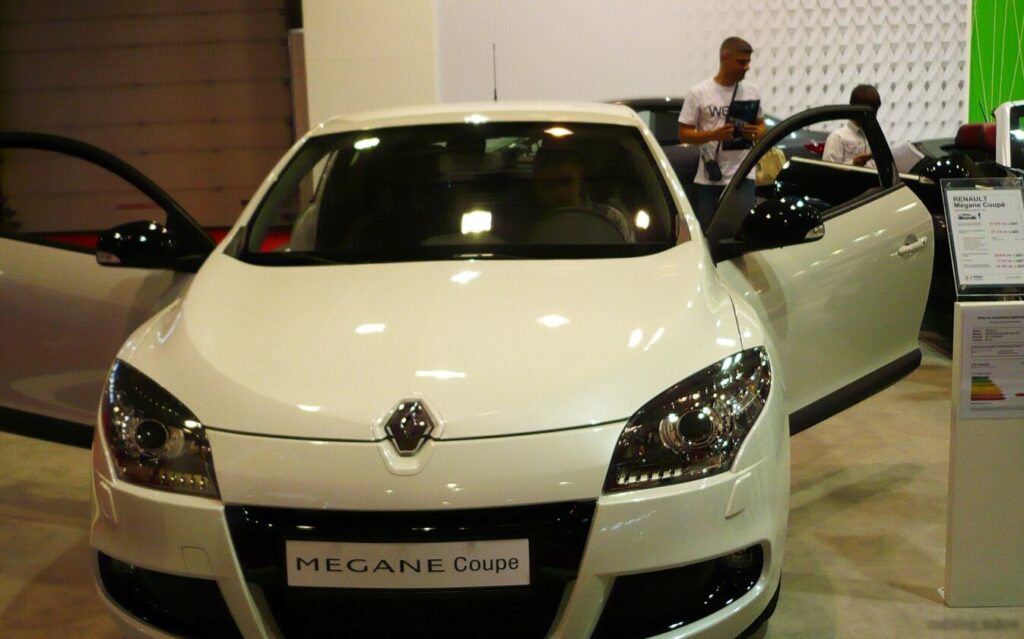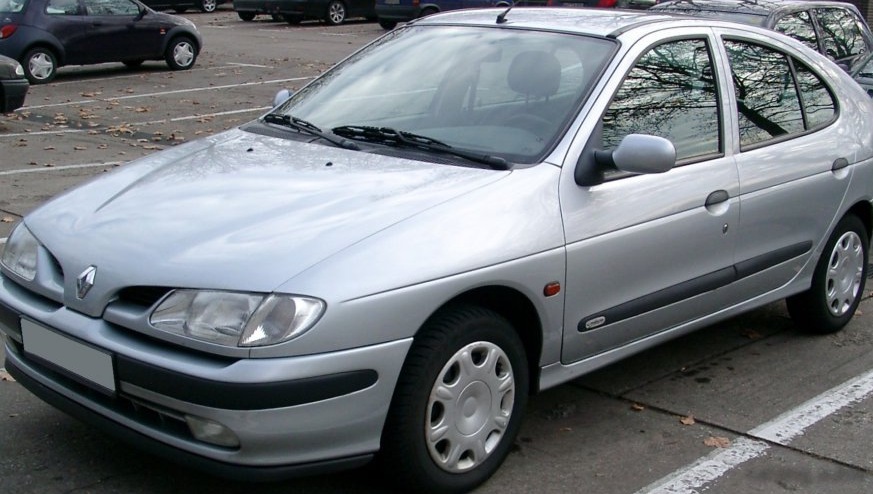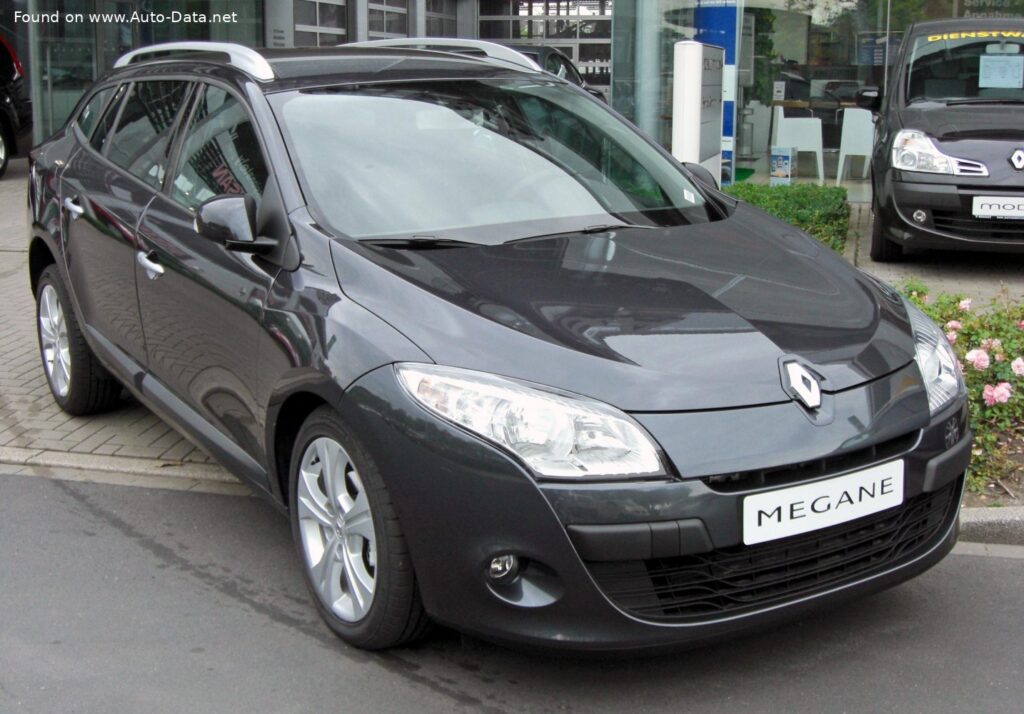
The Renault Megane III Grandtour 1.9 dCi (130 Hp) FAP was a key model in Renault’s European lineup, representing a significant entry in the competitive C-segment for compact family vehicles. Introduced in 2009 as part of the third-generation Megane series, the Grandtour specifically targeted buyers seeking a blend of practicality, cargo space, and fuel efficiency. Production continued until 2012, and this version, equipped with a 1.9-liter dCi diesel engine, played a crucial role in Renault’s strategy to offer an economical and versatile vehicle to families and professionals throughout Europe. The Megane III Grandtour was never officially sold in the United States, reflecting differing market preferences and emissions regulations. However, understanding its position in the European market provides insight into the evolving demands for compact, efficient vehicles.
Renault Megane III Grandtour: A European Family Vehicle
The Renault Megane has a long history, dating back to 1995, initially created to replace the Renault 19. The third generation, launched in 2008, represented a substantial leap forward in design, technology, and overall refinement. The Grandtour body style, essentially a station wagon or estate car as it’s known in Europe, was a direct response to the continued demand for vehicles offering increased cargo capacity without sacrificing the driving dynamics of a smaller car. The Grandtour differentiated itself from the hatchback version by extending the roofline and increasing the rear cargo area, making it a popular choice for families and those requiring regular hauling capabilities. The 1.9 dCi engine variant was particularly popular due to its balance of power and fuel economy, a critical factor for European drivers facing higher fuel costs and increasingly stringent environmental regulations.
Engine & Performance
The heart of the Megane III Grandtour 1.9 dCi was Renault’s 1.9-liter four-cylinder diesel engine. This engine, designated as the K9K, produced 130 horsepower (Hp) and approximately 236 lb-ft of torque. It was a common-rail direct injection diesel, meaning fuel was delivered directly into the cylinders at extremely high pressure, optimizing combustion and maximizing efficiency. The engine featured a variable geometry turbocharger (VGT) which helped to broaden the torque curve, providing strong acceleration across a wide range of engine speeds. This was particularly beneficial for everyday driving and overtaking maneuvers. The FAP (Filtre à Particules) – particulate filter – was a crucial component, designed to trap soot particles from the exhaust, significantly reducing emissions and ensuring compliance with Euro 5 standards. The engine was typically paired with a six-speed manual transmission, although a six-speed automatic transmission was also available as an option. Performance figures were respectable for a diesel-powered family car, with a 0-62 mph (0-100 km/h) time of around 9.5 seconds and a top speed of approximately 127 mph (205 km/h). Fuel economy was a major selling point, with combined cycle figures averaging around 53-57 mpg (5.3-5.0 liters per 100km), making it an exceptionally economical vehicle to operate.
Design & Features
The Renault Megane III Grandtour boasted a contemporary design for its time, characterized by flowing lines and a relatively low-slung profile. The Grandtour variant extended the roofline significantly, creating a more elongated and practical silhouette compared to the hatchback. The front end featured Renault’s signature large headlights and a prominent grille. Inside, the cabin was designed with practicality and comfort in mind. The dashboard layout was generally ergonomic, with controls logically positioned. Material quality was typical for the C-segment, with a mix of hard and soft-touch plastics. The Grandtour’s key feature was, of course, its increased cargo capacity. With the rear seats up, the luggage compartment offered around 18.7 cubic feet (530 liters) of space, expanding to a substantial 58.1 cubic feet (1640 liters) with the rear seats folded down. This made it capable of handling large items such as luggage, groceries, or sports equipment. Standard features typically included air conditioning, power windows, central locking, and an audio system. Higher trim levels offered features such as automatic climate control, navigation system, parking sensors, and leather upholstery. Safety features were also a priority, with standard equipment including ABS brakes, electronic stability control (ESC), and multiple airbags. The Megane III Grandtour also received a five-star safety rating from Euro NCAP, demonstrating its robust crash protection capabilities.
Technical Specifications
| Engine Type | 1.9-liter Inline-4 Diesel |
| Engine Code | K9K |
| Displacement | 1,870 cc (114.0 cu in) |
| Maximum Power | 130 Hp (96 kW) @ 4,000 rpm |
| Maximum Torque | 236 lb-ft (320 Nm) @ 1,750 rpm |
| Fuel System | Common Rail Direct Injection |
| Turbocharger | Variable Geometry Turbocharger (VGT) |
| Emission Standard | Euro 5 |
| Transmission | 6-Speed Manual or 6-Speed Automatic |
| Drive Wheels | Front-Wheel Drive |
| 0-62 mph (0-100 km/h) | 9.5 seconds (approx.) |
| Top Speed | 127 mph (205 km/h) (approx.) |
| Combined Fuel Economy | 53-57 mpg (5.0-5.3 L/100km) |
| CO2 Emissions | 135-140 g/km (approx.) |
| Body Style | 5-Door Station Wagon (Estate) |
| Luggage Capacity (Rear Seats Up) | 18.7 cu ft (530 liters) |
| Luggage Capacity (Rear Seats Down) | 58.1 cu ft (1640 liters) |
| Curb Weight | 3,241 lbs (1,470 kg) (approx.) |
The Renault Megane III Grandtour 1.9 dCi (130 Hp) FAP, while not available in the US market, remains a significant example of European automotive engineering focused on efficiency, practicality, and meeting stringent environmental standards. Its blend of a refined diesel engine, spacious interior, and attractive design made it a popular choice for families and professionals seeking a versatile and economical vehicle.