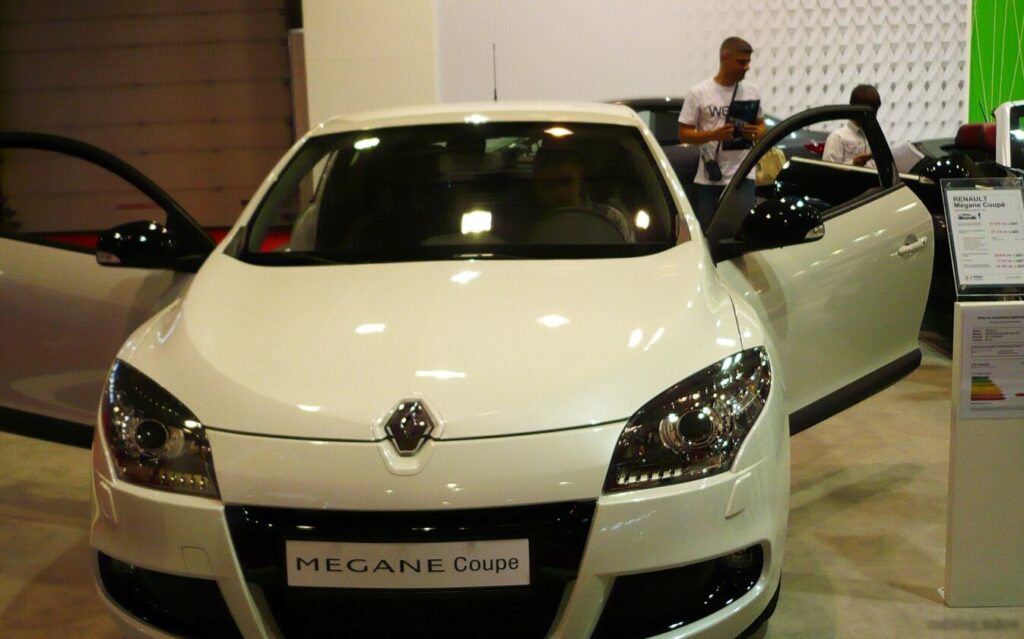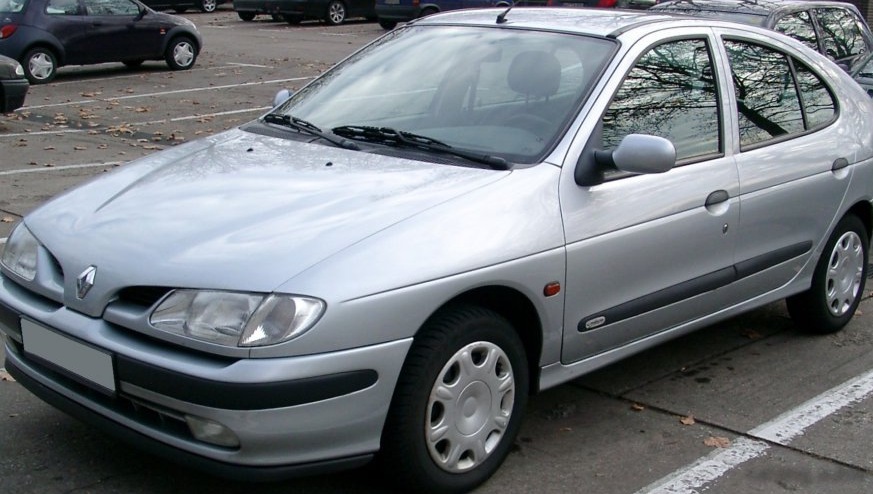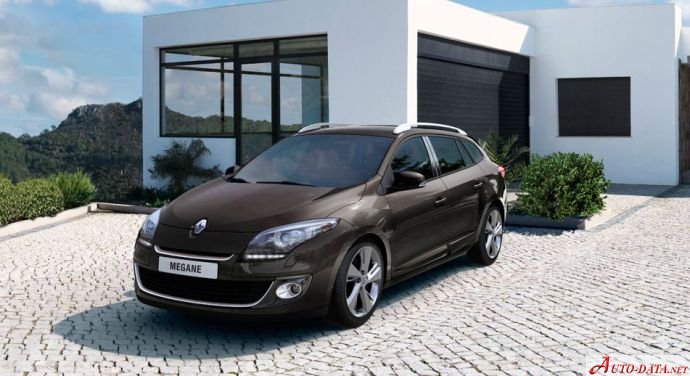
The Renault Megane III Grandtour GT 2.0 TCe (190 Hp) Start&Stop, produced between 2012 and 2013, represents a performance-oriented variant of Renault’s popular compact estate car. Positioned within the C-segment, the Megane Grandtour competed with vehicles like the Ford Focus Estate, Volkswagen Golf Variant, and Peugeot 308 SW. This particular iteration, the Phase II update, focused on refining the existing design and improving efficiency through the inclusion of the Start&Stop system. While the Megane was a mainstay in European markets, it wasn’t directly sold in the United States. However, understanding its specifications provides insight into the engineering trends and performance benchmarks of European compact estates during this period.
Renault Megane III Grandtour GT: A Detailed Overview
The Megane III, launched in 2008, was a significant model for Renault, aiming to elevate the brand’s image and offer a more sophisticated driving experience. The Grandtour, the estate version, provided increased practicality without sacrificing the stylish design of the hatchback. The Phase II facelift, introduced in 2012, brought subtle cosmetic changes, improved interior quality, and crucially, the introduction of more efficient engine options, including the 2.0 TCe with Start&Stop technology. The GT trim level signified a focus on sporty handling and performance, distinguishing it from the more comfort-oriented standard models.
Engine & Performance
At the heart of the Megane III Grandtour GT 2.0 TCe lies a 1998 cc (121.93 cu. in.) inline-four cylinder gasoline engine. This engine, designated F4R 872, produces 190 horsepower (Hp) at 5500 rpm and 300 Newton-meters (221.27 lb.-ft.) of torque at 2000 rpm. The turbocharger and intercooler contribute to both increased power output and improved throttle response. Power per liter is rated at 95.1 Hp/l, indicating a relatively high specific output for a naturally aspirated engine of this displacement. The engine is transversely mounted at the front of the vehicle.
Performance figures are respectable for its class. Acceleration from 0 to 100 km/h (0-62 mph) takes 8 seconds, while the 0-60 mph sprint is achieved in 7.6 seconds. The car boasts a maximum speed of 230 km/h (142.92 mph). The inclusion of the Start&Stop system aimed to improve fuel economy in urban driving conditions. Combined fuel consumption is rated at 7.0 liters per 100 kilometers (33.6 US mpg or 40.4 UK mpg), with CO2 emissions of 162 g/km, meeting Euro 5 emission standards. The engine is paired with a 6-speed manual transmission, delivering power to the front wheels.
Design & Features
The Renault Megane III Grandtour is a five-door station wagon (estate) offering seating for five passengers. Its exterior design features a flowing roofline and a relatively long wheelbase of 2703 mm (106.42 in.). The overall length is 4559 mm (179.49 in), and width is 1766 mm (69.53 in). The GT trim level typically included subtle styling enhancements such as unique alloy wheels (8J x 18 with 225/40 R18 92Y tires), a more aggressive front bumper, and potentially sportier interior trim.
The Grandtour’s primary appeal lies in its practicality. The trunk (boot) space offers 524 liters (18.5 cu. ft.) with the rear seats up, expanding to a substantial 1595 liters (56.33 cu. ft.) when the rear seats are folded down. This makes it a versatile vehicle for families or those requiring significant cargo capacity. Safety features, typical for a vehicle of this era, included ABS (Anti-lock braking system), ventilated front discs, and disc brakes on the rear axle. Electric power steering provided a lighter and more responsive steering feel. The vehicle’s kerb weight is 1382 kg (3046.79 lbs), with a maximum permissible weight of 1909 kg (4208.62 lbs).
Technical Specifications
| Brand | Renault |
| Model | Megane |
| Generation | Megane III Grandtour (Phase II, 2012) |
| Type (Engine) | GT 2.0 TCe (190 Hp) Start&Stop |
| Start of production | 2012 |
| End of production | 2013 |
| Powertrain Architecture | Internal Combustion engine |
| Body type | Station wagon (estate) |
| Seats | 5 |
| Doors | 5 |
| Fuel consumption (urban) | 9.5 l/100 km (24.8 US mpg, 29.7 UK mpg, 10.5 km/l) |
| Fuel consumption (extra urban) | 5.6 l/100 km (42 US mpg, 50.4 UK mpg, 17.9 km/l) |
| Fuel consumption (combined) | 7 l/100 km (33.6 US mpg, 40.4 UK mpg, 14.3 km/l) |
| CO2 emissions | 162 g/km |
| Fuel Type | Petrol (Gasoline) |
| Acceleration 0 – 100 km/h | 8 sec |
| Acceleration 0 – 62 mph | 8 sec |
| Acceleration 0 – 60 mph | 7.6 sec |
| Maximum speed | 230 km/h (142.92 mph) |
| Emission standard | Euro 5 |
| Weight-to-power ratio | 7.3 kg/Hp, 137.5 Hp/tonne |
| Weight-to-torque ratio | 4.6 kg/Nm, 217.1 Nm/tonne |
| Power | 190 Hp @ 5500 rpm |
| Torque | 300 Nm @ 2000 rpm (221.27 lb.-ft. @ 2000 rpm) |
| Engine layout | Front, Transverse |
| Engine Model/Code | F4R 872 |
| Engine displacement | 1998 cm3 (121.93 cu. in.) |
| Number of cylinders | 4 |
| Engine configuration | Inline |
| Cylinder Bore | 82.7 mm (3.26 in.) |
| Piston Stroke | 93 mm (3.66 in.) |
| Compression ratio | 9.3:1 |
| Number of valves per cylinder | 4 |
| Fuel injection system | Multi-port manifold injection |
| Engine aspiration | Turbocharger, Intercooler |
| Engine oil capacity | 5.4 l (5.71 US qt | 4.75 UK qt) |
| Coolant | 6.5 l (6.87 US qt | 5.72 UK qt) |
| Kerb Weight | 1382 kg (3046.79 lbs.) |
| Max. weight | 1909 kg (4208.62 lbs.) |
| Max load | 527 kg (1161.84 lbs.) |
| Trunk (boot) space – minimum | 524 l (18.5 cu. ft.) |
| Trunk (boot) space – maximum | 1595 l (56.33 cu. ft.) |
| Fuel tank capacity | 60 l (15.85 US gal | 13.2 UK gal) |
| Max. roof load | 80 kg (176.37 lbs.) |
| Permitted trailer load with brakes (12%) | 1500 kg (3306.93 lbs.) |
| Permitted trailer load without brakes | 725 kg (1598.35 lbs.) |
| Permitted towbar download | 75 kg (165.35 lbs.) |
| Length | 4559 mm (179.49 in.) |
| Width | 1766 mm (69.53 in.) |
| Height | 1461 mm (57.52 in.) |
| Wheelbase | 2703 mm (106.42 in.) |
| Front track | 1546 mm (60.87 in.) |
| Rear (Back) track | 1547 mm (60.91 in.) |
| Minimum turning circle (turning diameter) | 11.05 m (36.25 ft.) |
| Drive wheel | Front wheel drive |
| Number of gears and type of gearbox | 6 gears, manual transmission |