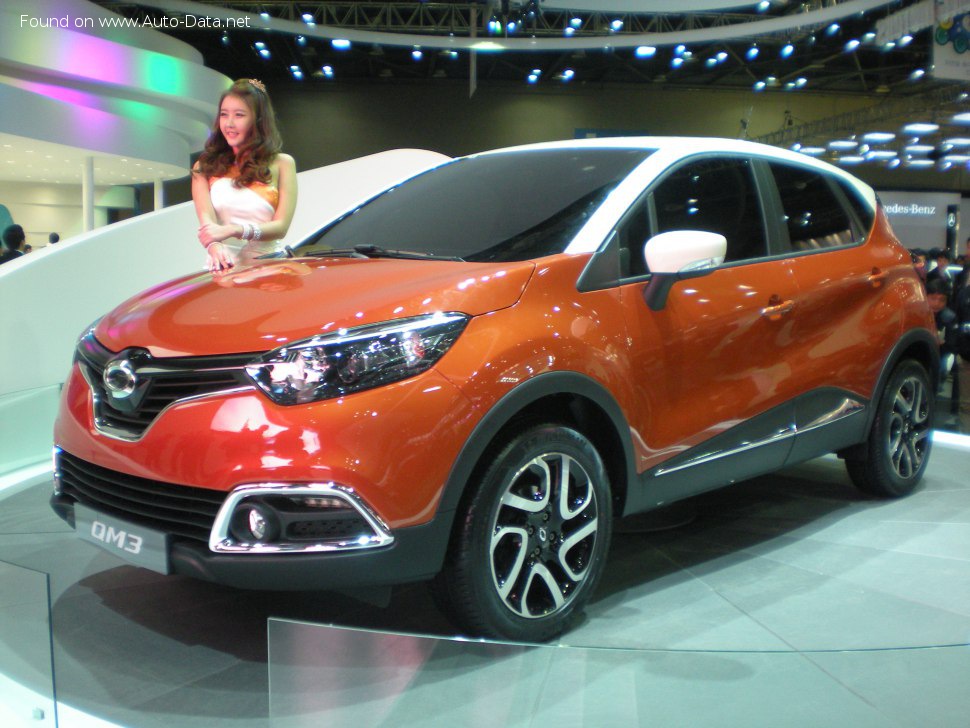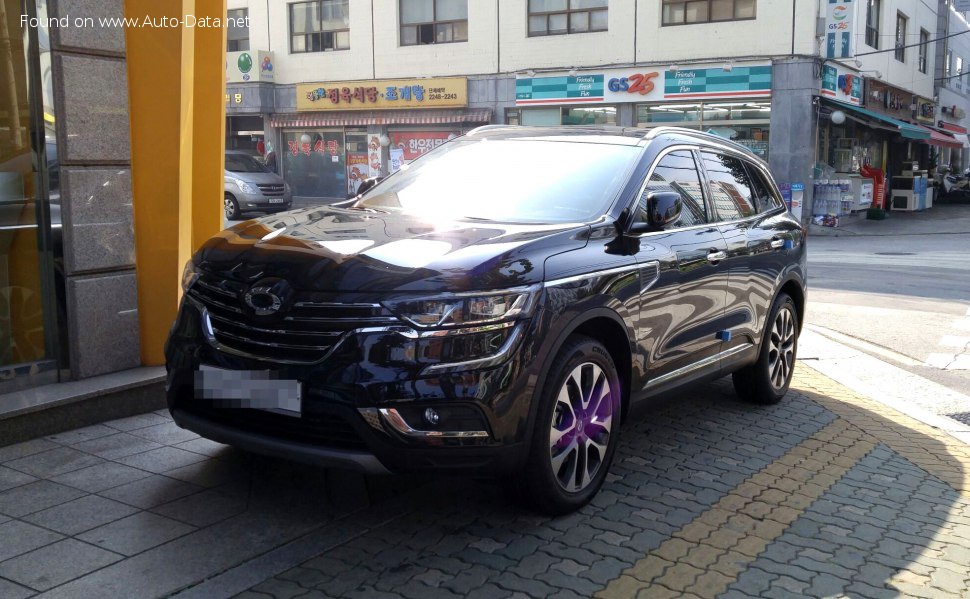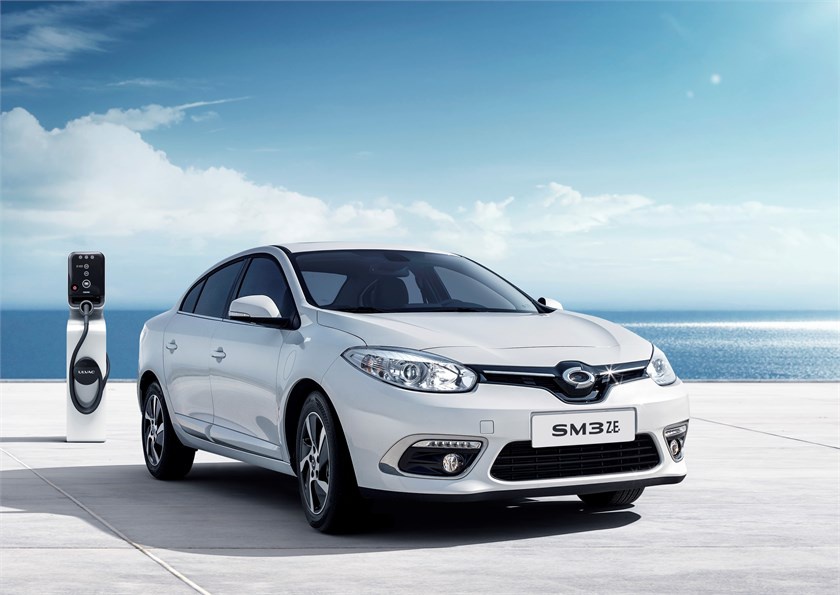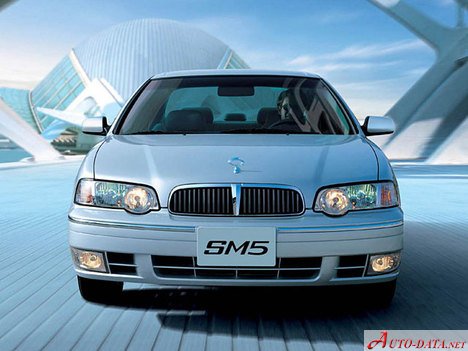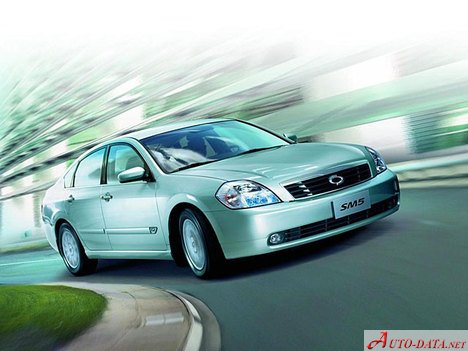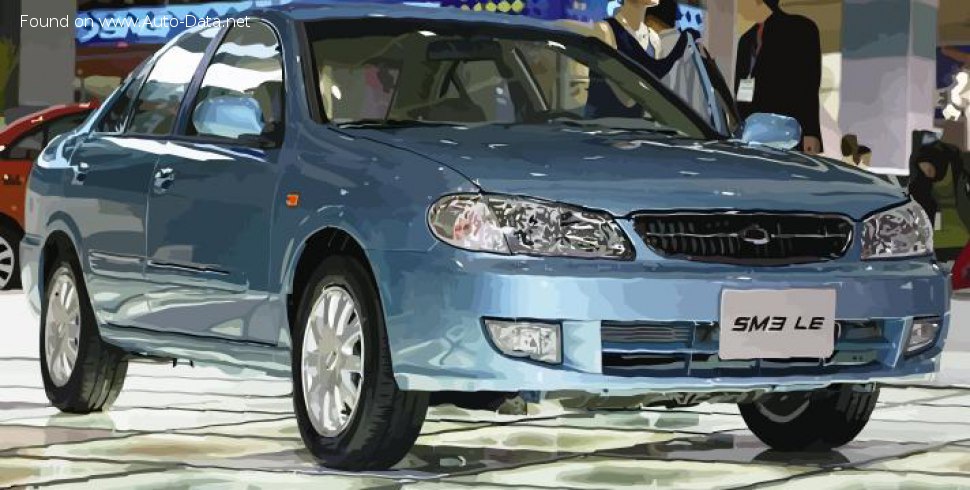
The Renault Samsung SM3 I (N17) represents a significant chapter in the history of the South Korean automotive market, emerging as a compact sedan designed to offer reliability, efficiency, and comfort for the discerning consumer. Produced between 2002 and 2006, this first-generation SM3 was a direct result of the strategic alliance between the French automaker Renault and Samsung Motors, a partnership that aimed to leverage global engineering expertise with local manufacturing capabilities. Positioned as a practical and economical family vehicle, the SM3 I (N17) carved out its niche in a highly competitive segment, offering a compelling blend of features and performance that resonated with buyers in its primary markets, predominantly South Korea and other parts of Asia. The specific variant under review, the 1.5 i 16V with 100 horsepower, was a popular choice, embodying the SM3’s core values of dependable daily transportation without excessive frills.
Powertrain and Performance of the Renault Samsung SM3 I (N17)
At the heart of the Renault Samsung SM3 I (N17) 1.5 i 16V lies a meticulously engineered powertrain designed for balanced performance and fuel economy. This particular model is equipped with a 1.5-liter (1497 cm3 or 91.35 cu. in.) naturally aspirated inline-four engine, designated by the code QG15DE. This engine configuration, featuring four cylinders and four valves per cylinder (a total of 16 valves), was a common and well-proven design for its era, known for its robustness and straightforward maintenance. The engine employs a multi-port manifold injection system, a reliable method for precise fuel delivery that contributes to both efficiency and consistent power output.
The engine delivers a respectable 100 horsepower at 5600 rpm, which for a compact sedan of its time, provided adequate power for urban commuting and highway cruising. Torque output stands at 100.31 lb.-ft. (136 Nm) peaking at 4400 rpm. This torque curve ensures a responsive feel in city driving, allowing for confident acceleration from a standstill and sufficient pulling power for daily tasks. The engine’s layout is front-mounted and transverse, which is typical for front-wheel-drive vehicles, optimizing packaging efficiency and contributing to a spacious cabin. Power is channeled to the front wheels via a 5-speed manual transmission, offering drivers a direct and engaging connection to the vehicle’s mechanics, while also maximizing fuel efficiency compared to an automatic gearbox of the period. The manual transmission was a practical choice, emphasizing the vehicle’s economical nature.
In terms of outright performance, the SM3 I (N17) 1.5 i 16V achieves a maximum speed of 114.33 mph (184 km/h). While not a sports car, this top speed is more than sufficient for legal highway speeds and underscores its capability as a competent long-distance cruiser. The vehicle’s weight-to-power ratio is 11.6 kg/Hp, or approximately 86.2 Hp per tonne, indicating a sensible balance for its intended use. The weight-to-torque ratio, at 8.5 kg/Nm or 117.2 Nm per tonne, further supports its ability to accelerate smoothly and maintain momentum. The engine’s compression ratio of 9.5:1 is typical for a naturally aspirated gasoline engine, balancing power output with fuel efficiency and emissions for its segment. The engine oil capacity is 3.06 US quarts (2.9 liters), a standard volume for a 1.5-liter engine, facilitating regular maintenance.
Design, Features, and Ergonomics of the Renault Samsung SM3 I (N17)
The design of the Renault Samsung SM3 I (N17) is characterized by its understated elegance and functional practicality, reflecting the automotive styling trends of the early 2000s. As a 4-door sedan with seating for five occupants, it was conceived to cater to the needs of families and individuals seeking a reliable and comfortable daily driver. Its exterior dimensions are well-proportioned: a length of 177.56 inches (4510 mm), a width of 67.13 inches (1705 mm), and a height of 56.69 inches (1440 mm). These dimensions contribute to a compact footprint that is easy to maneuver in urban environments, yet substantial enough to provide a reassuring presence on the road. The wheelbase measures 99.8 inches (2535 mm), a critical dimension that largely dictates interior space and ride quality, offering a comfortable and stable ride for its class.
Inside, the SM3 I (N17) prioritizes ergonomics and utility. The cabin is designed to comfortably accommodate five passengers, with thoughtful consideration given to material quality and layout for a car in its segment. Practicality is further enhanced by a generous trunk (boot) space of 16.24 cu. ft. (460 liters), allowing for ample luggage or grocery storage, a key attribute for a family-oriented sedan. This substantial cargo capacity makes the SM3 a versatile companion for various daily activities and longer trips.
The vehicle’s chassis and suspension systems are engineered to provide a comfortable ride and predictable handling. The front suspension utilizes a Spring Strut design, a common and effective setup that balances ride comfort with responsive steering. The rear suspension features coil springs, contributing to the overall stability and passenger comfort, particularly over varied road surfaces. Braking performance is handled by ventilated discs at the front, which offer superior heat dissipation and consistent stopping power, complemented by disc brakes at the rear. This combination provides reliable and confident deceleration. Steering is managed by a rack and pinion system, known for its direct feel and responsiveness, making the SM3 easy to pilot in diverse driving conditions.
The vehicle rides on 175/70 R14 tires, mounted on 14-inch wheel rims. This tire and wheel combination is practical, offering a good balance between ride comfort, grip, and replacement cost, aligning with the SM3’s economical positioning. The fuel tank capacity is 13.21 US gallons (50 liters), providing a reasonable driving range, minimizing frequent stops at the gas station. The kerb weight of the vehicle stands at 2557.36 lbs (1160 kg), which is relatively light for a sedan of its size, contributing to its agile feel and fuel efficiency. Overall, the Renault Samsung SM3 I (N17) was a well-rounded package for its time, designed to deliver a dependable, comfortable, and economical ownership experience in its target markets.
Technical Specifications
| Brand | Renault Samsung |
| Model | SM3 |
| Generation | SM3 I (N17) |
| Type (Engine) | 1.5 i 16V (100 Hp) |
| Start of production | 2002 year |
| End of production | 2006 year |
| Powertrain Architecture | Internal Combustion engine |
| Body type | Sedan |
| Seats | 5 |
| Doors | 4 |
| Fuel Type | Petrol (Gasoline) |
| Maximum speed | 114.33 mph (184 km/h) |
| Weight-to-power ratio | 11.6 kg/Hp, 86.2 Hp/tonne |
| Weight-to-torque ratio | 8.5 kg/Nm, 117.2 Nm/tonne |
| Power | 100 Hp @ 5600 rpm |
| Power per liter | 66.8 Hp/l |
| Torque | 100.31 lb.-ft. (136 Nm) @ 4400 rpm |
| Engine layout | Front, Transverse |
| Engine Model/Code | QG15DE |
| Engine displacement | 1.5 l (1497 cm3 / 91.35 cu. in.) |
| Number of cylinders | 4 |
| Engine configuration | Inline |
| Cylinder Bore | 2.9 in. (73.6 mm) |
| Piston Stroke | 3.46 in. (88 mm) |
| Compression ratio | 9.5:1 |
| Number of valves per cylinder | 4 |
| Fuel injection system | Multi-port manifold injection |
| Engine aspiration | Naturally aspirated engine |
| Engine oil capacity | 3.06 US qt (2.9 l) |
| Kerb Weight | 2557.36 lbs (1160 kg) |
| Trunk (boot) space – minimum | 16.24 cu. ft. (460 l) |
| Fuel tank capacity | 13.21 US gal (50 l) |
| Length | 177.56 in. (4510 mm) |
| Width | 67.13 in. (1705 mm) |
| Height | 56.69 in. (1440 mm) |
| Wheelbase | 99.8 in. (2535 mm) |
| Front track | 58.66 in. (1490 mm) |
| Rear (Back) track | 57.87 in. (1470 mm) |
| Drivetrain Architecture | The Internal combustion engine (ICE) drives the front wheels of the vehicle. |
| Drive wheel | Front wheel drive |
| Number of gears and type of gearbox | 5 gears, manual transmission |
| Front suspension | Spring Strut |
| Rear suspension | Coil spring |
| Front brakes | Ventilated discs |
| Rear brakes | Disc |
| Steering type | Steering rack and pinion |
| Tires size | 175/70 R14 |
| Wheel rims size | 14 |