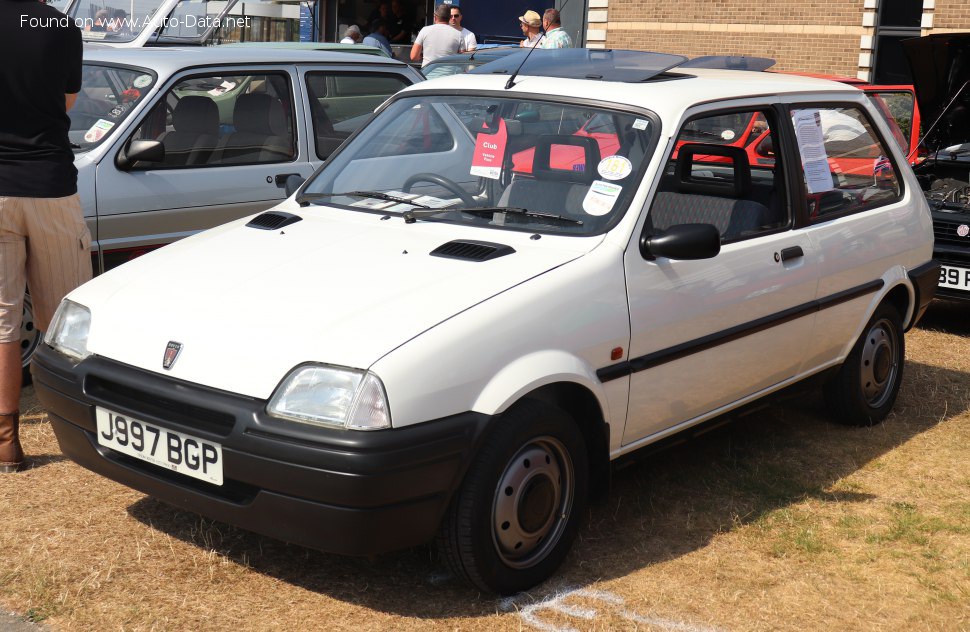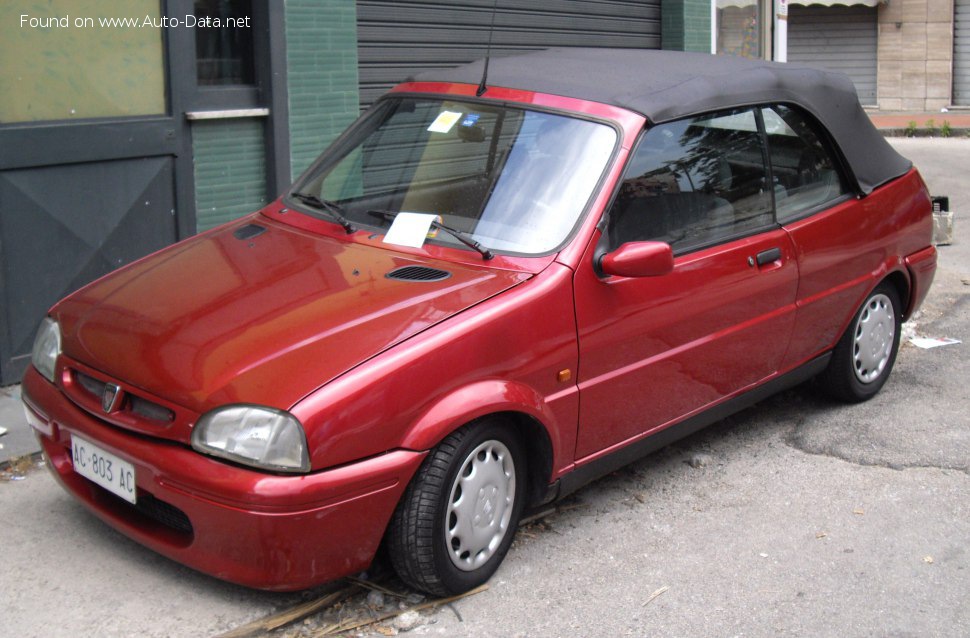
The Rover 100 Cabrio (XP) 111, powered by the 60 horsepower K8 engine, was a compact, affordable convertible produced between 1994 and 2000. It represented the entry-level offering in the Rover 100 Cabriolet range, positioned below the more powerful 1.4 and 1.6-liter variants. Based on the Rover 100/Metro platform (internally designated XP), the Cabriolet was a late addition to the range, intended to capitalize on the growing popularity of small, open-top cars. The 111 model, with its smaller engine, was specifically targeted at buyers prioritizing economy and low running costs over outright performance. It was a product of British Leyland’s (later Rover Group’s) ongoing efforts to modernize and refine its small car offerings, though it retained many core components from earlier designs.
Rover 100 Cabrio 111: Powertrain and Engine Architecture
The heart of the 111 Cabriolet was the Rover K8 engine, a 1.1-liter (1100cc) inline-four cylinder petrol engine. This engine had its roots in the earlier A-Series engine, a long-running design that had been continuously developed since the 1950s. The K8 represented a significant modernization of the A-Series, featuring a more efficient combustion chamber design, improved cooling, and electronic fuel injection. While the K8 was a relatively simple engine, it was known for its durability and ease of maintenance. The 111 variant produced 60 horsepower (44 kW) at 5500 rpm and 73 lb-ft (99 Nm) of torque at 3500 rpm. The engine utilized a single overhead camshaft (SOHC) valvetrain with eight valves. Fuel delivery was managed by a Bosch Mono-Motronic fuel injection system, a single-point injection system that was relatively inexpensive and reliable.
The engine was typically paired with a four-speed automatic transmission, although a five-speed manual gearbox was also available as an option, albeit less commonly selected in the 111 model. The automatic transmission was a conventional hydraulic automatic, offering smooth but not particularly rapid gear changes. The gear ratios were optimized for fuel economy and relaxed cruising rather than spirited acceleration. The transmission was sourced from a variety of suppliers over the production run, including those from Japan.
Engine Code and Variations
The K8 engine was designated with various codes throughout its production life, but the 111 Cabriolet primarily used engines identified by their displacement and output. While specific engine codes aren’t prominently displayed on the vehicle, identifying features relate to the fuel injection system and minor component revisions. The K8 engine, despite its relatively small displacement, was designed to be relatively flexible, allowing for upgrades and modifications, though these were rarely undertaken on the base 111 model.
Driving Characteristics
The Rover 100 Cabrio 111 offered a relaxed and undemanding driving experience. Acceleration was modest, with a 0-60 mph time of around 16-18 seconds. The automatic transmission contributed to this leisurely pace, prioritizing smooth shifts over rapid response. In real-world conditions, the 111 was best suited for urban driving and shorter journeys. The engine lacked the punch of the 1.4 or 1.6-liter versions, making overtaking maneuvers require careful planning. The gear ratios in the automatic transmission were relatively tall, further emphasizing fuel economy over performance. The Cabriolet’s relatively light weight (around 1,800 lbs) helped to mitigate the effects of the low power output, making it feel more nimble than its specifications might suggest. Compared to the manual transmission versions, the automatic offered greater convenience but at the expense of some responsiveness and fuel efficiency.
Equipment & Trim Levels
The Rover 100 Cabrio 111 was generally equipped with a basic level of standard features. Interior upholstery was typically cloth, with a simple dashboard layout. Standard equipment included power steering, central locking, and an AM/FM radio. The Cabriolet’s soft top was manually operated, lacking the convenience of an electric mechanism found on some higher-end convertibles. Optional extras included alloy wheels, upgraded sound systems, and a leather steering wheel. The trim level was generally consistent across the 111 models, with limited opportunities for customization. The interior plastics were durable but lacked the refinement of more expensive vehicles. The focus was on providing a functional and affordable open-top motoring experience.
Chassis & Braking
The Rover 100 Cabriolet utilized a relatively simple chassis design, based on the existing Rover 100/Metro platform. The front suspension featured independent MacPherson struts, while the rear suspension employed a twist-beam axle. This setup provided a comfortable ride, but handling was not particularly sharp. The 111 model typically featured drum brakes on the rear wheels and disc brakes on the front. The braking system was adequate for the vehicle’s performance, but lacked the stopping power of more modern systems. Stabilizer bars were fitted to both the front and rear axles, helping to reduce body roll during cornering. The suspension was tuned for comfort rather than sporty handling, reflecting the car’s intended market position.
Market Reception & Comparison
The Rover 100 Cabrio 111 received mixed reviews from automotive critics. While praised for its affordability and charming styling, it was often criticized for its lack of performance and basic interior. Compared to the 1.4 and 1.6-liter Cabriolet models, the 111 offered significantly less power and refinement. However, it also offered lower running costs and a more accessible price point. Fuel economy was a strong point, with the 111 achieving around 35-40 mpg in mixed driving conditions. Reliability was generally good, although the K8 engine was prone to occasional oil leaks. In the used car market, the 111 Cabriolet remains a relatively affordable option for those seeking a classic British convertible. It represents a unique and characterful alternative to more mainstream small cars.
Technical Specifications
| Body Type | Cabriolet, 2 Doors, 4 Seats |
| Engine Type | Internal Combustion engine, Petrol (Gasoline) |
| Engine Displacement | 1.1 L (1100 cc) |
| Engine Model/Code | K8 |
| Engine Aspiration | Naturally Aspirated |
| Maximum Power | 60 hp (44 kW) @ 5500 rpm |
| Maximum Torque | 73 lb-ft (99 Nm) @ 3500 rpm |
| Fuel System | Bosch Mono-Motronic Single-Point Fuel Injection |
| Valvetrain | SOHC, 8 Valves |
| Transmission | 4-Speed Automatic (Optional 5-Speed Manual) |
| Fuel Tank Capacity | 35 L (9.25 US gal, 7.7 UK gal) |
| Engine Oil Capacity | 4.5 L (4.76 US qt, 3.96 UK qt) |
| Coolant Capacity | 4.5 L (4.76 US qt, 3.96 UK qt) |
| Weight | Approximately 1800 lbs (816 kg) |
Legacy
The Rover 100 Cabrio 111, while not a performance icon, holds a special place in the hearts of many British car enthusiasts. The K8 engine, despite its age, proved to be a durable and reliable powerplant. The automatic transmission, while not particularly sophisticated, provided a comfortable and convenient driving experience. Today, the 111 Cabriolet is a relatively rare sight on the roads, but those that remain are often well-maintained by dedicated owners. The car’s affordability and charming styling continue to appeal to those seeking a classic British convertible. Parts availability can be a challenge, but a thriving network of Rover specialists and online forums provides support for owners. The 111 represents a final chapter in Rover’s long history of producing small, affordable cars, and it remains a testament to British engineering ingenuity.