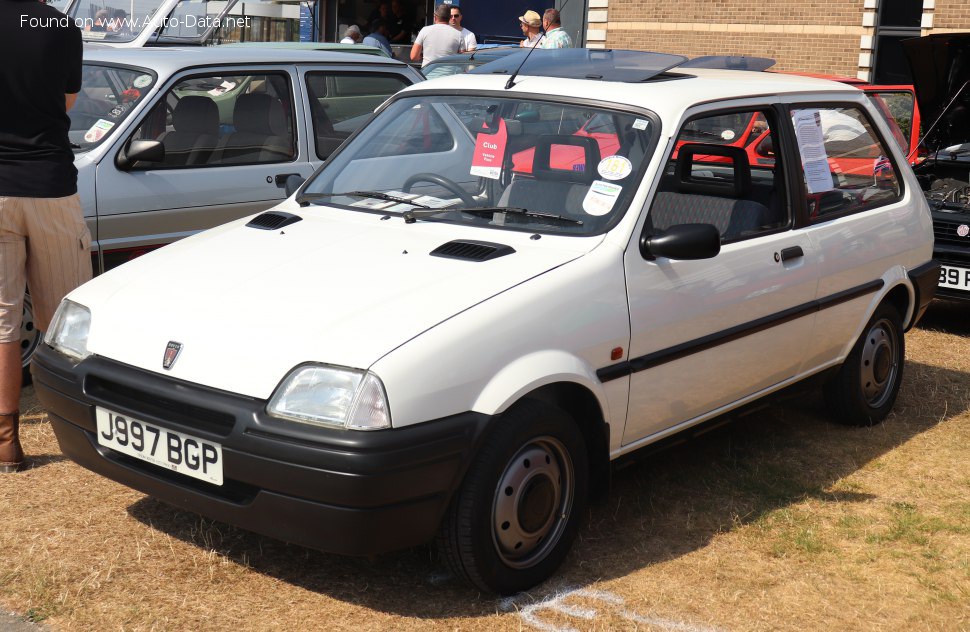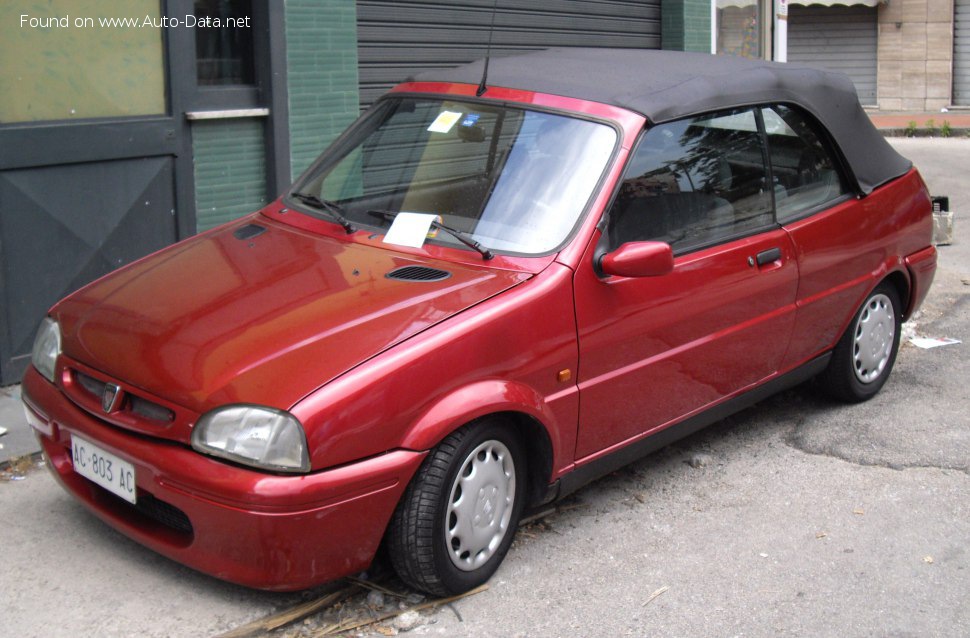
The Rover 100 Cabrio (XP) 114, produced between 1997 and 1998, represented a brief but notable iteration of the Rover 100 series. This variant, a two-door, four-seater cabriolet, was positioned as the premium offering within the 100 range, capitalizing on the growing popularity of open-top motoring. It was based on the Rover 100 platform (XP), itself a rebadged and significantly updated version of the Honda City, a collaboration stemming from British Leyland’s earlier partnership with Honda. The 114 designation refers to the engine’s displacement and approximate horsepower output, distinguishing it from the base 1.4-liter models.
Rover 100 Cabrio (XP) 114: An Overview
The Rover 100 Cabrio (XP) 114 was a relatively late addition to the Rover 100 lineup, arriving after Rover had already begun to face financial difficulties. It aimed to inject some excitement and desirability into the range, offering a more stylish and engaging driving experience than the standard saloon and hatchback models. Production numbers were limited, making it a relatively rare vehicle today. The “XP” designation refers to the platform code, signifying the extensive revisions made to the original Honda City design. These revisions included significant changes to the bodywork, interior, and suspension to align with Rover’s brand identity and customer expectations.
Powertrain & Engine Architecture
The heart of the Rover 100 Cabrio (XP) 114 is the K8 engine, a 1.4-liter, naturally aspirated, inline-four cylinder petrol engine. While often referred to as a 114, the engine actually produced 102 horsepower (hp) at 6000 rpm and 87 lb-ft of torque at 4250 rpm. This engine was a significant upgrade over the base 1.4-liter unit found in other Rover 100 models. The K8 engine featured a single overhead camshaft (SOHC) valvetrain with two valves per cylinder. Fuel delivery was managed by a multi-point fuel injection system, contributing to improved efficiency and reduced emissions compared to earlier Rover engines. The engine block was cast iron, while the cylinder head was aluminum, a common construction for engines of this era.
The 100 Cabrio (XP) 114 was exclusively offered with a four-speed automatic transmission. This transmission, while providing convenience, was not known for its responsiveness or fuel efficiency. It was a traditional hydraulic automatic, lacking the electronic controls found in more modern transmissions. The gear ratios were geared towards comfort and ease of driving rather than outright performance. First gear was relatively short, providing good acceleration from a standstill, while top gear (fourth) was designed for relaxed cruising. The automatic transmission contributed to a slightly heavier overall weight compared to the manual transmission versions of the Rover 100.
Driving Characteristics
The driving experience in the Rover 100 Cabrio (XP) 114 is best described as relaxed and comfortable. The 102 hp engine provides adequate power for everyday driving, but it’s not particularly sporty. Acceleration from 0 to 60 mph takes around 12-13 seconds, which is comparable to other small, automatic cars of the late 1990s. The automatic transmission, while convenient, can feel sluggish, especially when attempting to overtake or climb hills. The suspension is tuned for comfort, providing a smooth ride over most road surfaces. However, this comes at the expense of handling precision. Body roll is noticeable in corners, and the steering lacks feedback. The Cabriolet body style adds some structural flex, which can be felt on uneven roads. Compared to the manual transmission versions of the Rover 100, the automatic 114 feels noticeably slower and less engaging to drive. The higher-output 1.8-liter versions, available in other Rover models, offered a significantly more spirited driving experience.
Equipment & Trim Levels
As the premium variant, the Rover 100 Cabrio (XP) 114 came equipped with a relatively generous level of standard features. These included power steering, central locking, electric front windows, and an upgraded interior trim. The seats were typically upholstered in cloth, with options for leather available at an extra cost. The dashboard featured a wood-effect trim and a comprehensive instrument cluster. Air conditioning was a popular optional extra. Other available options included alloy wheels, a CD player, and a sunroof (in addition to the convertible top). The interior design was generally considered to be well-appointed for a car in its class, with a focus on comfort and practicality. The convertible top was a manually operated soft top, available in a range of colors.
Chassis & Braking
The Rover 100 Cabrio (XP) 114 utilized a MacPherson strut front suspension and a torsion beam rear suspension. This setup provided a good balance between ride comfort and handling. The front brakes were disc brakes, while the rear brakes were drum brakes. This was a common configuration for cars in this price range during the 1990s. The braking system was adequate for normal driving conditions, but it lacked the stopping power of more modern braking systems. The steering was a rack and pinion system, providing reasonable precision and feel. The chassis was reinforced compared to the standard Rover 100 to compensate for the lack of a fixed roof, improving structural rigidity. Stabilizer bars were fitted to both the front and rear axles to reduce body roll.
Market Reception & Comparison
The Rover 100 Cabrio (XP) 114 received mixed reviews from automotive critics. While the stylish convertible design was generally praised, the performance of the 1.4-liter engine and the sluggishness of the automatic transmission were often criticized. Fuel economy was also considered to be average for its class. Compared to other small convertibles available at the time, such as the Fiat Punto Cabriolet and the Peugeot 205 Convertible, the Rover 100 Cabrio (XP) 114 offered a more luxurious interior and a more comfortable ride. However, it lacked the sporty handling of the Peugeot and the affordability of the Fiat. Reliability was generally considered to be average, with some owners reporting issues with the automatic transmission and the electrical system. The Rover 100 Cabrio (XP) 114 was positioned as a more affordable alternative to larger, more expensive convertibles, appealing to buyers who wanted a stylish and practical open-top car.
Technical Specifications
| Engine Model/Code | K8 |
| Engine Type | Naturally Aspirated Inline-4 |
| Displacement | 1.4 Liters (1396 cc) |
| Power | 102 hp @ 6000 rpm |
| Torque | 87 lb-ft @ 4250 rpm |
| Fuel System | Multi-point Fuel Injection |
| Transmission | 4-Speed Automatic |
| Drivetrain | Front-Wheel Drive |
| Fuel Tank Capacity | 35 Liters (9.25 US gallons) |
| Engine Oil Capacity | 4.5 Liters (4.76 US quarts) |
| Coolant Capacity | 4.5 Liters (4.76 US quarts) |
| Curb Weight | Approximately 2300 lbs (1043 kg) |
| 0-60 mph | 12-13 seconds (estimated) |
Legacy
The Rover 100 Cabrio (XP) 114, despite its short production run, has gained a small but dedicated following among Rover enthusiasts. The limited production numbers and the unique appeal of the convertible body style have made it a desirable collector’s item. The K8 engine, while not particularly powerful, is generally considered to be reliable and relatively easy to maintain. However, the automatic transmission can be prone to issues, and finding replacement parts can be challenging. Today, the Rover 100 Cabrio (XP) 114 is often seen as a charming and affordable classic car, offering a nostalgic glimpse into the British automotive industry of the late 1990s. Its value in the used car market has been steadily increasing in recent years, reflecting its rarity and its growing popularity among collectors.