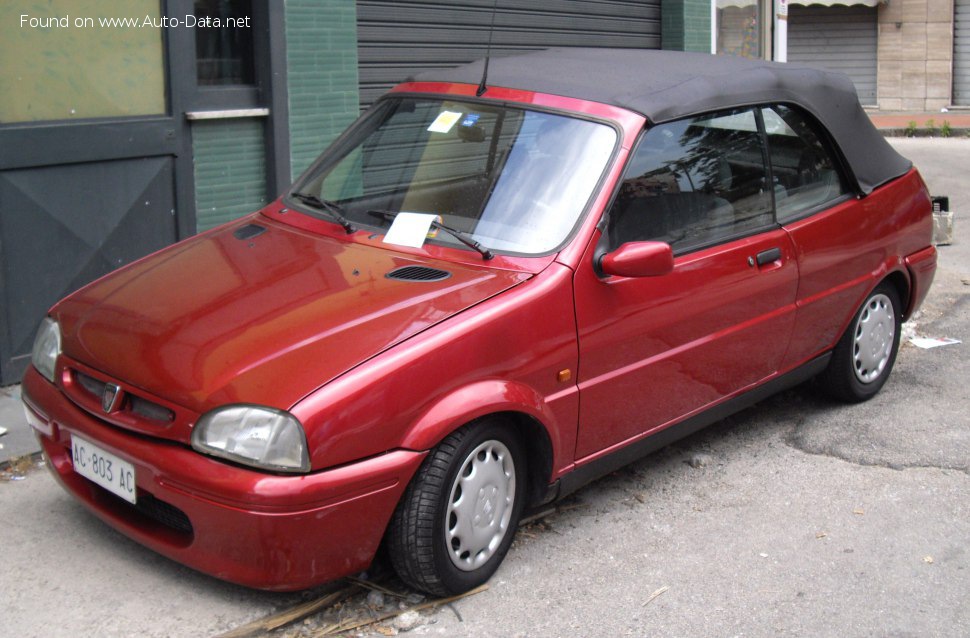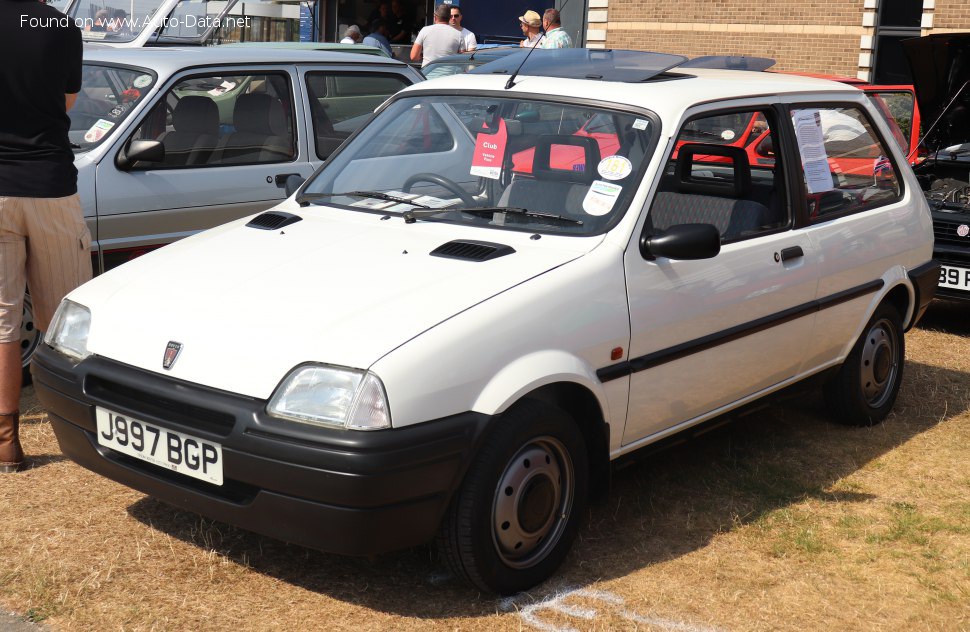
The Rover 100, specifically the 114 GSi variant produced between 1994 and 1995, represents a late-life evolution of the iconic Metro platform, known internally as the XP series. This model occupied a mid-range position within the 100 lineup, offering a performance-oriented alternative to the base models while remaining more accessible than the limited-edition and higher-specification trims. The 114 GSi aimed to inject some sporting appeal into the aging Metro design, capitalizing on the relatively potent (for its size and class) 1.4-liter K-series engine. It was a final attempt to keep the Metro relevant in a rapidly changing British automotive market before its eventual replacement.
Rover 100 114 GSi: An Overview
The Rover 100, launched in 1994, was essentially a heavily revised version of the Austin Metro, a car that had been in production since 1980. Rover, having acquired British Leyland, sought to modernize the Metro and rebrand it as the 100. The 114 GSi was introduced as a more dynamic version, featuring a higher-output engine, subtle styling enhancements, and a slightly firmer suspension setup. It was positioned above the base 1.1L and 1.3L models, offering a step up in performance and equipment without the price tag of the more exclusive variants. Production was relatively short-lived, ending in 1995 as Rover prepared to launch the all-new Rover 100 series (based on the Honda Civic platform).
Powertrain & Engine Architecture
The heart of the 114 GSi is the Rover K8 engine, a 1.4-liter (1396cc) inline-four cylinder, naturally aspirated gasoline engine. While often referred to as a 1.4, it was derived from the earlier 1.3L K-series, with modifications to increase displacement and power output. The engine produces 103 horsepower (hp) at 6000 rpm and 87 lb-ft of torque at 4500 rpm. The K8 featured a single overhead camshaft (SOHC) design with two valves per cylinder. Fuel delivery is managed by a Bosch Motronic fuel injection system, providing precise control over the air-fuel mixture. The engine block is constructed from cast iron, while the cylinder head is made of aluminum alloy. This combination aimed to balance durability with weight reduction.
The 114 GSi was exclusively offered with a five-speed manual transmission. An automatic transmission was *not* available on this specific variant. The gearbox is a standard manual unit, providing relatively short and precise shifts. The final drive ratio is geared for acceleration rather than outright top speed, reflecting the car’s intended role as a nimble city car with occasional highway capability. The engine’s relatively light weight contributes to the car’s brisk acceleration, especially in the lower gears.
Driving Characteristics
The Rover 100 114 GSi offers a surprisingly engaging driving experience, particularly when compared to the base models. The 103 hp engine provides adequate power for spirited driving, and the car’s light weight (around 1,780 lbs) contributes to its agility. Acceleration from 0 to 60 mph takes approximately 10.5 seconds, which was competitive for its class at the time. The five-speed manual transmission allows the driver to keep the engine in its optimal power band, maximizing performance. The steering is light and responsive, making the car easy to maneuver in urban environments. However, the suspension, while slightly firmer than the standard 100, is still geared towards comfort rather than outright handling prowess. Body roll is noticeable in corners, but the car remains stable and predictable. Compared to the 1.1L and 1.3L models, the 114 GSi offers a significantly more enjoyable driving experience, with noticeably stronger acceleration and improved responsiveness.
Equipment & Trim Levels
The 114 GSi came with a number of standard features designed to enhance its sporty appeal. These included a sports-tuned suspension, alloy wheels (typically 13-inch), a rev-counter in the instrument cluster, and a more aggressive body kit consisting of a front spoiler and rear roof spoiler. The interior featured upgraded upholstery, often with a patterned cloth design, and a leather-wrapped steering wheel. Power steering was standard. Optional extras included electric front windows, a sunroof, and a stereo system. The dashboard layout was typical of the Rover 100, with a functional but somewhat dated design. The 114 GSi’s interior, while not luxurious, offered a more driver-focused environment than the base models.
Chassis & Braking
The Rover 100 114 GSi utilizes a MacPherson strut front suspension and a twist-beam rear suspension. The front suspension incorporates a stabilizer bar to reduce body roll. The rear suspension is relatively simple, but effective in providing a comfortable ride. The braking system consists of disc brakes on the front wheels and drum brakes on the rear wheels. The brakes are adequate for the car’s weight and performance, but lack the stopping power of more modern vehicles. The steering is rack and pinion, providing precise and responsive control. The chassis is a monocoque construction, providing a good balance of strength and rigidity.
Market Reception & Comparison
The Rover 100 114 GSi was generally well-received by automotive critics, who praised its lively performance and affordable price. It was seen as a welcome addition to the 100 lineup, offering a more engaging driving experience than the base models. However, some critics noted the car’s dated interior and lack of refinement. Compared to rivals such as the Ford Fiesta and Vauxhall Corsa, the 114 GSi offered a unique blend of performance and affordability. Fuel economy was reasonable, averaging around 45-50 mpg in mixed driving conditions. Reliability was generally good, although the K-series engine was known to be susceptible to head gasket failure if not properly maintained. The 114 GSi represented a good value for money, offering a fun and practical city car at a competitive price point.
Technical Specifications
| Engine Type | Rover K8, Inline-4, Naturally Aspirated |
| Engine Displacement | 1396 cc (1.4 L) |
| Power Output | 103 hp @ 6000 rpm |
| Torque Output | 87 lb-ft @ 4500 rpm |
| Fuel System | Bosch Motronic Fuel Injection |
| Transmission | 5-Speed Manual |
| Drivetrain | Front-Wheel Drive |
| Curb Weight | 1780 lbs (approx.) |
| 0-60 mph | 10.5 seconds (approx.) |
| Fuel Tank Capacity | 9.25 US gallons (35 liters) |
| Engine Oil Capacity | 4.76 US quarts (4.5 liters) |
Legacy
The Rover 100 114 GSi, while a relatively short-lived model, has gained a cult following among enthusiasts. Its combination of affordability, performance, and quirky British charm has made it a popular choice for classic car collectors and project builders. The K-series engine, despite its potential for head gasket issues, is generally regarded as a robust and tunable unit. Today, well-maintained examples of the 114 GSi are becoming increasingly rare and valuable. The car represents a final chapter in the history of the Metro, and a testament to Rover’s ability to create engaging and affordable automobiles. Parts availability can be challenging, but a dedicated network of Rover enthusiasts and specialist suppliers ensures that these cars can be kept on the road for years to come. The 114 GSi remains a fondly remembered and appreciated vehicle within the British automotive landscape.