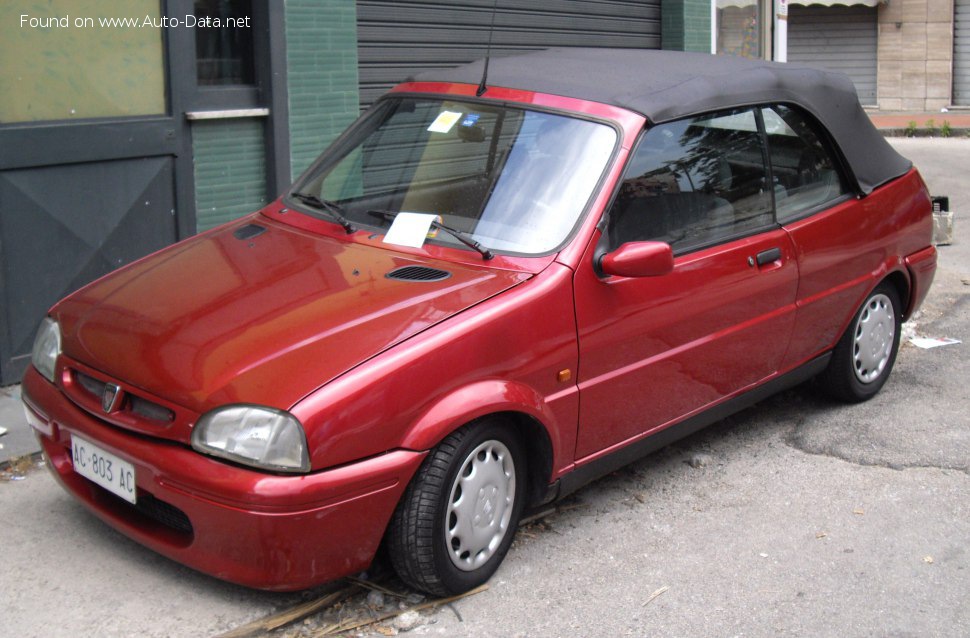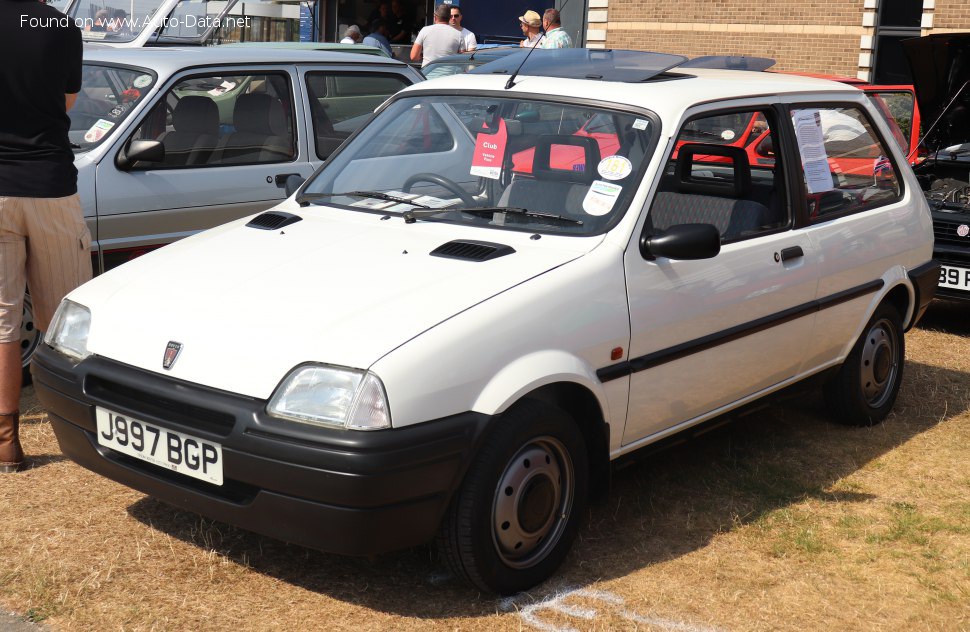
The Rover 100, specifically the 114 GTI 16V variant, was a small, front-wheel-drive hatchback produced between 1991 and 1998. This model represented a significant update to the aging Rover Metro, itself a descendant of the Austin Mini and Triumph Bonneville. The 114 GTI 16V occupied the performance-oriented niche within the Rover 100 range, offering a more engaging driving experience than the standard models. It was positioned as a sporty, affordable option for younger drivers or those seeking a fun-to-drive city car. The Rover 100 (XP) platform was a cost-effective solution for Rover, utilizing many components from its predecessors while incorporating updated styling and mechanical improvements.
Rover 100 114 GTI 16V: A Detailed Overview
The 114 GTI 16V was the flagship performance model of the Rover 100 range. It distinguished itself from the base models with a more powerful engine, upgraded suspension, and distinctive styling cues. While not a direct replacement for the earlier Rover Metro GTI, it aimed to recapture some of that model’s sporty appeal. The GTI 16V was intended to appeal to buyers who wanted a practical and economical hatchback with a bit more pep and handling prowess.
Powertrain & Engine Architecture
At the heart of the 114 GTI 16V lay the K16 engine, a 1.4-liter (1396 cc) inline-four cylinder gasoline engine. This engine, designated as the K16, produced 103 horsepower at 6000 rpm and 127 Nm (93.67 lb-ft) of torque at 5000 rpm. The engine featured multi-port fuel injection and a double overhead camshaft (DOHC) valvetrain with four valves per cylinder – hence the “16V” designation. This configuration allowed for improved breathing and higher engine speeds compared to the simpler engines found in lower-spec Rover 100 models.
The K16 engine was a relatively simple and robust design, known for its reliability when properly maintained. It utilized a cast iron block and an aluminum cylinder head. The engine’s compression ratio was 9.5:1. While not a particularly sophisticated engine by modern standards, it provided adequate performance for the lightweight Rover 100 chassis. The engine oil capacity was 4.5 liters (4.76 US quarts / 3.96 UK quarts), and the recommended oil specification should be consulted in the vehicle’s owner’s manual.
Unlike many of its contemporaries, the 114 GTI 16V was *only* offered with a 5-speed manual transmission. An automatic transmission was not available for this performance variant. This was a deliberate choice by Rover to maintain a more direct and engaging driving experience. The gearbox was a standard manual unit, providing smooth shifts and a reasonably precise feel.
Driving Characteristics
The Rover 100 114 GTI 16V offered a noticeable step up in performance compared to the standard Rover 100 models. Acceleration from 0 to 60 mph was achieved in approximately 8.2 to 8.6 seconds, and the car had a top speed of around 116 mph (187 km/h). While these figures aren’t particularly impressive by today’s standards, they were competitive for a small hatchback in the early 1990s.
The GTI 16V’s handling was also improved over the base models, thanks to a stiffer suspension setup. The front suspension utilized wishbones, while the rear employed a trailing arm configuration. The steering was a hydraulic power-assisted rack and pinion system, providing a reasonably responsive feel. The car’s relatively light weight (approximately 840 kg or 1852 lbs) contributed to its nimble handling characteristics. The 185/55 R13 tires provided adequate grip for everyday driving, but were not particularly high-performance.
The 5-speed manual transmission allowed drivers to keep the engine in its optimal power band, maximizing acceleration. The gear ratios were well-suited to city driving and spirited backroad excursions. The engine’s torque output, while not abundant, was sufficient for overtaking maneuvers and maintaining a comfortable cruising speed.
Equipment & Trim Levels
The 114 GTI 16V came reasonably well-equipped for its price point. Standard features typically included power steering, front disc brakes, and an anti-lock braking system (ABS). The interior featured sporty front seats with enhanced bolstering, and a distinctive instrument cluster. The dashboard was typically finished in a dark color scheme, with a focus on functionality rather than luxury.
Optional extras included electric windows, central locking, and a sunroof. Some models were also equipped with alloy wheels, which further enhanced the car’s sporty appearance. Interior upholstery was typically cloth, with a variety of color options available. The Rover 100’s interior was generally considered to be practical and durable, but not particularly refined.
Chassis & Braking
The Rover 100 114 GTI 16V utilized a monocoque chassis construction. The front suspension featured independent wishbones, while the rear suspension employed a trailing arm setup. This suspension configuration provided a reasonable balance between ride comfort and handling performance. The GTI 16V benefited from a slightly stiffer suspension setup compared to the standard Rover 100 models, which reduced body roll and improved cornering stability.
The braking system consisted of disc brakes on the front wheels and drum brakes on the rear wheels. The inclusion of ABS was a significant safety feature for the time. The braking performance was adequate for everyday driving, but not particularly outstanding. The car’s relatively light weight helped to compensate for the less sophisticated rear drum brakes.
Market Reception & Comparison
The Rover 100 114 GTI 16V was generally well-received by automotive critics. It was praised for its sporty handling, lively engine, and affordable price. However, some critics noted that the interior was somewhat basic and lacked the refinement of some of its competitors. Compared to other small hatchbacks of the era, such as the Peugeot 205 GTI and the Volkswagen Polo GTI, the Rover 100 GTI 16V offered a more affordable alternative, but lacked the same level of overall sophistication.
Fuel economy was a strong point for the 114 GTI 16V, with combined fuel consumption figures of around 35.6 US mpg (42.8 UK mpg or 6.6 l/100 km). Reliability was generally good, although some owners reported issues with the cooling system and electrical components. The K16 engine was generally considered to be a durable unit, but regular maintenance was essential to prevent problems.
Technical Specifications
| Brand | Rover |
| Model | 100 |
| Generation | 100 (METRO) (XP) |
| Type | 114 GTI 16V (103 Hp) |
| Start of production | 1991 |
| End of production | 1998 |
| Engine Displacement | 1396 cm3 (85.19 cu. in.) |
| Number of Cylinders | 4 |
| Engine Configuration | Inline |
| Power | 103 Hp @ 6000 rpm |
| Torque | 127 Nm @ 5000 rpm (93.67 lb.-ft. @ 5000 rpm) |
| Fuel Type | Petrol (Gasoline) |
| Acceleration 0-60 mph | 8.2 sec (Calculated) |
| Acceleration 0-62 mph | 8.6 sec |
| Acceleration 0-100 km/h | 8.6 sec |
| Maximum Speed | 187 km/h (116.2 mph) |
| Kerb Weight | 840 kg (1851.88 lbs) |
| Max. Weight | 1290 kg (2843.96 lbs) |
| Fuel Tank Capacity | 35 l (9.25 US gal | 7.7 UK gal) |
| Length | 3521 mm (138.62 in) |
| Width | 1550 mm (61.02 in) |
| Height | 1377 mm (54.21 in) |
| Wheelbase | 2269 mm (89.33 in) |
| Transmission | 5-speed Manual |
Legacy
The Rover 100 114 GTI 16V remains a popular choice among enthusiasts and collectors. Its affordability, lively performance, and distinctive styling have ensured its continued appeal. While not without its flaws, the GTI 16V represents a fun and engaging driving experience. The K16 engine, when properly maintained, has proven to be a relatively reliable unit. Today, well-maintained examples of the 114 GTI 16V are becoming increasingly sought after, and values are slowly appreciating. The car’s simplicity and relatively low running costs make it an attractive option for those seeking a classic hatchback with a bit of character.