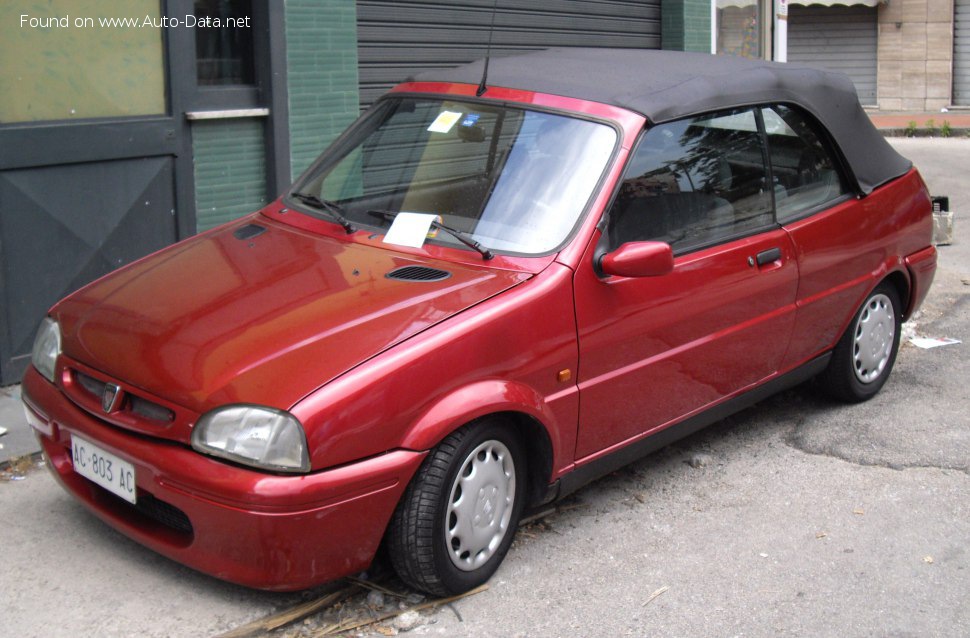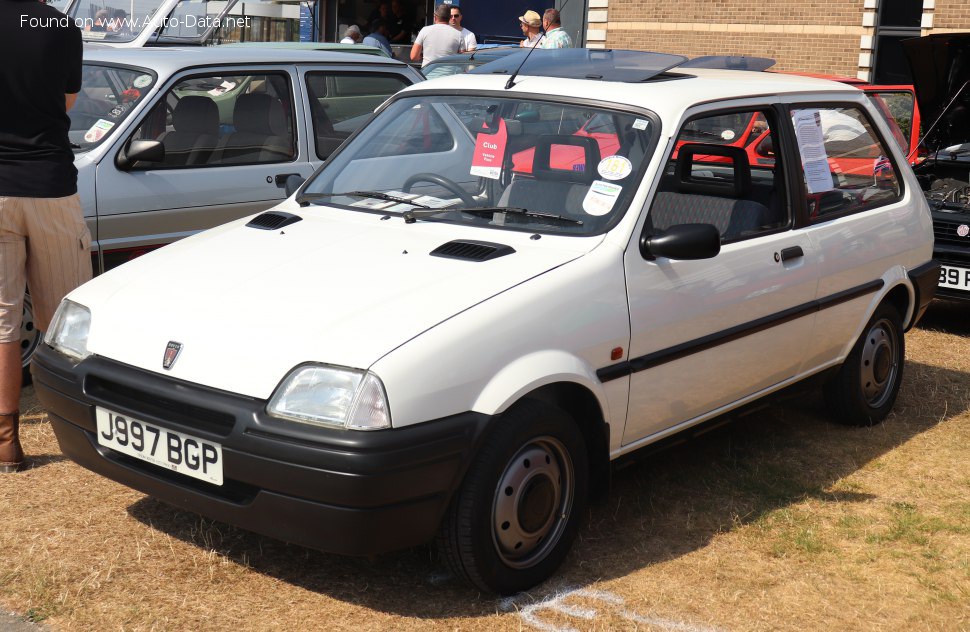
The Rover 100, specifically the 114 GTI 16V variant produced between 1990 and 1991, represented a performance-oriented iteration of the XP-series Metro. This model occupied a niche position within the Rover lineup, serving as the sportiest version of the small hatchback. Built on the Austin-Rover XP platform (also known as the 100/Metro series), the 114 GTI 16V aimed to provide an accessible and engaging driving experience, appealing to enthusiasts seeking a nimble and relatively affordable hot hatch. It was a short-lived model, discontinued as Rover underwent significant changes in ownership and product strategy.
Rover 100 114 GTI 16V: An Overview
The Rover 100 range, launched in 1990, was essentially a heavily revised version of the Austin Metro, benefiting from significant investment and improvements. The 114 GTI 16V was the flagship model, distinguished by its 16-valve cylinder head and increased power output. While sharing the basic chassis and body shell with other 100 variants, the GTI 16V featured unique styling cues and a more focused driving experience. It was positioned above the base 1.1L and 1.4L models, offering a step up in performance and equipment.
Powertrain & Engine Architecture
The heart of the 114 GTI 16V was the K-series engine, specifically the K16 variant. This was a 1.6-liter inline four-cylinder engine, notable for its lightweight construction and sophisticated (for its time) 16-valve cylinder head. The engine code, K16, identifies this specific configuration. While the K-series engine would later become renowned for its potential and widespread use in other Rover models, the K16 in the 114 GTI 16V utilized a single-point fuel injection system, a compromise made to keep costs down. This system, while less efficient than multi-point injection, provided adequate fuel delivery for the engine’s 94 horsepower output.
The engine featured a cast iron block and an aluminum cylinder head, contributing to its relatively light weight. The valvetrain employed overhead camshafts, operating four valves per cylinder. The compression ratio was 9.0:1. Lubrication was provided by a conventional wet sump system with an oil capacity of 4.5 liters (4.76 US quarts / 3.96 UK quarts). The cooling system held 4.5 liters (4.76 US quarts / 3.96 UK quarts) of coolant. The engine was transversely mounted at the front of the vehicle, driving the front wheels.
Driving Characteristics
The 114 GTI 16V offered a noticeable improvement in performance compared to the standard Rover 100 models. With 94 hp, it could accelerate from 0 to 60 mph in approximately 8.7 seconds, and reach a top speed of 112.47 mph (181 km/h). While these figures may seem modest by modern standards, they were competitive within the small hatchback segment of the early 1990s. The single-point fuel injection system resulted in a slightly less refined throttle response compared to later multi-point injection K-series engines. The gear ratios were tuned to provide brisk acceleration in the lower gears, while still allowing for comfortable cruising at highway speeds. The relatively light weight of the vehicle (around 780 kg / 1720 lbs) contributed to its nimble handling characteristics. Compared to a potential future Rover 100 with a manual transmission, the automatic would have sacrificed some responsiveness, but offered ease of use for daily driving.
Equipment & Trim Levels
The 114 GTI 16V was reasonably well-equipped for its price point. Standard features included sports seats, a leather-wrapped steering wheel, and a more comprehensive instrument cluster than the base models. The interior trim was typically dark grey or black cloth. Optional extras included electric front windows, a sunroof, and upgraded audio systems. The exterior styling was enhanced by a rear spoiler, color-coded bumpers, and unique alloy wheels. The dashboard layout was similar to other Rover 100 models, but featured additional gauges and a more sporty appearance.
Chassis & Braking
The Rover 100 114 GTI 16V utilized a MacPherson strut front suspension and a twist-beam rear suspension. The suspension was tuned to provide a balance between comfort and handling. The front suspension featured an anti-roll bar to reduce body roll during cornering. The braking system consisted of disc brakes on the front wheels and drum brakes on the rear wheels. The braking system was adequate for the vehicle’s performance, but lacked the stopping power of more modern systems. The steering was rack and pinion, providing precise and responsive steering feel.
Market Reception & Comparison
The 114 GTI 16V received generally positive reviews from automotive critics. It was praised for its lively performance, nimble handling, and affordable price. However, some critics noted the limitations of the single-point fuel injection system and the relatively basic interior. Compared to other hot hatches of the era, such as the Peugeot 205 GTI and the Volkswagen Polo GTI, the Rover 114 GTI 16V offered a more affordable alternative, but lacked the overall refinement and performance of its rivals. Fuel economy was reasonable for a performance-oriented hatchback, averaging around 35-40 mpg. Reliability was generally good, although the K-series engine was known to be susceptible to head gasket failures in later iterations, a problem not widely reported in the early K16 versions.
Technical Specifications
| Brand | Rover |
| Model | 100 |
| Generation | 100 (METRO) (XP) |
| Type (Engine) | 114 GTI 16V (94 Hp) |
| Start of production | 1990 |
| End of production | 1991 |
| Powertrain Architecture | Internal Combustion engine |
| Body type | Hatchback |
| Seats | 4 |
| Doors | 3 |
| Fuel Type | Petrol (Gasoline) |
| Acceleration 0 – 100 km/h | 9.2 sec |
| Acceleration 0 – 62 mph | 9.2 sec |
| Acceleration 0 – 60 mph | 8.7 sec |
| Maximum speed | 181 km/h / 112.47 mph |
| Power | 94 Hp |
| Engine layout | Front, Transverse |
| Engine Model/Code | K16 |
| Number of cylinders | 4 |
| Engine configuration | Inline |
| Number of valves per cylinder | 4 |
| Fuel injection system | Single-point injection |
| Engine aspiration | Naturally aspirated engine |
| Engine oil capacity | 4.5 l / 4.76 US qt / 3.96 UK qt |
| Fuel tank capacity | 35 l / 9.25 US gal / 7.7 UK gal |
| Drivetrain Architecture | Front wheel drive |
Legacy
The Rover 100 114 GTI 16V, while a relatively short-lived model, holds a special place in the hearts of many British car enthusiasts. It represented a genuine attempt to create an affordable and engaging hot hatch. Today, surviving examples are becoming increasingly rare and sought after by collectors. The K-series engine, despite its later reliability issues, proved to be a versatile and capable powerplant, and continued to be used in Rover models for many years. The 114 GTI 16V serves as a reminder of a time when Rover was striving to produce innovative and exciting cars. The automatic transmission version, while not as highly regarded as the manual, offers a unique and accessible entry point into the world of classic Rover performance.