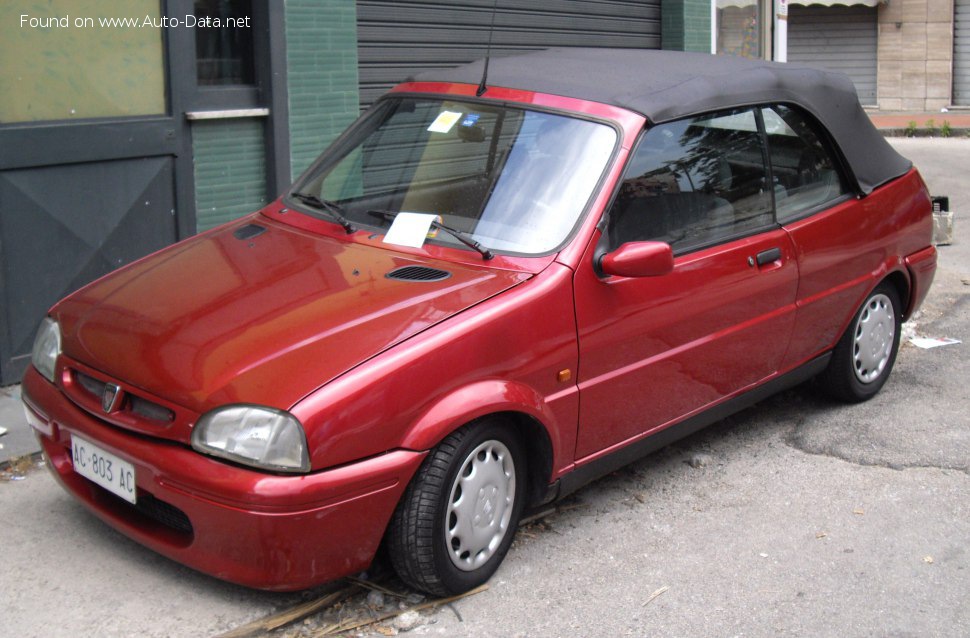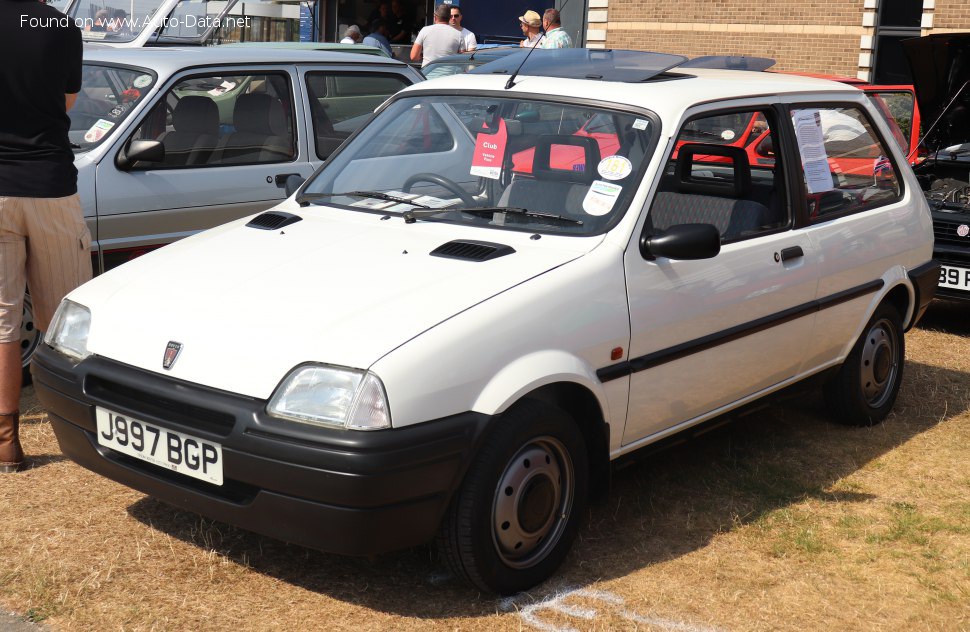
The Rover 100, specifically the 114 S/L/GTA variant powered by the 1.4-liter K8 engine producing 75 horsepower, was a mainstay of the British Leyland/Rover Group’s small car offerings from 1990 until 1998. This model represented a significant update to the aging Metro platform (internally designated XP), offering a more modern appearance and improved features while retaining the core affordability that defined the original. The 114 S/L/GTA occupied the entry-level to mid-range position within the Rover 100 lineup, serving as a practical and economical choice for budget-conscious buyers. It was positioned below the higher-specification models with larger engines and more luxurious appointments.
Rover 100 114 S/L/GTA: Powertrain & Engine Architecture
At the heart of the 114 S/L/GTA was the Rover K8 engine, a 1396cc (85.19 cubic inches) inline-four cylinder unit. This engine, while relatively simple in design, was known for its durability and ease of maintenance. It featured a single overhead camshaft (OHC) valvetrain with two valves per cylinder. The K8 utilized a single-point fuel injection system, a cost-effective solution that, while not as efficient as multi-point injection, provided adequate performance for the vehicle’s intended purpose. The engine produced 75 horsepower at 5500 rpm and 86.29 lb-ft of torque at 4000 rpm. The compression ratio was set at 9.7:1.
The engine was transversely mounted in the front of the vehicle, driving the front wheels. The standard transmission was a five-speed manual gearbox. While an automatic transmission was offered on some Rover 100 models, it was less common with the 75 hp engine, and often paired with the higher-spec trims. The automatic, when equipped, was a three-speed unit, prioritizing fuel economy and smooth operation over outright performance. The engine oil capacity was 4.5 liters (4.76 US quarts / 3.96 UK quarts), and the coolant capacity was also 4.5 liters.
Engine Codes & Variations
The K8 engine was produced with several minor variations throughout its lifespan. While the core architecture remained consistent, different engine codes (primarily relating to emissions control equipment) were used. The 114 S/L/GTA typically used the earlier K8 variants, focusing on simplicity and cost-effectiveness.
Driving Characteristics
The Rover 100 114 S/L/GTA, with its 75 horsepower engine and relatively lightweight construction (855 kg / 1884.95 lbs), offered adequate, if not exhilarating, performance. Acceleration from 0 to 60 mph took approximately 10.9 seconds, and 0-100 km/h was achieved in 11.5 seconds. The top speed was around 103.15 mph (166 km/h). The five-speed manual transmission allowed drivers to keep the engine in its optimal power band, while the optional three-speed automatic prioritized ease of use.
Compared to the higher-output 1.6-liter versions of the Rover 100, the 114 S/L/GTA felt noticeably slower, particularly during overtaking maneuvers. However, the lower engine output also contributed to better fuel economy. The steering was light and responsive, making it easy to maneuver in urban environments. The suspension, while basic, provided a reasonably comfortable ride, absorbing most road imperfections without excessive body roll. The gear ratios in the manual transmission were spaced to maximize fuel efficiency, with a relatively tall fifth gear for highway cruising.
Equipment & Trim Levels
The Rover 100 114 S/L/GTA was offered in several trim levels – S, L, and GTA – each building upon the previous one with additional features. The base ‘S’ model was quite spartan, typically including basic cloth upholstery, a simple dashboard layout, and minimal exterior embellishments. The ‘L’ trim added features such as a more comfortable interior trim, a basic stereo system, and improved exterior detailing. The ‘GTA’ trim, the highest level available with the 1.4 engine, included features like alloy wheels, upgraded interior trim, and potentially power windows and central locking (depending on the year and market).
Standard equipment across most 114 S/L/GTA models included a driver’s airbag, central door locking, and an adjustable steering column. Optional extras included a sunroof, metallic paint, and upgraded audio systems. Interior upholstery was typically a durable cloth material, available in a range of colors. The dashboard layout was functional and straightforward, with clearly labeled controls.
Chassis & Braking
The Rover 100 114 S/L/GTA utilized a relatively simple chassis design. The front suspension consisted of wishbone springs and dampers, while the rear suspension employed a trailing arm setup. This configuration provided a reasonable balance between ride comfort and handling. The front brakes were disc brakes, offering adequate stopping power, while the rear brakes were drum brakes, a cost-saving measure common in this class of vehicle.
Anti-lock braking system (ABS) was available as an option, enhancing safety by preventing wheel lockup during hard braking. The steering system was a rack and pinion type, providing precise and responsive steering. The standard tire size was 155/65 R13. The kerb weight of the vehicle was 855 kg (1884.95 lbs), and the maximum load capacity was 455 kg (1003.1 lbs).
Market Reception & Comparison
The Rover 100 114 S/L/GTA was generally well-received by critics as an affordable and practical small car. It was praised for its fuel efficiency, ease of driving, and relatively low running costs. However, it was also criticized for its lack of performance and somewhat dated interior design. Compared to rivals such as the Ford Fiesta and Vauxhall/Opel Corsa, the Rover 100 offered a more comfortable ride but lacked the sporty handling characteristics of some competitors.
Fuel economy figures were respectable for the time, with combined fuel consumption averaging around 34.1 US mpg (40.9 UK mpg / 6.9 l/100 km). Reliability was generally good, although the K8 engine was known to be susceptible to head gasket failures in some cases. The 1.4-liter engine offered a good balance between fuel economy and usability, making it a popular choice for urban commuters.
Technical Specifications
| Brand | Rover |
| Model | 100 |
| Generation | 100 (METRO) (XP) |
| Type | 114 S/L/GTA (75 Hp) |
| Start of production | 1990 |
| End of production | 1998 |
| Engine Displacement | 1396 cm3 (85.19 cu. in.) |
| Number of Cylinders | 4, Inline |
| Engine Power | 75 Hp @ 5500 rpm |
| Engine Torque | 117 Nm @ 4000 rpm (86.29 lb.-ft. @ 4000 rpm) |
| Fuel Type | Petrol (Gasoline) |
| Fuel Consumption (Urban) | 8.3 l/100 km (28.3 US mpg / 34 UK mpg) |
| Fuel Consumption (Extra Urban) | 5.3 l/100 km (44.4 US mpg / 53.3 UK mpg) |
| Fuel Consumption (Combined) | 6.9 l/100 km (34.1 US mpg / 40.9 UK mpg) |
| Acceleration 0-60 mph | 10.9 sec |
| Acceleration 0-100 km/h | 11.5 sec |
| Maximum Speed | 166 km/h (103.15 mph) |
| Kerb Weight | 855 kg (1884.95 lbs) |
| Fuel Tank Capacity | 35 l (9.25 US gal / 7.7 UK gal) |
| Dimensions (Length x Width x Height) | 3521 mm x 1550 mm x 1377 mm (138.62 in x 61.02 in x 54.21 in) |
| Wheelbase | 2269 mm (89.33 in) |
Legacy
The Rover 100 114 S/L/GTA, while not a particularly groundbreaking vehicle, played an important role in keeping Rover competitive in the small car market during the 1990s. The K8 engine, despite its limitations, proved to be a reliable and durable powerplant. Today, the Rover 100 114 S/L/GTA is a relatively affordable classic car, appealing to enthusiasts seeking a simple and economical British vehicle. Parts availability can be a challenge, but a dedicated community of Rover owners and specialists exists to provide support. The 1.4-liter engine, when well-maintained, continues to offer reasonable reliability, making it a viable option for those seeking a classic car experience without excessive maintenance headaches. However, potential buyers should be aware of the possibility of head gasket issues and the need for regular servicing.