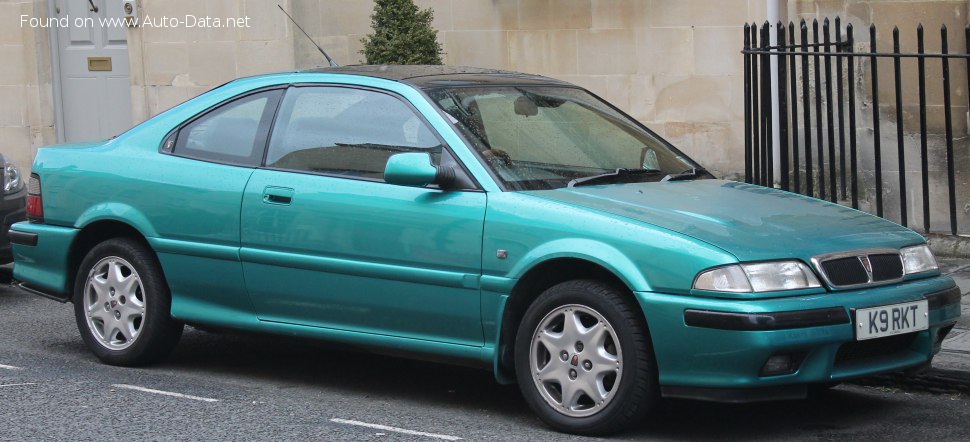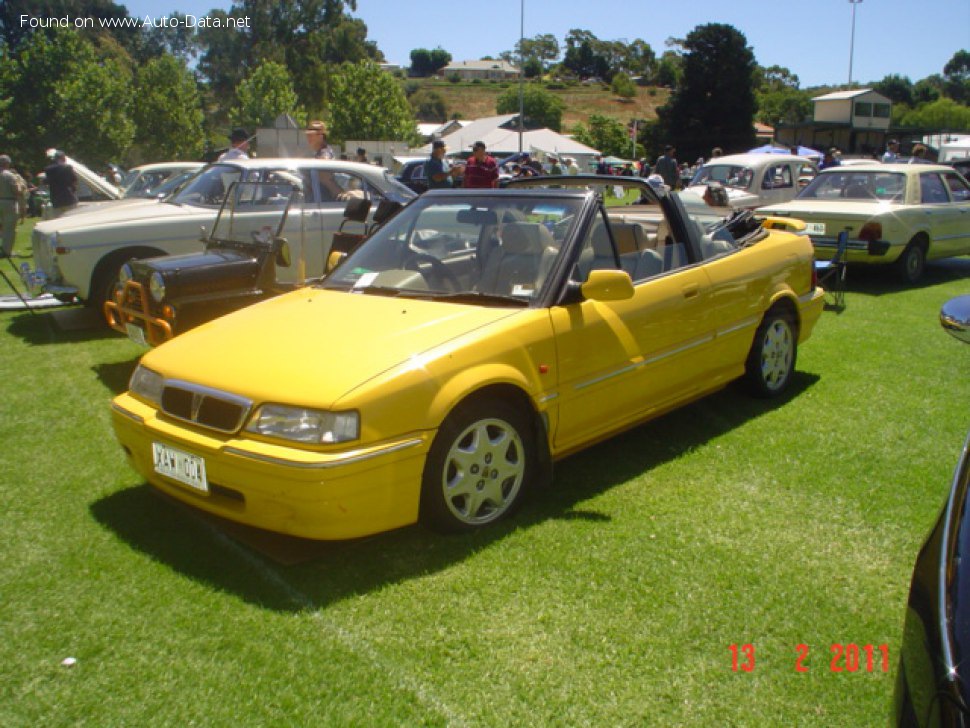
The Rover 200 Cabrio (XW) 216i, produced between 1993 and 2000, represented a stylish and accessible entry into the convertible market for British buyers. Positioned as the upper-mid range trim level within the 200 Cabrio lineup, it offered a step up in performance and refinement compared to the base 1.4 models, while remaining more affordable than potential future, higher-specification variants. The 216i utilized the Rover Group’s K-Series engine, a powerplant known for its compact size and relatively high output, coupled with a five-speed manual transmission. The XW designation refers to the Cabriolet body style within the Rover 200 range, which itself was based on the Honda Concerto platform following the British Leyland/Rover-Honda partnership.
Powertrain & Engine Architecture
The heart of the 216i Cabrio was the 1.6-liter K-Series inline four-cylinder engine, specifically the K16 variant. This engine, identifiable by its engine code, produced 122 horsepower at 6800 rpm and 140 Nm (103.26 lb-ft) of torque at 5700 rpm. The K-Series was notable for its all-aluminum construction, contributing to a relatively lightweight engine. It featured a multi-port fuel injection system, delivering fuel directly into the intake ports, and a double overhead camshaft (DOHC) valvetrain with four valves per cylinder. This configuration allowed for efficient cylinder filling and improved breathing, contributing to the engine’s power output. The engine’s bore and stroke measured 75mm x 90mm, resulting in a displacement of 1590 cm³ (97.03 cu. in.) and a compression ratio of 9.5:1. The five-speed manual transmission offered precise gear changes and was well-matched to the engine’s power characteristics. The transmission was a front-wheel drive setup, typical for vehicles in this class.
K-Series Engine Specifics
The K-Series engine, while generally reliable, was known for potential head gasket failures, particularly in earlier iterations. Rover addressed this issue with revisions to the head gasket design over the production run, and the later K16 engines, as found in the 216i, were generally more robust. Regular coolant checks and maintenance were crucial to prevent overheating and potential head gasket issues. The engine’s relatively small displacement and high specific output (76.7 hp/liter) meant it needed to be revved to deliver its best performance.
Driving Characteristics
The Rover 200 Cabrio 216i offered a spirited driving experience for its time. Acceleration from 0 to 60 mph was achieved in approximately 9.1 seconds, and it could reach a top speed of 119.92 mph (193 km/h). While not a sports car, the 216i provided sufficient power for comfortable cruising and enjoyable back-road driving. The five-speed manual transmission allowed drivers to keep the engine in its optimal power band. Gear ratios were relatively closely spaced, providing good acceleration in each gear. Compared to the lower-powered 1.4-liter models, the 216i felt noticeably more responsive and capable, particularly when overtaking or climbing hills. However, it lacked the outright performance of larger-engined rivals or even the later, more powerful Rover 200 variants. The front-wheel drive configuration provided predictable handling, although it could exhibit some understeer when pushed hard.
Equipment & Trim Levels
The 216i Cabrio typically came equipped with a reasonable level of standard features. Interior upholstery was generally cloth, although leather options were available as an extra cost. The dashboard layout was functional and straightforward, with clear instrumentation. Standard equipment included power steering, an anti-lock braking system (ABS), and a basic stereo system. Optional extras included alloy wheels, a sunroof, electric windows, and upgraded sound systems. The Cabriolet body style itself was a significant feature, offering open-air motoring with a manually operated soft top. The soft top was available in a range of colors and was designed to provide reasonable weather protection. The interior space was adequate for four passengers, although rear seat legroom was somewhat limited, typical for a compact convertible.
Chassis & Braking
The Rover 200 Cabrio utilized a front-wheel drive chassis with independent wishbone suspension at the front and a coil spring rear suspension. This setup provided a comfortable ride quality, absorbing bumps and imperfections in the road surface effectively. The front brakes were ventilated discs, offering good stopping power, while the rear brakes were solid discs. The hydraulic power steering provided light and precise steering control. Tire size was typically 185/60 R14 H. The chassis was relatively lightweight, contributing to the car’s nimble handling. Stabilizer bars were fitted to both the front and rear axles to reduce body roll during cornering.
Market Reception & Comparison
The Rover 200 Cabrio 216i was generally well-received by automotive critics as an affordable and stylish convertible. It offered a good balance of performance, comfort, and features for its price point. Fuel economy was rated at 8.3 l/100 km (28.3 US mpg, 34 UK mpg, 12 km/l). Compared to the base 1.4-liter models, the 216i offered a significant improvement in performance, making it a more enjoyable car to drive. However, it faced competition from other convertibles in the market, such as the Mazda MX-5 and the Peugeot 205 Cabriolet, which offered more focused driving experiences. Reliability was a mixed bag, with the K-Series engine being the primary concern. However, with regular maintenance and attention to potential head gasket issues, the 216i could prove to be a reliable and enjoyable car.
Technical Specifications
| Brand | Rover |
| Model | 200 |
| Generation | 200 Cabrio (XW) |
| Type (Engine) | 216i (122 Hp) |
| Start of production | 1993 |
| End of production | 2000 |
| Body type | Cabriolet |
| Seats | 4 |
| Doors | 2 |
| Fuel consumption (combined) | 8.3 l/100 km |
| Fuel Type | Petrol (Gasoline) |
| Acceleration 0 – 100 km/h | 9.6 sec |
| Acceleration 0 – 62 mph | 9.6 sec |
| Acceleration 0 – 60 mph | 9.1 sec |
| Maximum speed | 193 km/h (119.92 mph) |
| Power | 122 Hp @ 6800 rpm |
| Torque | 140 Nm @ 5700 rpm (103.26 lb.-ft. @ 5700 rpm) |
| Engine displacement | 1590 cm3 (97.03 cu. in.) |
| Number of cylinders | 4 |
| Cylinder Bore | 75 mm (2.95 in.) |
| Piston Stroke | 90 mm (3.54 in.) |
| Compression ratio | 9.5:1 |
| Kerb Weight | 1135 kg (2502.25 lbs.) |
| Max. weight | 1580 kg (3483.3 lbs.) |
| Trunk (boot) space – minimum | 300 l (10.59 cu. ft.) |
| Fuel tank capacity | 55 l (14.53 US gal | 12.1 UK gal) |
| Length | 4220 mm (166.14 in.) |
| Width | 1680 mm (66.14 in.) |
| Height | 1390 mm (54.72 in.) |
| Wheelbase | 2550 mm (100.39 in.) |
| Number of gears | 5 |
| Gearbox type | Manual transmission |
Legacy
Today, the Rover 200 Cabrio 216i is considered a classic British car, appealing to enthusiasts and collectors. The K-Series engine, despite its potential issues, remains a relatively straightforward engine to work on, and parts availability is generally good. Well-maintained examples are becoming increasingly rare and are holding their value. The 216i Cabrio represents a charming and affordable way to experience open-top motoring from the 1990s. Its stylish design and relatively strong performance make it a desirable classic for those seeking a unique and enjoyable driving experience. The car’s relatively simple construction also makes it a popular choice for restoration projects.