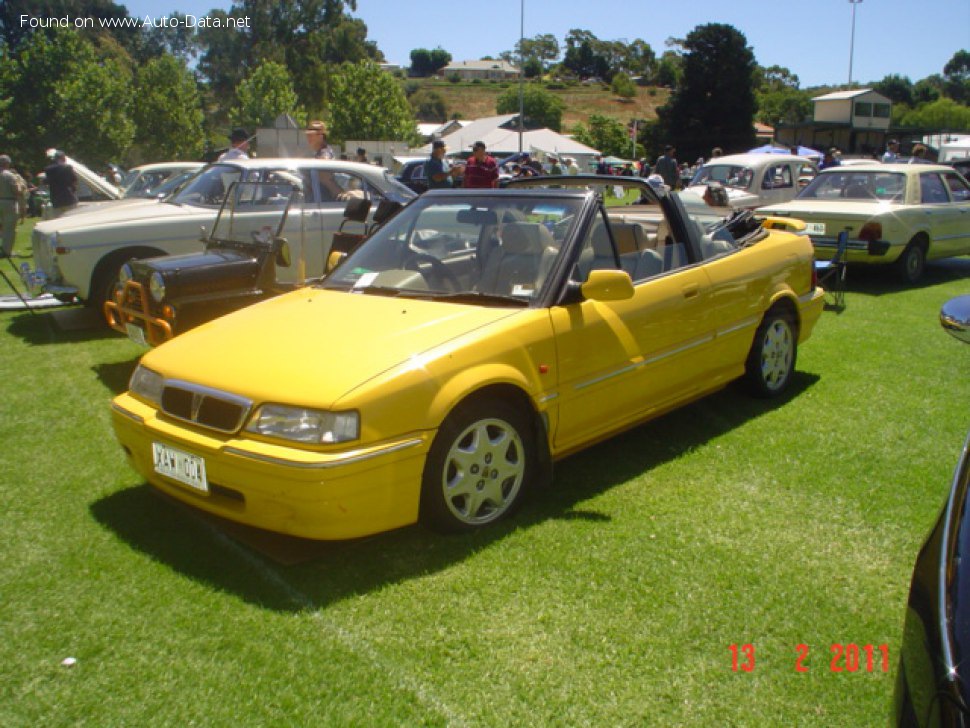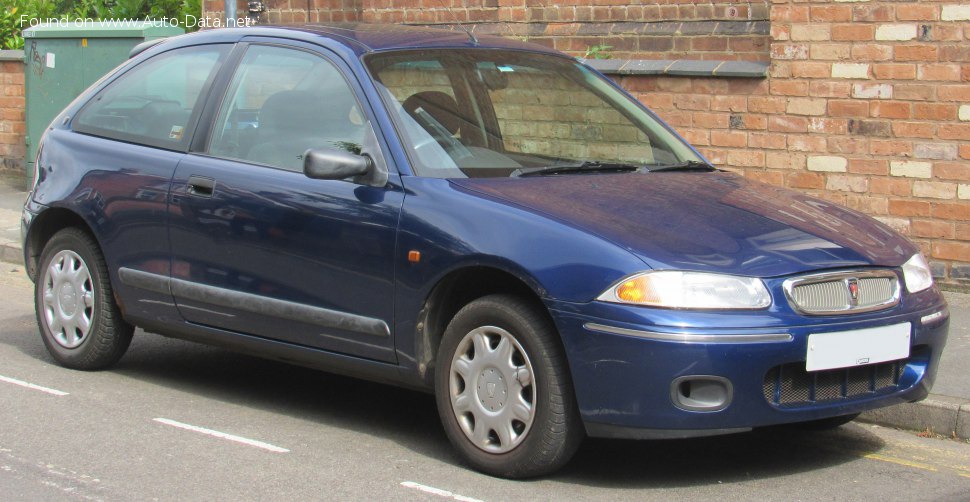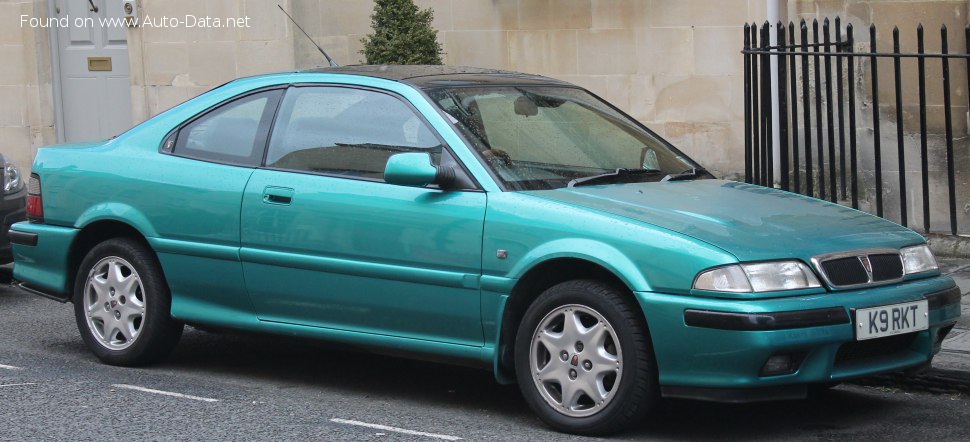
The Rover 200 Coupe (XW) 216i, produced between 1994 and 2000, represented a sporty and more stylish iteration of the Rover 200 series. Positioned as a mid-range offering within the coupe lineup, it bridged the gap between the base models and the more performance-oriented variants. Built on the 1HX0/A3 platform shared with the Honda Civic and Concerto, the 216i aimed to provide a balance of affordability, practicality, and a degree of driving enjoyment, appealing to buyers seeking a compact coupe with a touch of British flair. This variant was particularly popular in the UK and European markets.
Rover 200 Coupe (XW) 216i: An Overview
The XW series Rover 200 Coupe was a significant departure from the earlier, more boxy 200 models. The coupe body style, designed by Rover’s in-house team, offered a sleeker profile and a more modern aesthetic. The 216i trim level specifically denoted the engine displacement and power output, signifying a 1.6-liter, fuel-injected engine producing 111 horsepower. This model aimed to attract buyers who desired a step up in performance from the base 1.4-liter models, without the higher price tag and more focused driving experience of the V6 variants.
Powertrain & Engine Architecture
At the heart of the 216i Coupe lay the 16K4F engine, a 1.6-liter inline-four cylinder gasoline engine. This engine was part of the Rover K-Series family, known for its lightweight construction and relatively high power output for its size. The 16K4F featured a multi-port fuel injection system, delivering fuel directly into the intake ports for improved combustion efficiency. The engine employed a double overhead camshaft (DOHC) valvetrain with four valves per cylinder, contributing to its enhanced breathing and power delivery. Compression ratio was set at 10.5:1.
The engine produced 111 hp at 6000 rpm and 145 Nm (106.95 lb-ft) of torque at 3000 rpm. While not a powerhouse, this output provided adequate performance for everyday driving and spirited cruising. The engine’s power-to-weight ratio was 9.7 kg/hp, and the torque-to-weight ratio was 7.4 kg/Nm. The 16K4F engine had a displacement of 1588 cm³ (96.91 cu. in.), with a bore of 80 mm (3.15 in.) and a stroke of 79 mm (3.11 in.). Engine oil capacity was 4.5 liters (4.76 US qt / 3.96 UK qt), and the recommended coolant capacity was 5.5 liters (5.81 US qt / 4.84 UK qt).
Driving Characteristics
The Rover 200 Coupe 216i offered a comfortable and reasonably engaging driving experience. Acceleration from 0 to 62 mph (0-100 km/h) took approximately 9.5 seconds, with a top speed of 195 km/h (121.17 mph). While these figures weren’t groundbreaking, they were competitive within its class. The engine delivered a smooth power band, making it easy to drive in urban environments and on the open road. Compared to the base 1.4-liter models, the 216i provided noticeably more punch, particularly during overtaking maneuvers. However, it lacked the outright performance and sharper handling of the higher-spec V6 versions.
The five-speed manual transmission offered precise shifts and contributed to the overall driving enjoyment. The gear ratios were well-matched to the engine’s characteristics, providing adequate acceleration in each gear. The front-wheel-drive configuration offered predictable handling, although it wasn’t as dynamically engaging as rear-wheel-drive alternatives. The suspension, tuned for comfort, absorbed bumps and imperfections in the road surface effectively, providing a relatively smooth ride.
Equipment & Trim Levels
The 216i Coupe typically came equipped with a reasonable level of standard features. Interior upholstery consisted of cloth seats, although leather options were available as upgrades. The dashboard featured a straightforward layout with easy-to-read gauges. Standard equipment included power steering, central locking, and an AM/FM radio. Optional extras included air conditioning, electric windows, and an upgraded sound system. The 216i trim often featured body-colored bumpers and door handles, adding to its more refined appearance compared to the base models.
The interior space was adequate for a coupe, offering comfortable seating for two adults in the front and limited space for passengers in the rear. Trunk space ranged from 300 liters (10.59 cu. ft.) with the rear seats up to 610 liters (21.54 cu. ft.) with the rear seats folded down, providing reasonable practicality for everyday use.
Chassis & Braking
The Rover 200 Coupe 216i utilized a front-wheel-drive chassis with independent wishbone suspension at the front and a coil spring suspension at the rear. This setup provided a good balance of ride comfort and handling. The front brakes were discs, offering good stopping power, while the rear brakes were drums, a cost-saving measure common in this class of vehicle. Anti-lock braking system (ABS) was included as standard, enhancing safety and control during emergency braking situations. The steering system was a rack and pinion type with hydraulic power assistance, providing light and precise steering feel. Tire size was typically 185/55 R15.
Market Reception & Comparison
The Rover 200 Coupe 216i was generally well-received by automotive critics. It was praised for its stylish design, comfortable ride, and reasonable performance. However, some critics noted that it lacked the dynamic flair of its rivals, such as the Peugeot 306 Coupe or the Ford Escort Cosworth. Fuel economy was respectable, with combined fuel consumption figures of around 7.9 l/100 km (29.8 US mpg / 35.8 UK mpg / 12.7 km/l).
Compared to the other trims in the Rover 200 Coupe lineup, the 216i offered a compelling balance of price and performance. The base 1.4-liter models were more affordable but lacked the power and refinement of the 216i. The V6 variants offered significantly more performance but came at a higher price point. The 216i, therefore, appealed to buyers who wanted a stylish and capable coupe without breaking the bank.
Technical Specifications
| Brand | Rover |
| Model | 200 |
| Generation | 200 Coupe (XW) |
| Type (Engine) | 216i (111 Hp) |
| Start of production | 1994 |
| End of production | 2000 |
| Fuel consumption (urban) | 10 l/100 km (23.5 US mpg / 28.2 UK mpg / 10 km/l) |
| Fuel consumption (extra urban) | 5.8 l/100 km (40.6 US mpg / 48.7 UK mpg / 17.2 km/l) |
| Fuel consumption (combined) | 7.9 l/100 km (29.8 US mpg / 35.8 UK mpg / 12.7 km/l) |
| Fuel Type | Petrol (Gasoline) |
| Acceleration 0 – 100 km/h | 9.5 sec |
| Acceleration 0 – 62 mph | 9.5 sec |
| Acceleration 0 – 60 mph | 9 sec |
| Maximum speed | 195 km/h (121.17 mph) |
| Weight-to-power ratio | 9.7 kg/Hp |
| Weight-to-torque ratio | 7.4 kg/Nm |
| Power | 111 Hp @ 6000 rpm |
| Torque | 145 Nm @ 3000 rpm (106.95 lb.-ft. @ 3000 rpm) |
| Engine layout | Front, Transverse |
| Engine Model/Code | 16K4F |
| Engine displacement | 1588 cm3 (96.91 cu. in.) |
| Number of cylinders | 4 |
| Engine configuration | Inline |
| Cylinder Bore | 80 mm (3.15 in.) |
| Piston Stroke | 79 mm (3.11 in.) |
| Compression ratio | 10.5:1 |
| Number of valves per cylinder | 4 |
| Fuel injection system | Multi-port manifold injection |
| Engine aspiration | Naturally aspirated |
| Valvetrain | DOHC |
| Engine oil capacity | 4.5 l (4.76 US qt | 3.96 UK qt) |
| Coolant | 5.5 l (5.81 US qt | 4.84 UK qt) |
| Kerb Weight | 1080 kg (2380.99 lbs.) |
| Trunk (boot) space – minimum | 300 l (10.59 cu. ft.) |
| Trunk (boot) space – maximum | 610 l (21.54 cu. ft.) |
| Fuel tank capacity | 55 l (14.53 US gal | 12.1 UK gal) |
| Length | 4270 mm (168.11 in.) |
| Width | 1680 mm (66.14 in.) |
| Height | 1370 mm (53.94 in.) |
| Wheelbase | 2550 mm (100.39 in.) |
| Drive wheel | Front wheel drive |
| Number of gears and type of gearbox | 5 gears, manual transmission |
Legacy
The Rover 200 Coupe 216i, while not a particularly rare or highly sought-after classic, holds a nostalgic appeal for many enthusiasts. The K-Series engine, while prone to head gasket failures if not properly maintained, is generally considered a reliable unit. Today, examples of the 216i Coupe are relatively affordable on the used car market, making them an accessible entry point for those seeking a classic British coupe. However, potential buyers should be aware of the potential for age-related issues, such as corrosion and wear and tear on suspension components. The 216i remains a testament to Rover’s design flair and its ability to produce stylish and enjoyable cars that appealed to a broad range of buyers.