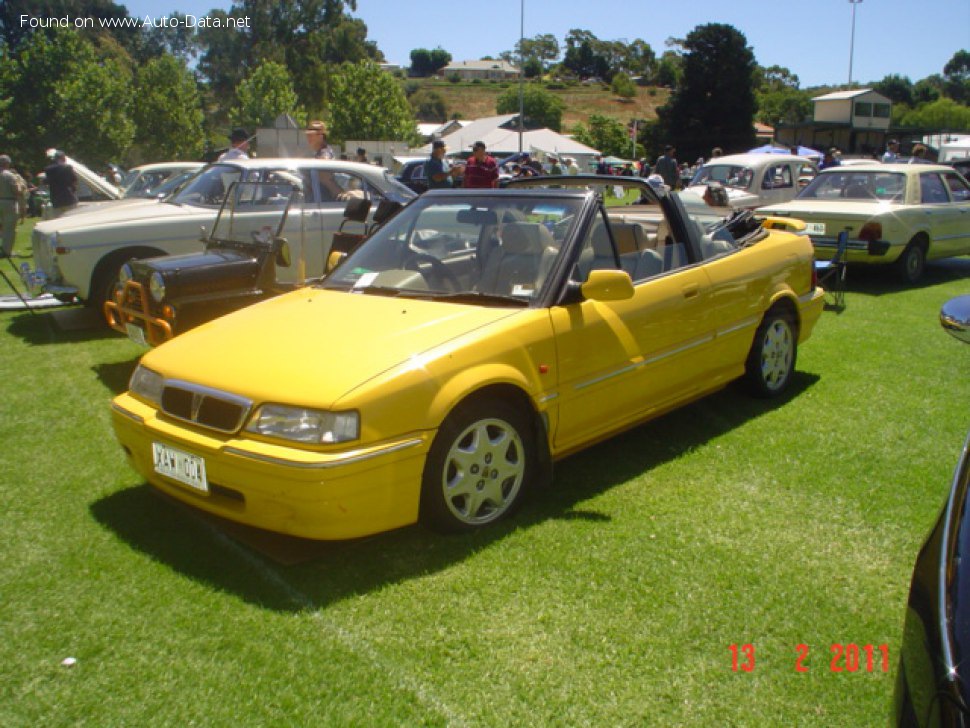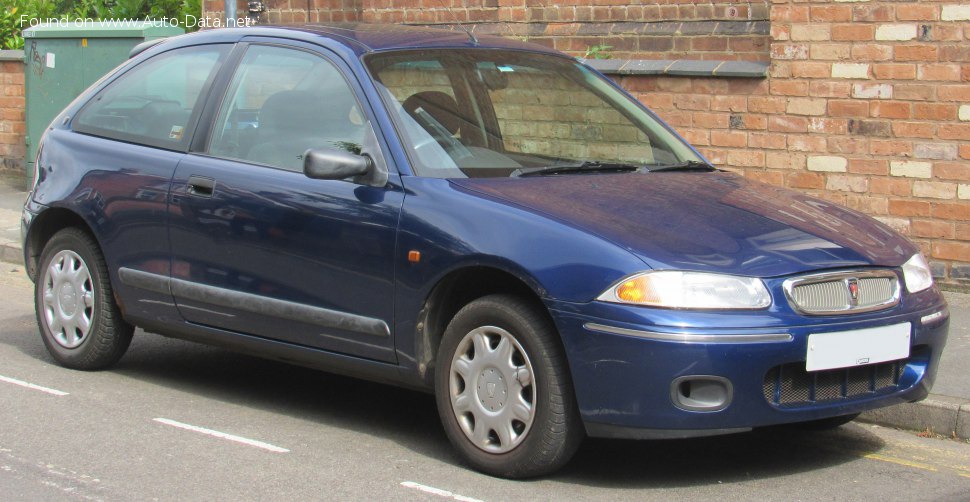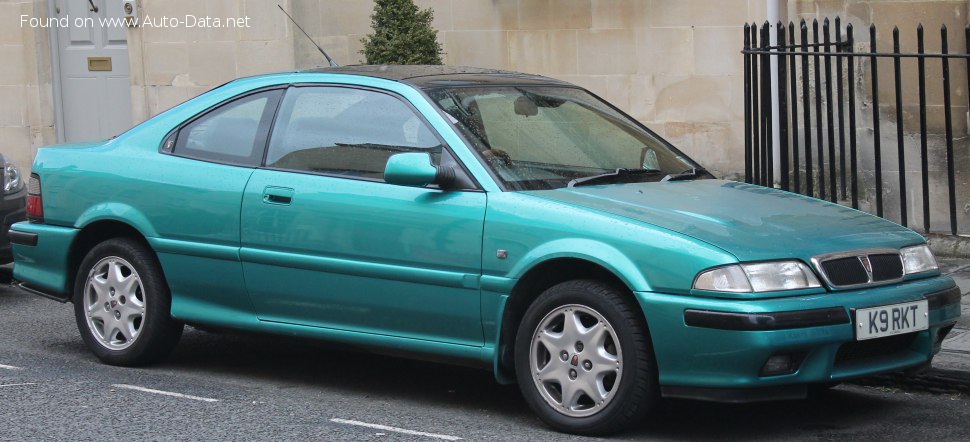
The Rover 200 Coupe (XW) 220 Turbo, produced between 1992 and 1995, represented the performance flagship of the XW coupe range. Based on the Rover 200 (R8) platform – a collaboration with Honda resulting in the 1HX0/A3 architecture – the 220 Turbo aimed to deliver a sporty and engaging driving experience within the compact coupe segment. It occupied the premium position within the 200 Coupe lineup, offering significantly more power and performance than the naturally aspirated 1.4 and 1.6-liter models. The 220 Turbo was a relatively short-lived model, but it remains a notable example of Rover’s attempts to create a genuinely exciting and competitive vehicle.
Powertrain & Engine Architecture
The heart of the 220 Turbo is the M16E 2.0-liter inline four-cylinder engine, significantly enhanced with a Garrett T25 turbocharger and intercooler. This engine, internally designated as a ‘220’ variant, produced 200 horsepower at 6100 rpm and 237 Nm (174.8 lb-ft) of torque at 2100 rpm. The engine featured multi-port fuel injection and a double overhead camshaft (DOHC) valvetrain with four valves per cylinder. The compression ratio was set at 8.5:1, a compromise between performance and reliability when utilizing forced induction. The engine’s bore and stroke measured 84.5 mm (3.33 in) and 88.9 mm (3.5 in) respectively, resulting in a displacement of 1994 cm³ (121.68 cu. in).
Power was delivered to the front wheels through a five-speed manual transmission, the only gearbox option available for the 220 Turbo. This transmission was chosen to handle the increased torque output and provide a more direct connection to the engine. The drivetrain architecture is a conventional front-wheel-drive layout, with the engine mounted transversely.
Engine Codes & Variations
While the core M16E engine was used across several Rover models, the 220 Turbo’s specification was unique due to the turbocharging system and associated engine management calibrations. There were no significant variations within the 220 Turbo’s production run, maintaining a consistent power output throughout its lifespan. The engine management system was specifically tuned to optimize performance and minimize turbo lag.
Driving Characteristics
The Rover 200 Coupe 220 Turbo offered a noticeably different driving experience compared to its naturally aspirated siblings. The turbocharger provided a significant boost in power, resulting in a 0-60 mph acceleration time of approximately 6.3 seconds and a top speed of 149.13 mph (240 km/h). While not groundbreaking by modern standards, these figures were competitive for a front-wheel-drive coupe in the early 1990s. The power delivery was characterized by a slight turbo lag at lower engine speeds, followed by a strong surge of acceleration as the turbo spooled up. The five-speed manual transmission allowed drivers to effectively manage the power and keep the engine within its optimal operating range. Compared to the 1.4 and 1.6-liter models, the 220 Turbo demanded more driver involvement and offered a more rewarding, albeit less refined, driving experience.
The front-wheel-drive configuration, while contributing to the car’s relatively affordable price point, could also lead to torque steer under hard acceleration. Experienced drivers could manage this, but it was a characteristic that required awareness.
Equipment & Trim Levels
The 220 Turbo was generally well-equipped, reflecting its position as the range-topping model. Standard features included power steering, ABS anti-lock brakes, alloy wheels, and a comprehensive instrument cluster. Interior appointments typically featured sports seats upholstered in a combination of cloth and leather, and a leather-wrapped steering wheel. The dashboard layout was similar to other 200 Coupe models, but the 220 Turbo often featured unique trim details and badging. Optional extras included a sunroof, upgraded audio system, and metallic paint finishes. The interior, while functional, was not overly luxurious, focusing instead on a sporty and driver-focused environment.
Chassis & Braking
The 200 Coupe’s chassis utilized independent wishbone suspension at the front and a coil spring setup at the rear. The suspension was tuned to provide a balance between ride comfort and handling performance. The 220 Turbo benefited from slightly stiffer springs and dampers compared to the lower-spec models, contributing to reduced body roll and improved cornering stability. Braking duties were handled by ventilated discs at the front and solid discs at the rear. The ABS system provided enhanced braking control, particularly in adverse conditions. The tires were typically 195/55 ZR 15, providing adequate grip for the car’s performance capabilities.
Market Reception & Comparison
The Rover 200 Coupe 220 Turbo received generally positive reviews from automotive critics. It was praised for its strong performance, engaging handling, and relatively affordable price. However, some reviewers noted the presence of turbo lag and torque steer, as well as the somewhat basic interior appointments. Compared to rivals such as the Peugeot 309 GTI and the Ford Escort RS2000, the 220 Turbo offered a compelling combination of performance and value. Fuel economy was rated at 8.4 l/100 km (28 US mpg, 33.6 UK mpg), which was reasonable for a performance coupe of that era. Reliability was generally considered to be acceptable, although the turbocharger added a layer of complexity that could potentially lead to maintenance issues.
Technical Specifications
| Brand | Rover |
| Model | 200 |
| Generation | 200 Coupe (XW) |
| Type (Engine) | 220 Turbo (200 Hp) |
| Start of production | 1992 |
| End of production | 1995 |
| Body type | Coupe |
| Seats | 4 |
| Doors | 2 |
| Fuel consumption (combined) | 8.4 l/100 km |
| Fuel Type | Petrol (Gasoline) |
| Acceleration 0 – 100 km/h | 6.6 sec |
| Acceleration 0 – 62 mph | 6.6 sec |
| Acceleration 0 – 60 mph | 6.3 sec |
| Maximum speed | 240 km/h (149.13 mph) |
| Weight-to-power ratio | 5.9 kg/Hp |
| Weight-to-torque ratio | 5 kg/Nm |
| Power | 200 Hp @ 6100 rpm |
| Torque | 237 Nm @ 2100 rpm (174.8 lb.-ft. @ 2100 rpm) |
| Engine layout | Front, Transverse |
| Engine displacement | 1994 cm3 (121.68 cu. in.) |
| Number of cylinders | 4 |
| Engine configuration | Inline |
| Cylinder Bore | 84.5 mm (3.33 in.) |
| Piston Stroke | 88.9 mm (3.5 in.) |
| Compression ratio | 8.5:1 |
| Number of valves per cylinder | 4 |
| Fuel injection system | Multi-port manifold injection |
| Engine aspiration | Turbocharger |
| Valvetrain | DOHC |
| Kerb Weight | 1185 kg (2612.48 lbs.) |
| Max. weight | 1650 kg (3637.63 lbs.) |
| Trunk (boot) space | 299 l (10.56 cu. ft.) |
| Fuel tank capacity | 55 l (14.53 US gal | 12.1 UK gal) |
| Length | 4270 mm (168.11 in.) |
| Width | 1680 mm (66.14 in.) |
| Height | 1370 mm (53.94 in.) |
| Wheelbase | 2550 mm (100.39 in.) |
| Number of gears | 5 |
| Gearbox type | Manual transmission |
Legacy
The Rover 200 Coupe 220 Turbo, while not a massive sales success, has gained a cult following among enthusiasts. The M16E engine, when properly maintained, proved to be relatively durable, although the turbocharger remains a potential weak point. Today, well-preserved examples of the 220 Turbo are becoming increasingly collectible. The car represents a unique chapter in Rover’s history, showcasing the company’s ability to produce a genuinely sporty and engaging vehicle. Its relatively low production numbers and distinctive styling contribute to its appeal in the used car market, where it is often sought after by those looking for a classic 1990s coupe with a performance edge.