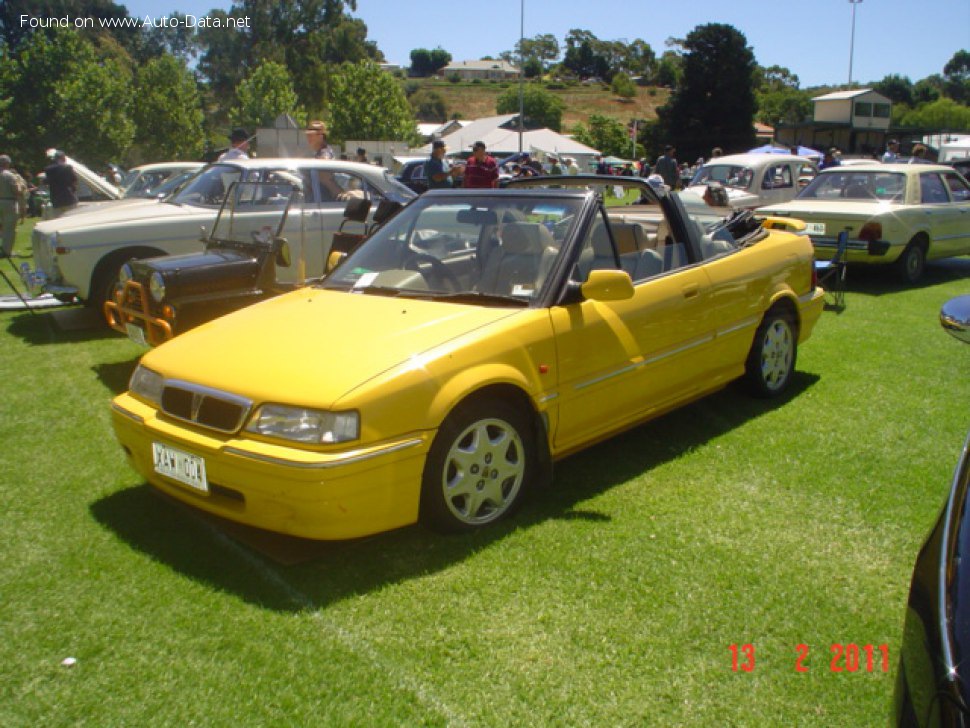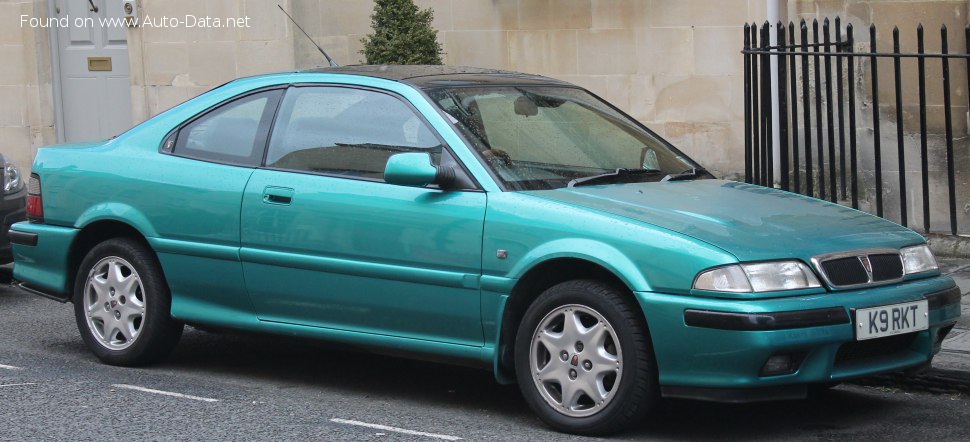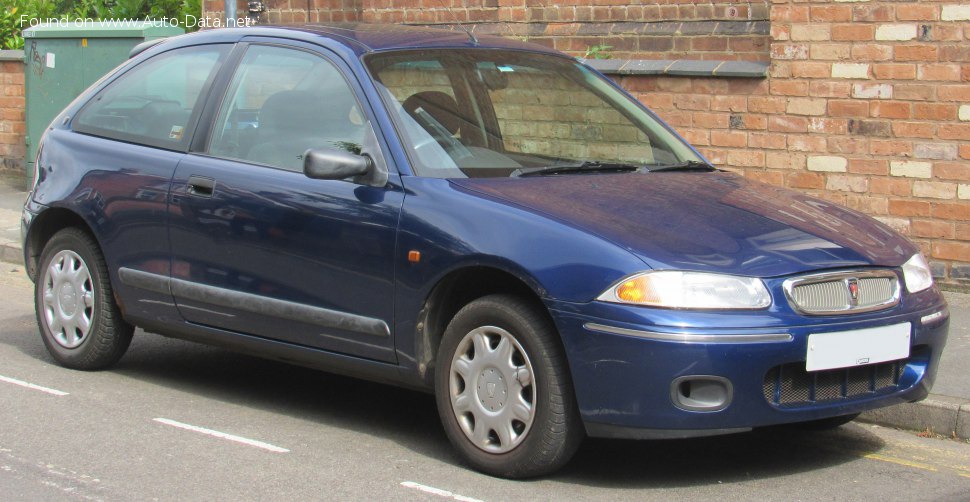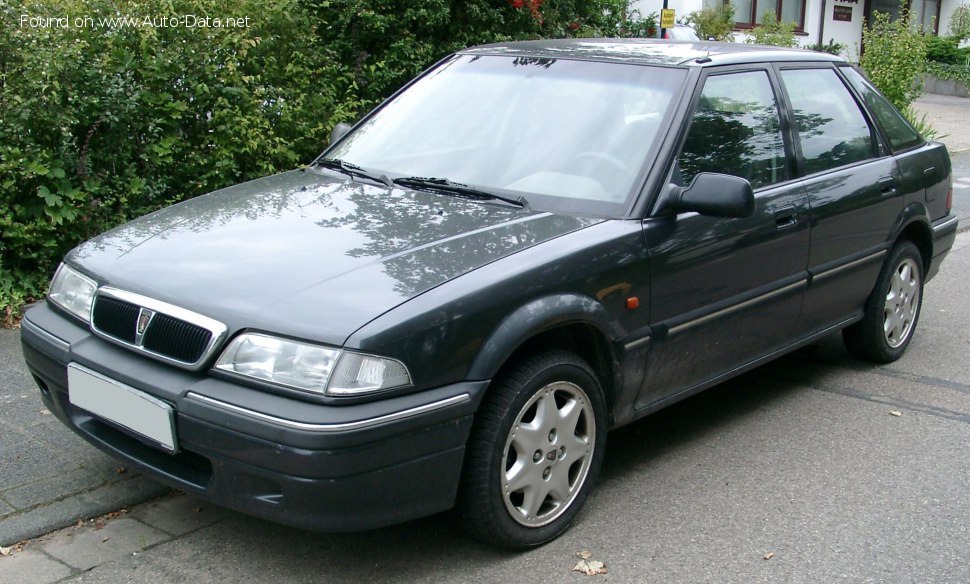
The Rover 200 (XH) 213 S, produced between 1985 and 1989, represented the entry-level variant of the XH series Rover 200. Positioned as an affordable and economical family sedan, the 213 S utilized a 1.3-liter engine producing 75 horsepower. It was a key model in Rover’s lineup during a period of significant change for the British automaker, serving as a stepping stone into the range above the more basic models. The XH series, based on the Honda Civic platform due to British Leyland’s partnership with Honda, aimed to provide a modern and reliable alternative to other compact sedans available in the European market.
Rover 200 (XH) 213 S: An Overview
The Rover 200 XH series was a significant departure for Rover, moving away from the traditionally boxy designs of previous models. The collaboration with Honda resulted in a more streamlined and contemporary aesthetic. The 213 S, being the base model, was designed for buyers prioritizing fuel efficiency and low running costs over outright performance. It was a popular choice for first-time car buyers, families, and those seeking a dependable daily driver. The XH platform, also known as the A3 platform in some contexts, provided a solid foundation for the 200 series, offering improved handling and ride quality compared to its predecessors.
Powertrain & Engine Architecture
The heart of the 213 S was the EV2 engine, a 1.3-liter inline four-cylinder petrol engine. This engine, while not particularly powerful, was known for its reliability and fuel economy. The EV2 produced 75 horsepower at a relatively high engine speed, and approximately 84 lb-ft of torque. Crucially, the 213 S was *only* offered with a 5-speed manual transmission during its production run. There was no automatic transmission option available for this specific variant. The engine featured a single overhead camshaft (OHC) valvetrain with three valves per cylinder – two intake and one exhaust – a design intended to improve breathing and efficiency. Fuel delivery was managed by a carburetor, a relatively simple and cost-effective system for the time. The engine was transversely mounted in the front of the vehicle, driving the front wheels.
Driving Characteristics
The driving experience in the Rover 200 213 S was characterized by its light steering and comfortable ride. Performance was modest, with acceleration from 0 to 60 mph taking around 14-15 seconds. The 5-speed manual transmission allowed drivers to keep the engine in its optimal power band, but overtaking required careful planning. The gear ratios were fairly widely spaced, prioritizing fuel economy over rapid acceleration. Compared to the higher-spec Rover 200 models equipped with larger engines (like the 2.0-liter variants), the 213 S felt noticeably slower and less refined. However, its nimble handling and predictable behavior made it an enjoyable car to drive around town. The relatively low weight of the vehicle helped to mitigate the lack of horsepower.
Equipment & Trim Levels
As the entry-level model, the 213 S was equipped with a fairly basic level of standard equipment. Interior upholstery was typically cloth, available in a range of muted colors. The dashboard featured a simple layout with analog gauges for speed, fuel level, coolant temperature, and a basic clock. Standard features included a four-spoke steering wheel, manually adjustable seats, and a basic AM/FM radio. Optional extras included a sunroof, upgraded stereo systems, and central locking. The trim level was distinguished by minimal exterior badging, typically just the “213 S” designation on the rear. The focus was on providing a functional and affordable vehicle, rather than luxury or extensive features.
Chassis & Braking
The Rover 200 XH utilized a torsion beam rear suspension, a cost-effective and space-saving design. The front suspension consisted of independent torsion bars. This setup provided a reasonable balance between ride comfort and handling. The 213 S was equipped with disc brakes on the front wheels and drum brakes on the rear. While adequate for normal driving conditions, the braking system lacked the stopping power of the larger-engined models with optional ABS. The steering was a rack and pinion system, providing precise and responsive steering feel. The standard wheel size was 13 inches, fitted with relatively narrow tires to maximize fuel efficiency. A stabilizer bar was included at the front to reduce body roll during cornering.
Market Reception & Comparison
The Rover 200 213 S was generally well-received by critics as a practical and affordable family car. It was praised for its fuel efficiency, comfortable ride, and reliable engine. However, it was also criticized for its lack of power and basic interior. Compared to rivals such as the Ford Escort and Vauxhall Astra, the 213 S offered a more refined driving experience and a more modern design, thanks to its Honda-derived platform. Fuel economy was competitive for the time, averaging around 35-40 mpg in mixed driving conditions. Reliability was generally good, although the carburetor required periodic adjustment and maintenance. The 213 S represented a good value proposition for buyers seeking a dependable and economical sedan.
Technical Specifications
| Body Type | Sedan, 4 Doors, 5 Seats |
| Engine Displacement | 1.3 l / 1300 cm3 / 79.33 cu. in. |
| Engine Model/Code | EV2 |
| Number of Cylinders | 4, Inline |
| Fuel Type | Petrol (Gasoline) |
| Power | 75 Hp |
| Power per Litre | 57.7 Hp/l |
| Torque | 84 lb-ft (approximate) |
| Valvetrain | OHC, 3 valves per cylinder |
| Fuel Injection System | Carburettor |
| Engine Aspiration | Naturally Aspirated |
| Drivetrain | Front Wheel Drive |
| Transmission | 5-speed Manual |
| Front Suspension | Torsion Bars |
| Rear Suspension | Torsion Beam |
| Front Brakes | Disc |
| Rear Brakes | Drum |
| Maximum Speed | 170 km/h / 105.63 mph |
| Production Years | 1985 – 1989 |
Legacy
The Rover 200 (XH) 213 S, while not a performance icon, holds a significant place in Rover’s history. The EV2 engine proved to be a durable and reliable unit, and many examples are still on the road today. The XH platform, despite its origins in a Honda Civic, provided Rover with a much-needed modern foundation. In the used car market, the 213 S remains an affordable and accessible classic, appealing to enthusiasts and those seeking a simple, dependable vehicle. Parts availability can be a challenge, but a dedicated community of Rover owners and specialists helps to keep these cars running. The 213 S represents a snapshot of British automotive engineering in the 1980s, a period of transition and collaboration.