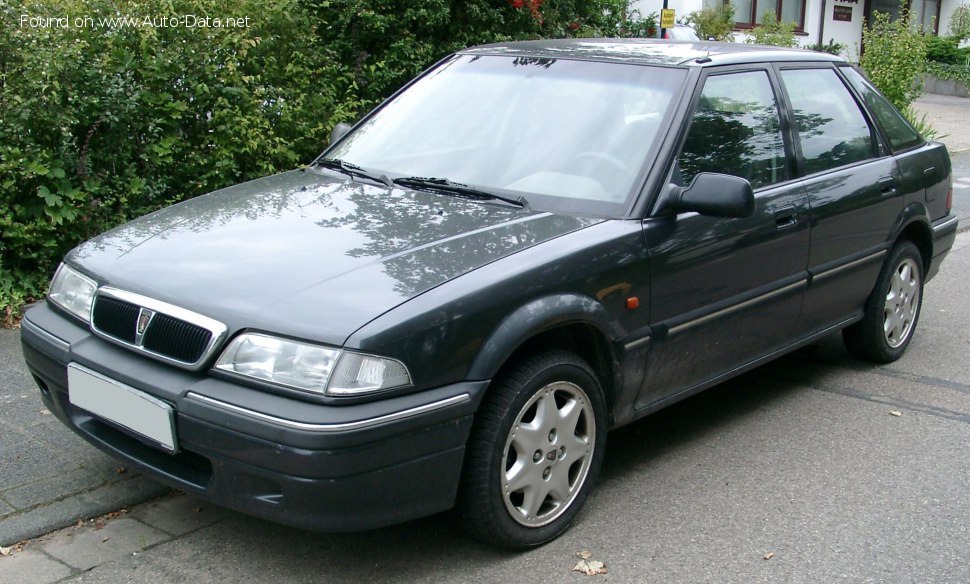
The Rover 200 (XH) 216 Vitesse, produced between 1985 and 1989, represented the upper echelon of performance within the XH series Rover 200 lineup. Positioned as the premium trim level, the 216 Vitesse offered a more powerful engine and a generally more refined experience compared to the base 200 and mid-range 216 models. The XH series itself was a significant update to the earlier SD3 Rover 200, built on a modified version of the Honda Accord platform (following British Leyland’s partnership with Honda), and aimed to provide a more modern and competitive offering in the small family car segment. The 216 Vitesse specifically targeted buyers seeking a blend of comfort, style, and respectable performance, though it wasn’t positioned as a direct competitor to outright sporting saloons.
Rover 200 XH 216 Vitesse: Powertrain and Engine Architecture
The heart of the 216 Vitesse was the M-Series 16-valve, 2.0-liter (1994cc) naturally aspirated inline-four cylinder engine. While sharing the basic block architecture with the lower-powered 2.0-liter engines found in other 200 variants, the Vitesse engine benefited from a cylinder head featuring two overhead camshafts and four valves per cylinder, significantly improving breathing and power output. This configuration allowed for a higher compression ratio (typically around 9.0:1) and a more aggressive camshaft profile. The engine code is generally identified as M16E. Fuel delivery was managed by a Bosch K-Jetronic mechanical fuel injection system, a technology common for the era, known for its reliability but less precise than later electronic fuel injection systems.
The engine’s valvetrain employed hydraulic lifters, reducing the need for frequent valve adjustments. Lubrication was provided by a conventional wet-sump system. The 216 Vitesse was exclusively offered with a three-speed automatic transmission, a Borg-Warner unit. This transmission, while providing convenience, was not known for its particularly quick shifts or fuel efficiency compared to the available five-speed manual gearbox found in other 200 models. The automatic transmission featured a torque converter, providing smooth engagement and multiplication of engine torque at lower speeds. The final drive ratio varied slightly depending on the specific year and market, but generally fell around 3.92:1.
Transmission Details and Gear Ratios
The Borg-Warner automatic transmission used in the 216 Vitesse was a relatively robust unit for its time, but it lacked the sophistication of more modern automatic gearboxes. The gear ratios were as follows (approximate): First gear: 2.8:1, Second gear: 1.6:1, Third gear: 1.0:1, Reverse: 2.1:1. These ratios were geared more towards comfortable cruising than outright acceleration. The transmission’s shift points were governed by a vacuum modulator and throttle position, offering a relatively smooth but not particularly sporty driving experience.
Driving Characteristics
The Rover 200 216 Vitesse, with its 102 horsepower and 118 lb-ft of torque, offered a noticeable step up in performance compared to the base 200 models. Acceleration from 0 to 60 mph was typically around 10.5-11.5 seconds, depending on testing conditions and vehicle load. While not a sports car by any means, the Vitesse provided sufficient power for comfortable overtaking and highway cruising. The automatic transmission, however, did detract from the overall driving experience. The relatively slow shift times and lack of manual control meant that the engine often felt strained during hard acceleration. Compared to the five-speed manual versions of the 216, the automatic Vitesse felt noticeably slower and less engaging. The suspension, while comfortable, was tuned more for ride quality than handling precision. Body roll was evident in corners, and the steering lacked the feedback of more sporting saloons.
Equipment & Trim Levels
The 216 Vitesse was the most well-equipped variant of the Rover 200 XH. Standard features included central locking, electric front windows, a trip computer, and upgraded interior trim. The interior typically featured cloth upholstery with a patterned design, and a wood veneer finish on the dashboard. The Vitesse also received a more comprehensive instrument cluster with additional gauges. Optional extras included a sunroof, upgraded stereo systems, and leather upholstery. The exterior was distinguished by chrome trim around the windows and on the grille, and often featured alloy wheels, though steel wheels with hubcaps were also available. The Vitesse trim level aimed to provide a premium feel, appealing to buyers who valued comfort and convenience over outright performance.
Chassis & Braking
The Rover 200 XH utilized a MacPherson strut front suspension and a twist-beam rear suspension. The Vitesse trim did not receive any significant suspension upgrades compared to other 200 models. The braking system consisted of disc brakes on the front wheels and drum brakes on the rear wheels. The front discs were typically around 245mm in diameter. Power assistance was provided by a vacuum servo. The braking performance was adequate for the vehicle’s weight and power output, but lacked the stopping power of more modern braking systems. Stabilizer bars were fitted to both the front and rear axles, helping to reduce body roll during cornering.
Market Reception & Comparison
The Rover 200 216 Vitesse was generally well-received by automotive critics as a comfortable and refined small family car. However, the automatic transmission was often criticized for its sluggishness and lack of responsiveness. Compared to rivals such as the Ford Escort and Vauxhall Astra, the Rover 200 offered a more luxurious interior and a more comfortable ride, but lacked the same level of sporting prowess. Fuel economy was reasonable for the time, averaging around 25-30 mpg in mixed driving conditions. Reliability was generally good, although the Bosch K-Jetronic fuel injection system could be prone to issues if not properly maintained. The Vitesse trim commanded a premium price over the base 200 and 216 models, reflecting its higher level of equipment and more powerful engine.
Technical Specifications
| Engine Type | Inline-Four, Naturally Aspirated |
| Engine Displacement | 1994cc (2.0 liters) |
| Horsepower | 102 hp @ 5500 rpm |
| Torque | 118 lb-ft @ 3500 rpm |
| Fuel System | Bosch K-Jetronic Mechanical Fuel Injection |
| Transmission | Three-Speed Automatic (Borg-Warner) |
| Drivetrain | Front-Wheel Drive |
| Front Suspension | MacPherson Strut |
| Rear Suspension | Twist-Beam |
| Front Brakes | Disc |
| Rear Brakes | Drum |
| Curb Weight | Approximately 2400 lbs (1089 kg) |
| 0-60 mph | 10.5 – 11.5 seconds (approximate) |
| Fuel Economy (Combined) | 25-30 mpg |
Legacy
The Rover 200 XH 216 Vitesse, while not a particularly rare or highly sought-after classic, holds a place in automotive history as a representative of British Leyland’s efforts to produce a competitive small family car. The M-Series engine, in its various iterations, proved to be a relatively durable and reliable powerplant. However, the Bosch K-Jetronic fuel injection system requires regular maintenance to prevent issues. Today, surviving examples of the 216 Vitesse are relatively scarce, and well-maintained cars are becoming increasingly collectible. The automatic transmission, while offering convenience, is often considered a drawback by enthusiasts. The car’s comfortable ride, refined interior, and relatively simple mechanical design continue to appeal to classic car enthusiasts seeking a nostalgic driving experience. Parts availability can be challenging, but a dedicated network of Rover enthusiasts and specialist suppliers exists to support owners of these classic vehicles.