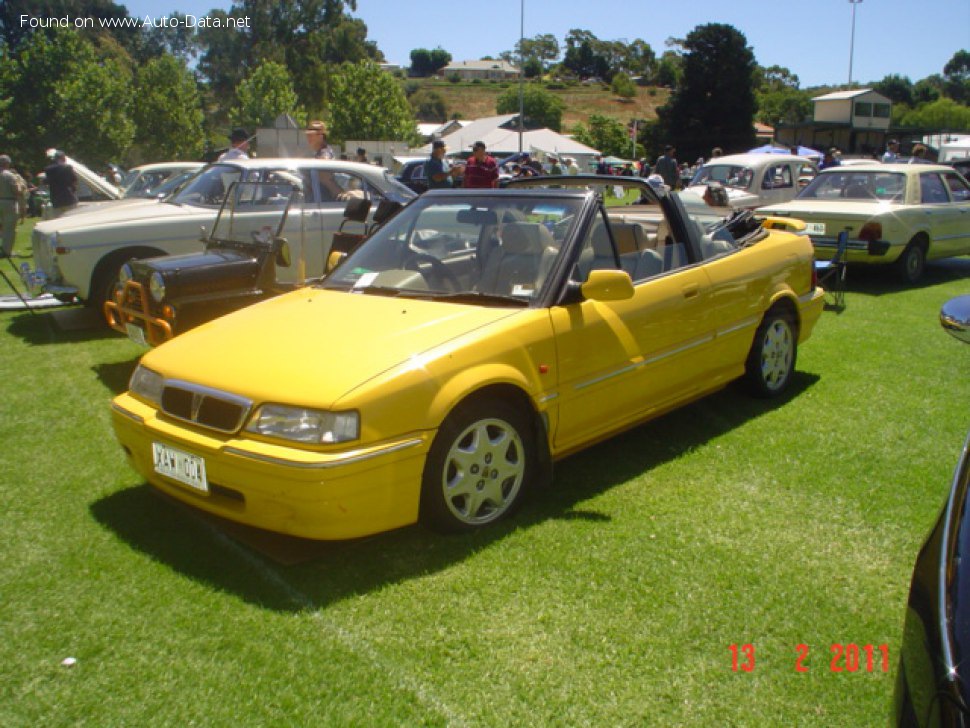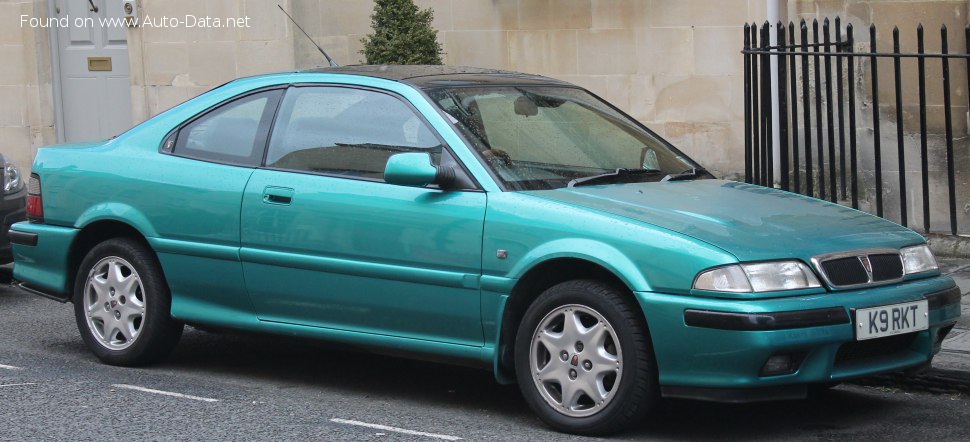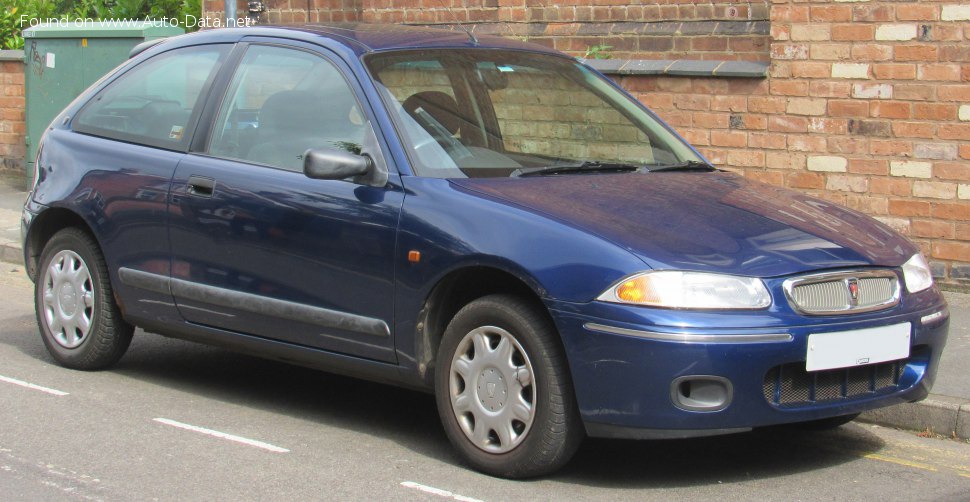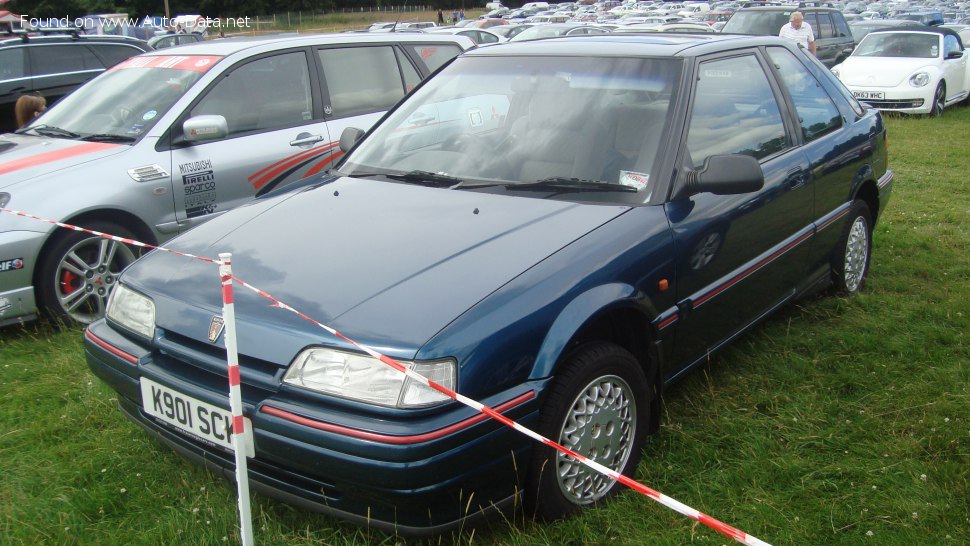
The Rover 200 (XW), produced between 1990 and 1995, represented a significant step forward for Rover in the small family car segment. Within the XW series, the 214 GSi and Si models, powered by a 95 horsepower engine and typically equipped with an automatic transmission in the US market (though manual options existed elsewhere), occupied a middle-ground position in the lineup. Positioned above the base 114 models and below the more performance-oriented 220 variants, the 214 GSi/Si aimed to offer a balance of comfort, practicality, and reasonable performance. The XW platform was a collaborative effort with Honda, sharing significant components with the Honda Concerto and Civic, marking a period of strategic alliance for the British manufacturer. This article will focus specifically on the 214 GSi/Si variant, detailing its powertrain, driving characteristics, equipment, and market reception.
Rover 214 GSi/Si: Powertrain and Engine Architecture
The heart of the 214 GSi/Si was the M-Series engine, specifically the 1.4-liter (1396cc) naturally aspirated inline-four cylinder. While often referred to as a 1.4, the engine’s output of 95 hp (71 kW) placed it in a competitive position within its class. The engine code varied depending on the specific market and year of production, but common designations include 14K and 144. The M-Series engine was a relatively simple design, featuring a single overhead camshaft (SOHC) operating two valves per cylinder. Fuel delivery was managed by Bosch mono-point fuel injection, a system chosen for its cost-effectiveness and relative simplicity. This system, while not as sophisticated as multi-point injection found in some competitors, provided adequate fuel atomization for the engine’s output.
The automatic transmission offered with the 214 GSi/Si was a three-speed unit, sourced from Carlton. This transmission was chosen for its smoothness and ease of use, catering to buyers prioritizing comfort over outright performance. The automatic transmission’s gear ratios were geared towards fuel efficiency and relaxed cruising, rather than rapid acceleration. The transmission featured a conventional torque converter and electronic control for smoother shifts. Manual transmission options, a five-speed unit, were available in some markets and offered a more engaging driving experience, albeit at the expense of some convenience. The engine’s torque output of approximately 88 lb-ft (120 Nm) was sufficient for everyday driving, but the automatic transmission did diminish the engine’s perceived responsiveness compared to its manual counterpart.
Engine Details & Fuel System
The M-Series engine utilized a cast iron block and an aluminum cylinder head. The cylinder head design featured a relatively simple combustion chamber shape, optimized for efficient combustion with the mono-point fuel injection system. The engine’s cooling system was a conventional liquid-cooled setup with a thermostatically controlled radiator and fan. The ignition system employed a distributor-based ignition system, which was typical for vehicles of this era. The mono-point fuel injection system delivered fuel to a single injector positioned in the throttle body, distributing it to all four cylinders via the intake manifold. This system, while less precise than multi-point injection, was reliable and relatively easy to maintain.
Driving Characteristics
The Rover 214 GSi/Si with the automatic transmission offered a comfortable and predictable driving experience. Acceleration was adequate for merging onto highways and navigating city streets, but it wasn’t particularly brisk. Zero to sixty mph times were typically in the 12-14 second range, depending on vehicle load and road conditions. The automatic transmission’s shift points were programmed for smoothness and fuel economy, resulting in a somewhat leisurely pace. Compared to the manual transmission version, the automatic felt noticeably slower, particularly during overtaking maneuvers. The manual transmission allowed the engine to rev more freely, unlocking more of its potential.
The steering was light and easy, making the 214 GSi/Si easy to maneuver in tight spaces. The suspension, while not particularly sporty, provided a comfortable ride, absorbing bumps and imperfections in the road surface effectively. The car exhibited a degree of body roll in corners, but it remained stable and predictable. The overall driving experience was geared towards comfort and convenience, rather than outright performance. The 214 GSi/Si was best suited for drivers who prioritized a relaxed and hassle-free driving experience.
Equipment & Trim Levels
The 214 GSi/Si trim level offered a reasonable level of equipment as standard. Interior features typically included cloth upholstery, a basic stereo system, and power steering. The dashboard layout was functional and straightforward, with clearly labeled controls. The GSi trim generally offered slightly more features than the Si trim, such as alloy wheels and upgraded interior trim. Optional extras included a sunroof, central locking, and electric windows. Air conditioning was also available as an option, but it wasn’t a standard feature.
The exterior styling of the 214 GSi/Si was relatively understated, with a focus on practicality and functionality. The hatchback body style provided ample cargo space, making the car suitable for families and those who needed to transport larger items. The car’s paint options were typically limited to a range of solid colors and metallic finishes. The GSi trim often featured a rear spoiler and body-colored bumpers, adding a touch of sportiness to the exterior appearance.
Chassis & Braking
The Rover 200 (XW) utilized a MacPherson strut front suspension and a twist-beam rear suspension. This setup provided a good balance of ride comfort and handling. The front suspension featured coil springs and a stabilizer bar, while the rear suspension relied on leaf springs and dampers. The braking system consisted of disc brakes on the front wheels and drum brakes on the rear wheels. The braking performance was adequate for everyday driving, but it wasn’t particularly powerful. Anti-lock braking system (ABS) was available as an option on some models, enhancing braking safety.
The chassis was a monocoque construction, providing a good level of structural rigidity. The car’s weight was relatively low, contributing to its fuel efficiency and maneuverability. The steering system was a rack-and-pinion setup, providing precise and responsive steering. The tires were typically 175/70 R14 or 185/60 R14, depending on the trim level and market.
Market Reception & Comparison
The Rover 214 GSi/Si was generally well-received by critics as a practical and affordable small family car. However, it faced stiff competition from rivals such as the Ford Escort, Vauxhall Astra, and Nissan Sunny. The 214 GSi/Si’s fuel economy was comparable to its competitors, typically achieving around 30-35 mpg in mixed driving conditions. Reliability was a mixed bag, with some owners reporting issues with the M-Series engine and automatic transmission. However, the car’s relatively simple design made it relatively easy to maintain and repair.
Compared to the higher-performance 220 models, the 214 GSi/Si offered a more affordable entry point into the Rover 200 range. The 220 models featured a larger engine and more powerful performance, but they also came with a higher price tag. The 214 GSi/Si appealed to buyers who prioritized comfort, practicality, and fuel economy over outright performance. Compared to the base 114 models, the 214 GSi/Si offered more power and a higher level of equipment.
Technical Specifications
| Engine Type | Inline-4, Naturally Aspirated |
| Engine Displacement | 1396 cc (1.4 L) |
| Horsepower | 95 hp (71 kW) @ 6000 rpm |
| Torque | 88 lb-ft (120 Nm) @ 4000 rpm |
| Fuel System | Bosch Mono-Point Fuel Injection |
| Transmission | 3-Speed Automatic |
| Drivetrain | Front-Wheel Drive |
| Curb Weight | Approximately 2400 lbs (1089 kg) |
| 0-60 mph | 12-14 seconds (estimated) |
| Fuel Economy (Combined) | 30-35 mpg |
| Body Type | 5-Door Hatchback |
Legacy
The Rover 214 GSi/Si, while not a particularly iconic or groundbreaking vehicle, remains a fondly remembered car for many owners. The M-Series engine, despite its limitations, proved to be relatively durable and reliable when properly maintained. The automatic transmission, while not the most sophisticated unit, provided smooth and comfortable shifting. Today, the 214 GSi/Si is a relatively affordable classic car, appealing to enthusiasts and those seeking a nostalgic driving experience. Parts availability can be a challenge, but a dedicated community of Rover enthusiasts continues to support the preservation of these vehicles. The car represents a unique chapter in British automotive history, showcasing Rover’s collaboration with Honda and its attempt to compete in the increasingly competitive small family car segment. Well-maintained examples are becoming increasingly rare, making them a desirable find for collectors and enthusiasts alike.