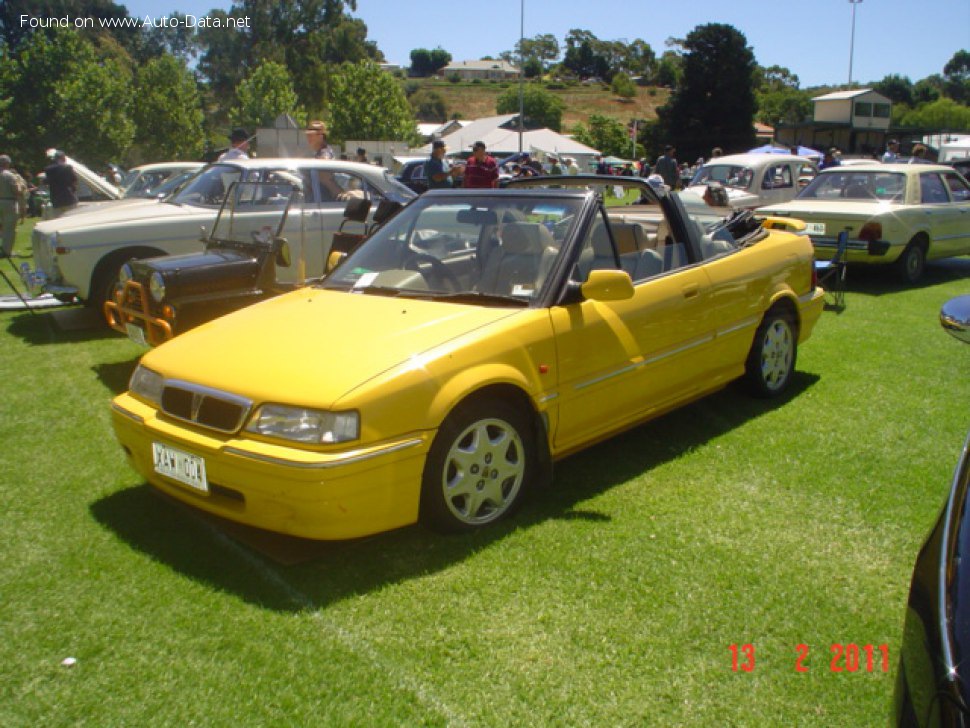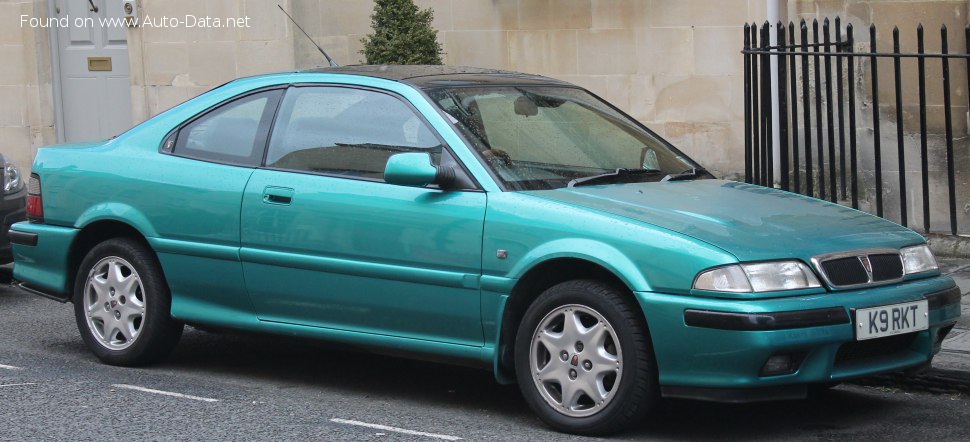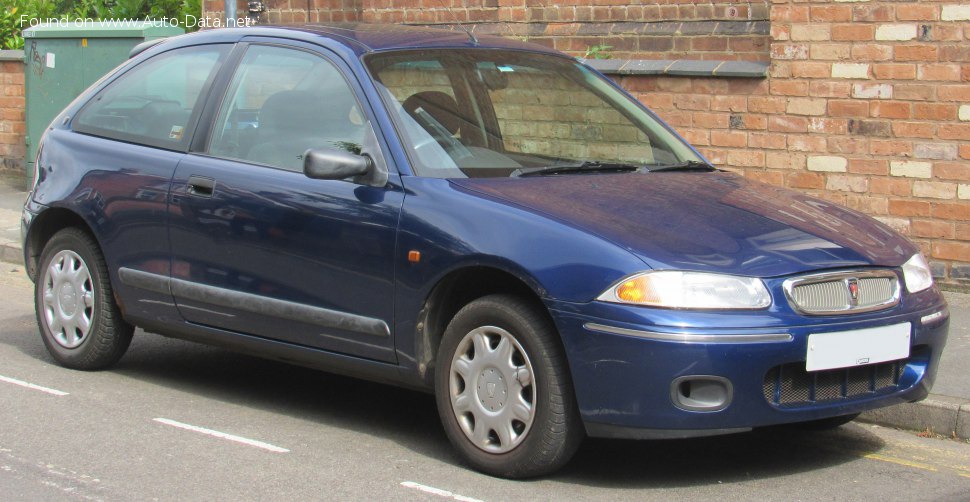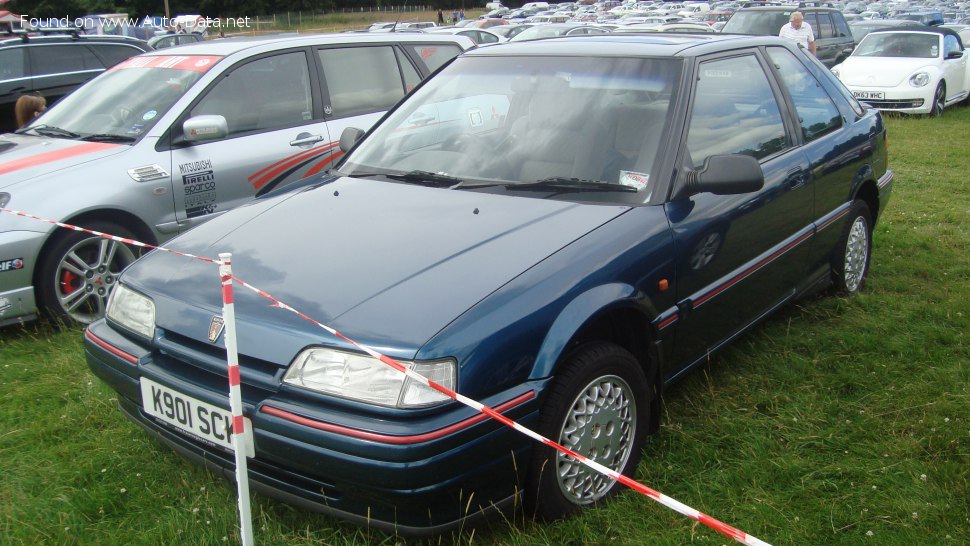
The Rover 200 (XW), produced between 1993 and 1995, represented a significant step forward for Rover in the small family car segment. The 214 i variant, equipped with a 1.4-liter engine producing 75 horsepower, served as the entry point into the 200 range. Positioned as the most affordable model, it aimed to provide economical transportation for budget-conscious buyers. The XW series was based on the Honda Concerto platform, a result of Rover’s partnership with Honda, and was available in both 3-door and 5-door hatchback configurations. This article will focus specifically on the 214 i model with its standard 5-speed manual transmission, detailing its technical specifications, performance characteristics, and market position.
Powertrain & Engine Architecture
The heart of the Rover 200 214 i is the 1.4-liter (1396 cc) inline four-cylinder engine, designated as the B14 engine series. This engine, while relatively simple in design, proved to be reasonably durable. It featured a single overhead camshaft (OHC) valvetrain operating two valves per cylinder. Fuel delivery was managed by a multi-port fuel injection system, contributing to improved fuel efficiency and smoother operation compared to earlier carbureted Rover engines. The engine’s bore and stroke measured 75mm x 79mm, resulting in a compression ratio of 9.7:1. The B14 engine produced a maximum power output of 75 hp (56 kW) at 5500 rpm and a peak torque of 117 Nm (86.29 lb-ft) at 4000 rpm. The engine was transversely mounted in the front of the vehicle, driving the front wheels.
Transmission
The standard transmission for the 214 i was a 5-speed manual gearbox. This gearbox was sourced from Honda, reflecting the collaborative engineering between the two manufacturers. The gear ratios were tuned for economy and everyday drivability rather than outright performance. The first gear was relatively short, aiding in initial acceleration, while the higher gears were spaced to optimize fuel consumption during cruising. An automatic transmission was offered as an option, but significantly impacted performance and was less common.
Driving Characteristics
The Rover 200 214 i, with its 75 hp engine and relatively lightweight construction (approximately 1010 kg or 2226.67 lbs), offered adequate, though not exhilarating, performance. Acceleration from 0 to 60 mph took around 12.9 seconds, and 0-100 km/h was achieved in 13.6 seconds. The top speed was approximately 101.28 mph (163 km/h). The engine felt somewhat strained at higher speeds, and overtaking required careful planning. The 5-speed manual transmission allowed drivers to keep the engine within its optimal power band, but the overall experience was geared towards practicality and fuel economy. Compared to the higher-spec 214 S or 220 models with larger engines, the 214 i felt noticeably slower and less refined. However, its lighter weight and simpler mechanicals contributed to a more nimble feel in city driving.
Equipment & Trim Levels
The 214 i was the base model in the Rover 200 range, and as such, its standard equipment level was relatively modest. Typically, it included features such as central locking, power steering, and an adjustable steering column. Interior upholstery was generally cloth, and the dashboard featured a simple, functional design. Optional extras included electric front windows, a sunroof, and upgraded audio systems. The trim level was designed to appeal to first-time car buyers or those seeking a reliable and affordable vehicle. Higher trim levels, such as the 214 SE and 214 S, offered more luxurious interiors, additional features, and more powerful engines.
Chassis & Braking
The Rover 200 214 i utilized a front-wheel-drive chassis with independent wishbone suspension at the front and a coil spring rear suspension. This suspension setup provided a reasonable balance between ride comfort and handling. The front brakes were ventilated discs, offering good stopping power, while the rear brakes were drums. Anti-lock Braking System (ABS) was available as an option, enhancing safety. The steering was rack and pinion, providing precise and responsive control. The standard tire size was 175/65 R14 86H. The relatively light weight of the 214 i contributed to its agility, making it easy to maneuver in urban environments.
Market Reception & Comparison
The Rover 200 214 i was generally well-received as an affordable and practical small family car. Critics praised its fuel economy (approximately 34.1 US mpg combined) and its relatively comfortable ride. However, it was often criticized for its lack of power and its somewhat dated interior design. Compared to rivals such as the Ford Escort, Vauxhall Astra, and Peugeot 305, the 214 i offered a more refined driving experience but lacked the performance of some of its competitors. The 214 i’s reliability was generally considered to be average, with some owners reporting issues with the cooling system and electrical components. The automatic transmission version of the 214 i was particularly criticized for its sluggish performance and reduced fuel economy.
Technical Specifications
| Brand | Rover |
| Model | 200 |
| Generation | 200 (XW) |
| Type (Engine) | 214 i (75 Hp) |
| Start of production | 1993 |
| End of production | 1995 |
| Body type | Hatchback |
| Seats | 5 |
| Doors | 3/5 |
| Fuel consumption (combined) | 6.9 l/100 km |
| Fuel consumption (US mpg) | 34.1 |
| Fuel consumption (UK mpg) | 40.9 |
| Fuel Type | Petrol (Gasoline) |
| Acceleration 0 – 100 km/h | 13.6 sec |
| Acceleration 0 – 62 mph | 13.6 sec |
| Acceleration 0 – 60 mph | 12.9 sec |
| Maximum speed | 163 km/h (101.28 mph) |
| Weight-to-power ratio | 13.5 kg/Hp |
| Power | 75 Hp @ 5500 rpm |
| Torque | 117 Nm @ 4000 rpm (86.29 lb.-ft. @ 4000 rpm) |
| Engine layout | Front, Transverse |
| Engine displacement | 1396 cm3 (85.19 cu. in.) |
| Number of cylinders | 4 |
| Engine configuration | Inline |
| Cylinder Bore | 75 mm (2.95 in.) |
| Piston Stroke | 79 mm (3.11 in.) |
| Compression ratio | 9.7:1 |
| Number of valves per cylinder | 2 |
| Fuel injection system | Multi-port manifold injection |
| Engine aspiration | Naturally aspirated |
| Valvetrain | OHC |
| Kerb Weight | 1010 kg (2226.67 lbs.) |
| Max. weight | 1550 kg (3417.17 lbs.) |
| Max load | 540 kg (1190.5 lbs.) |
| Trunk (boot) space – minimum | 352 l (12.43 cu. ft.) |
| Fuel tank capacity | 55 l (14.53 US gal | 12.1 UK gal) |
| Length | 4220 mm (166.14 in.) |
| Width | 1680 mm (66.14 in.) |
| Height | 1390 mm (54.72 in.) |
| Wheelbase | 2550 mm (100.39 in.) |
| Front track | 1475 mm (58.07 in.) |
| Rear track | 1470 mm (57.87 in.) |
| Drivetrain | Front wheel drive |
| Number of gears | 5 |
| Gearbox type | Manual |
| Front suspension | Wishbone |
| Rear suspension | Coil spring |
| Front brakes | Ventilated discs |
| Rear brakes | Drum |
| Assisting systems | ABS (optional) |
| Steering type | Steering rack and pinion |
| Tires size | 175/65 R14 86 H |
Legacy
The Rover 200 214 i, while not a particularly groundbreaking vehicle, remains a fondly remembered example of 1990s British motoring. The B14 engine, while not known for its performance, proved to be relatively reliable when properly maintained. Today, examples of the 214 i are becoming increasingly rare, and well-preserved models are sought after by enthusiasts. The car’s affordability and simple mechanicals make it a relatively easy and inexpensive classic to maintain. However, potential buyers should be aware of common issues such as corrosion and cooling system problems. The 214 i represents a transitional period for Rover, blending Honda engineering with British design and offering a practical and economical option in the small family car market.