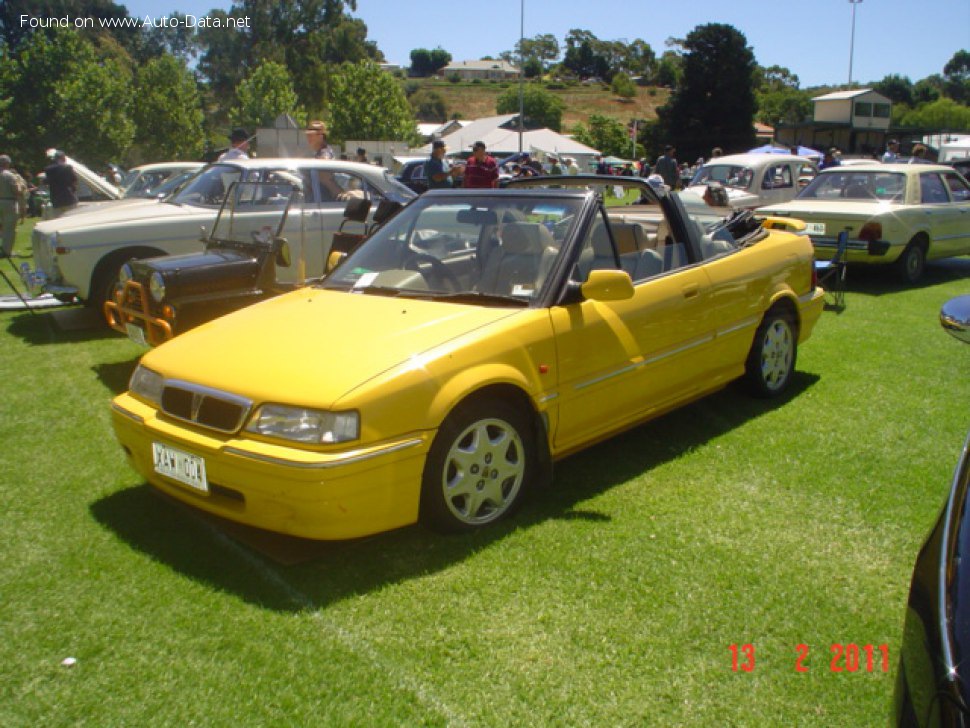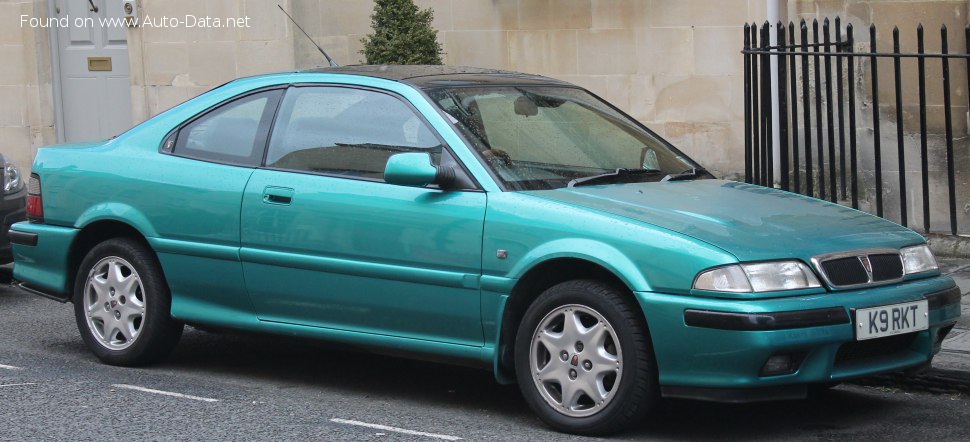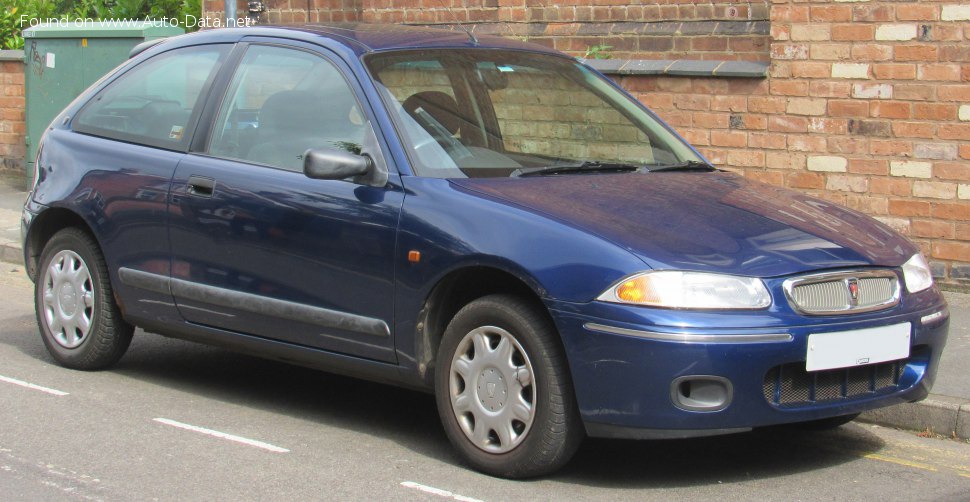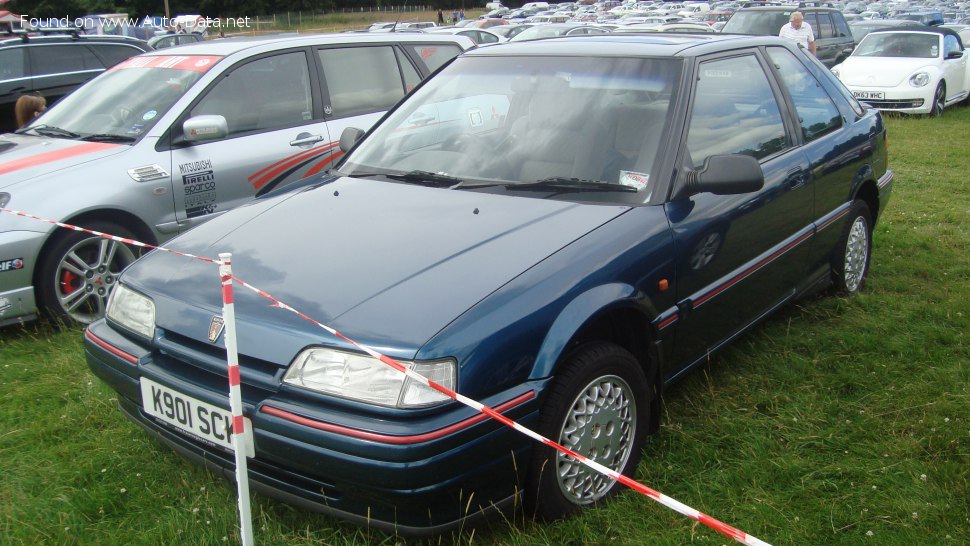
The Rover 200 (XW), produced between 1989 and 1995, represented a significant step forward for Rover in the small family car segment. Positioned as the successor to the Rover 200 series (SD3), the XW model was based on the Honda Concerto platform, a result of the British Leyland/Honda partnership. The 216 GSi variant, powered by a 1.6-liter engine producing 112 horsepower, occupied a mid-range position within the 200 lineup, offering a balance between performance and affordability. It aimed to appeal to buyers seeking a more sporting experience than the base models, without the higher price tag of the V6-powered versions.
Rover 200 (XW) 216 GSi: An Overview
The 216 GSi was a key component of the XW range, designed to attract drivers who desired a touch more dynamism. It was marketed as a practical, yet engaging, hatchback, offering a relatively spacious interior and a decent level of equipment for its price point. The XW series, and the 216 GSi in particular, faced competition from established rivals like the Ford Escort, Vauxhall Astra, and Volkswagen Golf. The collaboration with Honda provided a degree of engineering robustness, but the Rover 200 also faced challenges related to build quality and perceived reliability, issues that plagued much of the British automotive industry during this period.
Powertrain & Engine Architecture
The heart of the 216 GSi was the M16 engine, a 1.6-liter inline-four cylinder gasoline engine. This engine, while developed by Rover, benefited from Honda’s engineering input. The engine code is typically identified as M16i. It featured multi-port fuel injection and a double overhead camshaft (DOHC) valvetrain, contributing to its respectable power output for its displacement. The engine displaced 1590 cm³ (97.03 cubic inches) and produced 112 hp at 6300 rpm, with a torque output of 138 Nm (101.78 lb-ft) at 5200 rpm. The compression ratio was 9.1:1. The engine’s design prioritized smooth operation and reasonable fuel efficiency over outright performance.
The 216 GSi was exclusively offered with a five-speed manual transmission. This transmission was chosen to complement the engine’s characteristics and provide a more engaging driving experience, aligning with the “GSi” (Gran Sport Iniezione) designation. The gearbox was a standard, fully synchronized unit, offering a relatively precise shift action for the era. The front wheels were driven via standard driveshafts.
Driving Characteristics
The Rover 200 216 GSi offered a reasonably lively driving experience for its time. Acceleration from 0 to 60 mph was achieved in approximately 9.6 seconds, while 0-100 km/h took 10.1 seconds. Top speed was rated at 190 km/h (118 mph). While not a sports car by any means, the 1.6-liter engine provided sufficient power for everyday driving and overtaking maneuvers. The five-speed manual transmission allowed drivers to keep the engine in its optimal power band. The gear ratios were fairly well-spaced, providing adequate acceleration in each gear. Compared to the lower-powered 1.4-liter versions of the 200, the 216 GSi felt noticeably more responsive. However, it lacked the outright punch of the V6 models. The handling was generally considered safe and predictable, although not particularly sporty. The suspension setup prioritized comfort over sharp handling, resulting in a ride that was generally compliant on most road surfaces.
Equipment & Trim Levels
The 216 GSi trim level included a number of features designed to enhance comfort and convenience. Standard equipment typically included power steering, central locking, electric front windows, and a basic stereo system. Interior upholstery was typically cloth, with a sporty pattern. The dashboard layout was functional and straightforward, with clearly labeled controls. Optional extras included a sunroof, alloy wheels, and upgraded audio systems. The GSi trim also featured some subtle exterior styling enhancements, such as a rear spoiler and body-colored bumpers, to differentiate it from the lower-spec models. The interior trim was generally well-appointed for a car in this class, although the materials used were not of the highest quality.
Chassis & Braking
The Rover 200 (XW) utilized a front-wheel-drive layout with independent wishbone suspension at the front and a coil spring rear suspension. This suspension setup provided a reasonable balance between ride comfort and handling. The front brakes were ventilated discs, offering good stopping power, while the rear brakes were drums. Anti-lock Braking System (ABS) was available as an option, enhancing safety. The steering was a rack and pinion system with hydraulic power assistance, providing light and precise steering feel. The 216 GSi typically rode on 175/65 R14 tires, which offered a good compromise between grip and ride comfort. The chassis was relatively lightweight, contributing to the car’s nimble handling characteristics.
Market Reception & Comparison
The Rover 200 216 GSi received mixed reviews from automotive critics. While praised for its comfortable ride and decent performance, it was often criticized for its build quality and perceived reliability. Compared to its rivals, the 216 GSi offered a competitive level of equipment and a relatively affordable price. Fuel economy was respectable, with combined fuel consumption figures of around 7.3 l/100 km (32.2 US mpg). However, the 216 GSi was generally less fuel-efficient than some of its competitors, particularly those with smaller engines. In terms of reliability, the 216 GSi suffered from some of the common issues associated with Rover vehicles of this era, including electrical problems and cooling system failures. The V6 models, while offering more performance, were significantly more expensive and prone to mechanical issues. The lower-powered 1.4-liter versions were more fuel-efficient and reliable, but lacked the performance of the 216 GSi.
Technical Specifications
| Brand | Rover |
| Model | 200 |
| Generation | 200 (XW) |
| Type (Engine) | 216 GSi (112 Hp) |
| Start of production | 1989 |
| End of production | 1995 |
| Body type | Hatchback |
| Seats | 5 |
| Doors | 5 |
| Fuel consumption (urban) | 8.9 l/100 km (26.4 US mpg) |
| Fuel consumption (extra urban) | 5.5 l/100 km (42.8 US mpg) |
| Fuel consumption (combined) | 7.3 l/100 km (32.2 US mpg) |
| Fuel Type | Petrol (Gasoline) |
| Acceleration 0 – 100 km/h | 10.1 sec |
| Acceleration 0 – 62 mph | 10.1 sec |
| Acceleration 0 – 60 mph | 9.6 sec |
| Maximum speed | 190 km/h (118.06 mph) |
| Weight-to-power ratio | 9.6 kg/Hp |
| Weight-to-torque ratio | 7.8 kg/Nm |
| Power | 112 Hp @ 6300 rpm |
| Torque | 138 Nm @ 5200 rpm (101.78 lb.-ft. @ 5200 rpm) |
| Engine layout | Front, Transverse |
| Engine displacement | 1590 cm3 (97.03 cu. in.) |
| Number of cylinders | 4 |
| Engine configuration | Inline |
| Cylinder Bore | 75 mm (2.95 in.) |
| Piston Stroke | 90 mm (3.54 in.) |
| Compression ratio | 9.1:1 |
| Number of valves per cylinder | 4 |
| Fuel injection system | Multi-port manifold injection |
| Engine aspiration | Naturally aspirated |
| Valvetrain | DOHC |
| Kerb Weight | 1080 kg (2380.99 lbs.) |
| Max. weight | 1580 kg (3483.3 lbs.) |
| Trunk (boot) space – minimum | 352 l (12.43 cu. ft.) |
| Fuel tank capacity | 55 l (14.53 US gal | 12.1 UK gal) |
| Length | 4220 mm (166.14 in.) |
| Width | 1680 mm (66.14 in.) |
| Height | 1390 mm (54.72 in.) |
| Wheelbase | 2550 mm (100.39 in.) |
| Number of gears and type of gearbox | 5 gears, manual transmission |
Legacy
Today, the Rover 200 216 GSi is a relatively rare sight on the roads. While not particularly sought after by collectors, well-maintained examples are gaining a following among enthusiasts who appreciate their classic British charm. The M16 engine is generally considered to be reasonably reliable, although parts availability can be a challenge. Common issues include oil leaks and cooling system failures. The 216 GSi represents a snapshot of British automotive engineering in the early 1990s, a period of collaboration and compromise. Its blend of practicality, affordability, and reasonable performance continues to appeal to a niche group of drivers who appreciate its unique character.