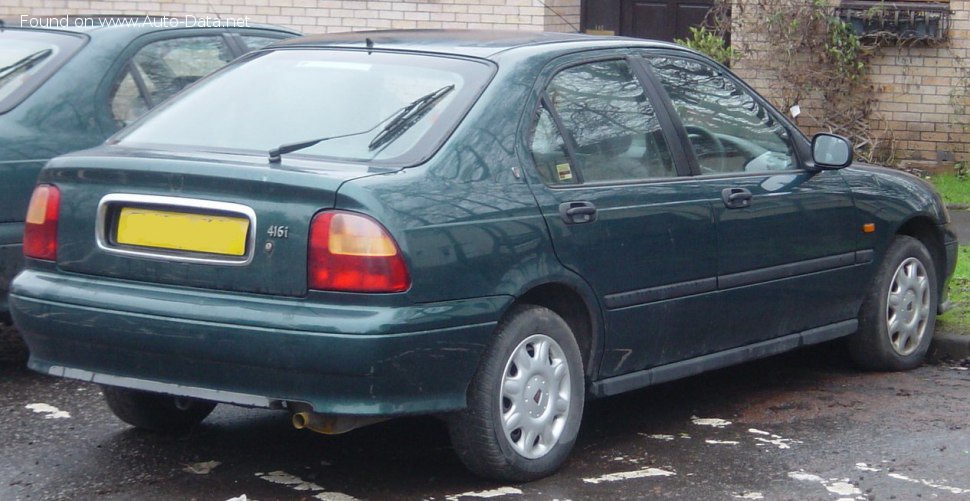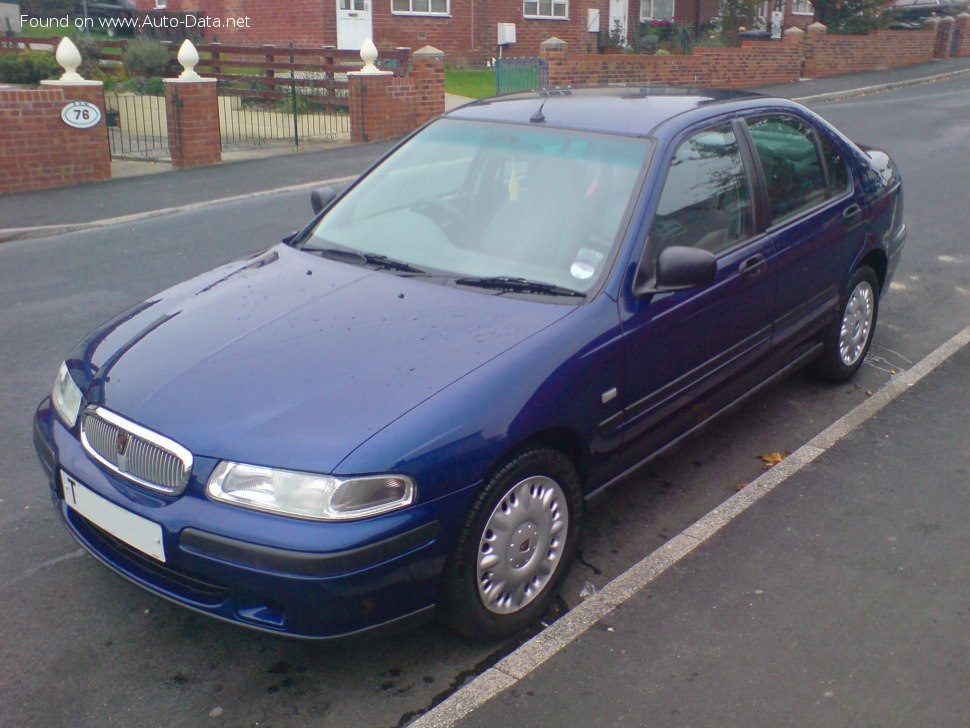
The Rover 400 (RT) 420 Si Lux (136 Hp) represents a significant effort by the British automaker Rover to compete in the crowded European compact car segment during the mid-to-late 1990s. Produced from 1995 to 2000, the RT series – succeeding the R8 400 – was a product of Rover’s deepened collaboration with Honda, sharing its 1HX0/A3 platform with the Japanese manufacturer’s Civic and Domani models. This collaboration was critical for Rover, allowing access to Honda’s engineering expertise and reliability while attempting to maintain a distinct British character. The 420 Si Lux, with its 136 horsepower engine, occupied a mid-range position in the lineup, offering a balance of performance and features aimed at buyers seeking a more refined experience than the base models.
Powertrain & Engine Architecture
The Rover 400 (RT) 420 Si Lux (136 Hp) was powered by Rover’s T16 engine, a 2.0-liter (1994 cc) naturally aspirated inline four-cylinder unit. This engine, identified by codes such as 20T2N, was a mainstay in Rover and MG vehicles of the era, known for its relatively robust construction. The T16 featured a Double Overhead Camshaft (DOHC) valvetrain with four valves per cylinder, enhancing breathing and contributing to its power output. Fuel delivery was managed by a multi-port fuel injection system, providing precise fuel metering for improved efficiency and responsiveness.
The engine produced 136 horsepower (hp) at 6000 rpm and 136.45 lb-ft of torque at 2500 rpm. This torque curve provided good low-end and mid-range pull, making the car reasonably flexible for everyday driving. The engine’s design, while not cutting-edge, was proven and reliable. The 420 Si Lux was exclusively offered with a five-speed manual transmission, a common choice for this class of vehicle. This transmission was known for its smooth operation and durability, contributing to a pleasant driving experience.
Driving Characteristics
The Rover 400 (RT) 420 Si Lux (136 Hp) offered a comfortable and composed driving experience. While not a sports car, the 136 hp engine provided adequate performance for typical driving conditions. Acceleration from 0 to 60 mph took approximately 9 seconds, and the top speed was around 123.65 mph (199 km/h). Compared to the lower-powered 1.4 and 1.6-liter versions, the 2.0-liter engine offered noticeably more punch, particularly when overtaking or climbing hills. However, it didn’t match the performance of the later V6 models. The five-speed manual transmission allowed drivers to effectively utilize the engine’s powerband, providing good control over acceleration and engine speed.
The gear ratios were well-chosen for a balance of acceleration and fuel economy. First gear was relatively short for quick starts, while fifth gear was geared for comfortable cruising on the highway. The steering was light and precise, making the car easy to maneuver in urban environments. The suspension, tuned for comfort, absorbed bumps and imperfections in the road well, providing a smooth ride. Compared to the more performance-oriented MG variants, the 420 Si Lux prioritized comfort and refinement over outright handling prowess.
Equipment & Trim Levels
The 420 Si Lux trim level was positioned as a well-equipped variant within the Rover 400 (RT) range. Standard features included central locking, power windows, power steering, an adjustable steering column, and an RDS stereo. The interior typically featured cloth upholstery, although leather options were available. The dashboard layout was functional and ergonomically designed, with easy-to-read gauges and intuitive controls. The Si Lux trim also included features like alloy wheels, body-colored bumpers, and a more comprehensive trim package compared to the base models.
Optional extras included air conditioning, a sunroof, and upgraded audio systems. The 420 Si Lux was often chosen by buyers who wanted a comfortable and well-equipped car without the higher price tag of the top-of-the-line V6 models. The interior materials, while not luxurious, were of good quality for the price point, and the overall ambiance was one of understated elegance.
Chassis & Braking
The Rover 400 (RT) 420 Si Lux (136 Hp) utilized a front-wheel-drive layout with a MacPherson strut front suspension and a trailing arm rear suspension. This suspension setup provided a good balance of ride comfort and handling. The car’s chassis was relatively lightweight, contributing to its agility and fuel efficiency. The braking system consisted of disc brakes on all four wheels, providing adequate stopping power. Anti-lock Braking System (ABS) was standard equipment, enhancing safety by preventing wheel lockup during hard braking.
The steering system was a hydraulic power-assisted rack and pinion setup, offering precise and responsive steering feel. The tires were typically 195/55 R15, providing a good compromise between grip and ride comfort. The suspension was tuned to prioritize comfort over sporty handling, resulting in a smooth and forgiving ride quality. Stabilizer bars were fitted to both the front and rear axles to reduce body roll during cornering.
Market Reception & Comparison
The Rover 400 (RT) 420 Si Lux (136 Hp) received generally positive reviews from automotive critics. It was praised for its comfortable ride, well-equipped interior, and decent performance. However, it was often criticized for its somewhat bland styling and its lack of a truly sporty driving experience. Compared to its rivals, such as the Ford Mondeo and Vauxhall Vectra, the 400 offered a more refined and understated driving experience, but it lacked the outright performance and technological sophistication of some competitors.
Fuel economy was competitive for its class, with combined fuel consumption around 30.9 US mpg (7.6 l/100 km). Reliability was generally good, benefiting from the Honda-derived platform. However, Rover’s reputation for build quality was not as strong as Honda’s, and some owners reported minor electrical issues. The 420 Si Lux offered a compelling alternative to mainstream rivals for buyers who valued comfort, refinement, and a touch of British style.
Technical Specifications
| Category | Specification |
| Brand | Rover |
| Model | 400 |
| Generation | 400 (RT) |
| Type (Engine) | 420 Si Lux (136 Hp) |
| Production Start | 1995 |
| Production End | 2000 |
| Powertrain Architecture | Internal Combustion Engine |
| Body Type | Sedan |
| Seats | 5 |
| Doors | 4 |
| Fuel Consumption (Urban) | 18.1 US mpg (13 l/100 km) |
| Fuel Consumption (Extra Urban) | 39.2 US mpg (6 l/100 km) |
| Fuel Consumption (Combined) | 30.9 US mpg (7.6 l/100 km) |
| Fuel Type | Petrol (Gasoline) |
| Acceleration 0-60 mph | 9.0 seconds |
| Maximum Speed | 123.65 mph (199 km/h) |
| Power | 136 Hp @ 6000 rpm |
| Torque | 136.45 lb.-ft. @ 2500 rpm (185 Nm) |
| Engine Displacement | 121.68 cu. in. (1994 cm3) |
| Number of Cylinders | 4 |
| Engine Configuration | Inline |
| Gearbox | 5-speed manual transmission |
| Kerb Weight | 2854.99 lbs (1295 kg) |
| Fuel Tank Capacity | 14.53 US gal (55 l) |
| Length | 176.77 in. (4490 mm) |
| Width | 66.73 in. (1695 mm) |
| Height | 54.72 in. (1390 mm) |
Legacy
The Rover 400 (RT) 420 Si Lux (136 Hp) remains a relatively affordable and accessible classic car in the used market. The T16 engine is generally considered reliable, although regular maintenance is essential. Common issues include oil leaks and wear on the timing belt. Parts availability can be a challenge, as Rover ceased production over two decades ago, but a dedicated network of Rover enthusiasts and specialist parts suppliers exists. The 420 Si Lux is appreciated by enthusiasts for its comfortable ride, decent performance, and understated British style. While it may not be as sought-after as some of Rover’s more iconic models, it represents a significant chapter in the brand’s history and offers a unique driving experience for those seeking a classic European sedan.