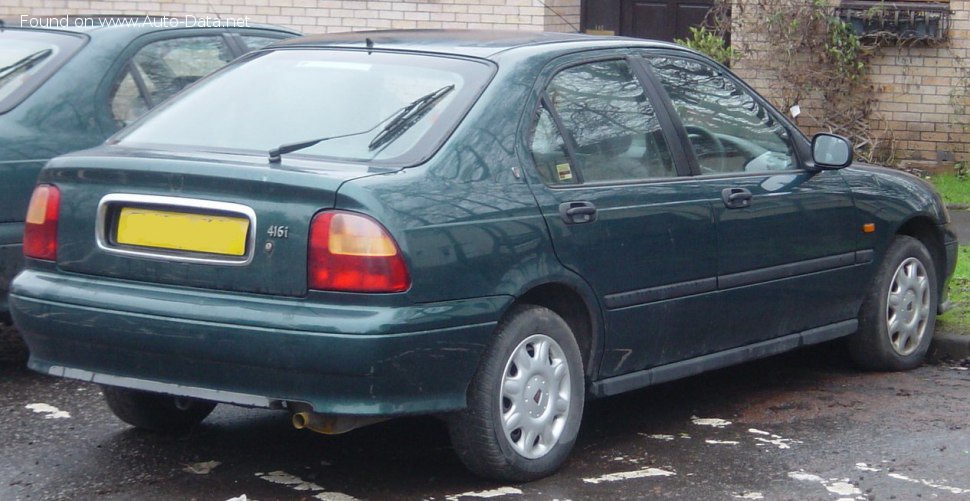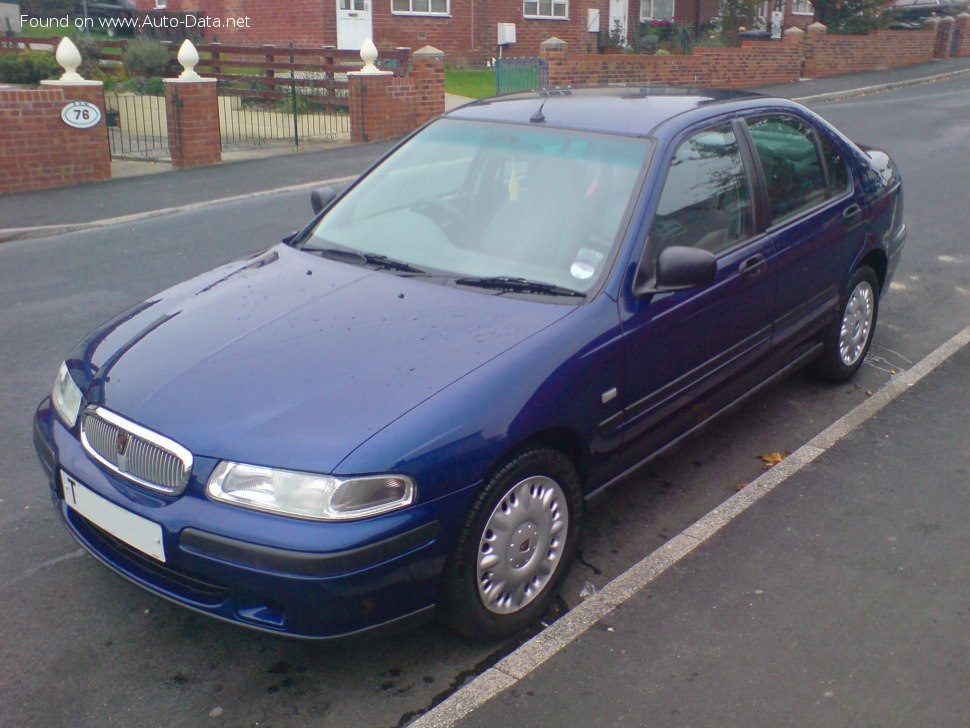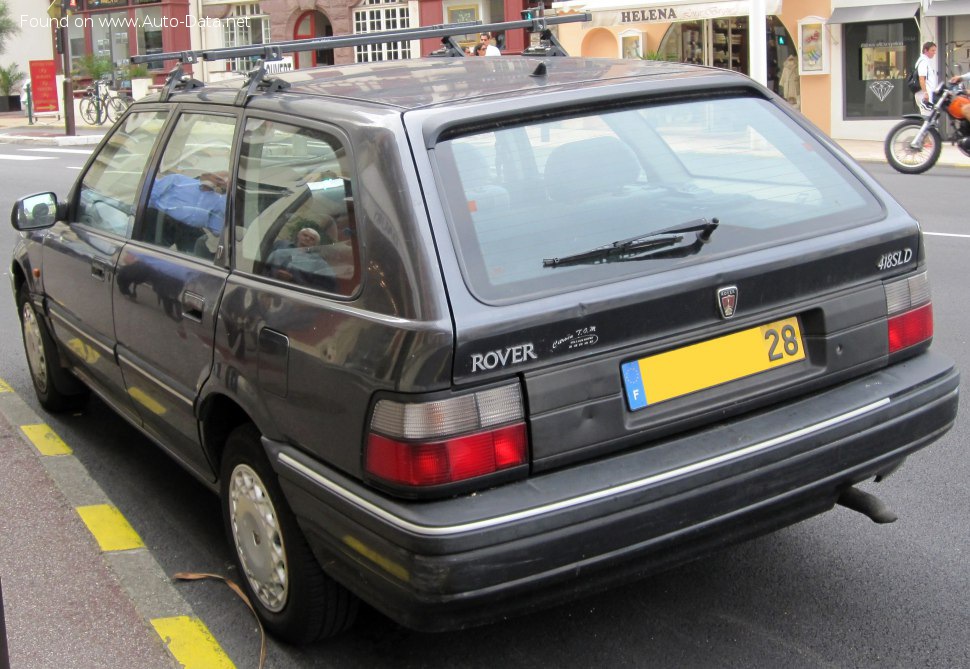
The Rover 400 Tourer (XW) 1.8i, produced between 1996 and 1999, represents a significant variant within the XW series, Rover’s contribution to the competitive European C-segment. The 400 series, a rebadged and significantly revised version of the Honda Accord, was a crucial model for Rover, aiming to combine British styling sensibilities with Japanese engineering. The Tourer body style, a station wagon, expanded the 400’s appeal to families and those needing increased cargo capacity. The 1.8i model occupied a mid-to-upper position in the 400 Tourer lineup, offering a balance between performance, equipment, and price, appealing to buyers seeking a refined and practical family vehicle. It was positioned above the 1.6-liter models and below the V6 variants, offering a step up in power without the premium cost of the flagship engine.
Rover 400 Tourer 1.8i: Powertrain and Engine Architecture
The heart of the Rover 400 Tourer 1.8i is the Rover K-Series engine, specifically the 1.8-liter (1796cc) 16-valve unit. This engine, designated as the 18K4F, was a key component of Rover’s engine family, known for its compact size, lightweight construction, and relatively high power output. The K-Series engine utilized a belt-driven, dual overhead camshaft (DOHC) valvetrain, allowing for efficient cylinder filling and improved breathing. The engine block was constructed from cast iron, while the cylinder head was made from aluminum alloy, contributing to the engine’s overall weight reduction. Fuel delivery was managed by a Bosch Motronic MP1.7 engine control unit (ECU) and multi-point sequential fuel injection. This system precisely controlled the amount of fuel injected into each cylinder, optimizing combustion efficiency and reducing emissions.
The 18K4F engine produced 146 horsepower (hp) at 5500 rpm and 130 lb-ft of torque at 4250 rpm. This output was considered respectable for its time and engine displacement, providing adequate performance for both urban driving and highway cruising. The engine was paired exclusively with a four-speed automatic transmission, a Jatco unit licensed to Rover. This transmission, while providing convenience, was often criticized for its relatively slow shift speeds and lack of responsiveness compared to the available five-speed manual gearbox. The automatic transmission featured electronic control, further enhancing its efficiency and smoothness. The transmission’s gear ratios were geared towards fuel economy and comfortable cruising rather than outright acceleration.
Engine Codes and Variations
The 18K4F engine code specifically identifies the 1.8-liter, 16-valve version used in the 400 Tourer. Earlier K-Series engines had been prone to head gasket failures, particularly in higher-output applications. Rover implemented several revisions to the K-Series engine throughout its production run, including improved head gasket designs and cooling system enhancements, to address these concerns. The 18K4F, being a later iteration, benefited from many of these improvements, making it generally more reliable than earlier K-Series variants. However, regular maintenance, including coolant checks and timely replacement, remained crucial for preventing potential issues.
Driving Characteristics
The Rover 400 Tourer 1.8i Automatic offered a comfortable and refined driving experience, prioritizing ease of use over sporty handling. The 146 hp engine provided sufficient power for everyday driving, allowing for smooth acceleration and effortless highway cruising. However, the four-speed automatic transmission limited the engine’s potential, resulting in slower acceleration times compared to the manual transmission versions. The automatic transmission’s shift points were programmed for fuel efficiency, which sometimes resulted in the engine feeling slightly strained during overtaking maneuvers. Compared to the 1.6-liter models, the 1.8i offered a noticeable improvement in performance, particularly when fully loaded with passengers and luggage. In contrast to the V6 variants, the 1.8i provided a more balanced driving experience, offering a good compromise between performance and fuel economy. The V6, while significantly more powerful, suffered from higher fuel consumption and a more pronounced torque steer.
The Tourer’s suspension, tuned for comfort, absorbed bumps and imperfections in the road effectively, providing a smooth and stable ride. Steering was light and precise, making it easy to maneuver in urban environments. However, the 400 Tourer was not designed to be a particularly engaging driver’s car; its focus was on providing a comfortable and practical transportation solution.
Equipment & Trim Levels
The Rover 400 Tourer 1.8i was typically equipped with a generous level of standard features, reflecting its mid-to-upper position in the range. Standard equipment generally included central locking, power windows, power steering, an adjustable steering column, and an RDS stereo radio. Interior upholstery was typically cloth, available in a range of colors and patterns. Higher trim levels offered upgrades such as leather upholstery, electric sunroof, climate control, and alloy wheels. Optional extras included a CD changer, upgraded sound system, and rear parking sensors.
The dashboard layout was functional and well-organized, with clearly labeled controls and easy-to-read instrumentation. The interior design aimed for a sense of understated elegance, with wood trim accents and a generally high-quality feel. The Tourer’s spacious interior and large cargo area made it a practical choice for families and those needing to transport bulky items.
Chassis & Braking
The Rover 400 Tourer utilized a MacPherson strut front suspension and a semi-independent torsion beam rear suspension. This suspension setup provided a good balance between ride comfort and handling stability. The front suspension featured coil springs and an anti-roll bar, while the rear suspension utilized coil springs and dampers. Braking was typically accomplished with ventilated disc brakes on the front wheels and drum brakes on the rear wheels. Anti-lock Braking System (ABS) was available as an option, enhancing braking performance and safety, particularly in adverse weather conditions. The steering system was a rack-and-pinion setup, providing precise and responsive steering control. The chassis was reinforced to accommodate the increased weight and load-carrying capacity of the Tourer body style.
Market Reception & Comparison
The Rover 400 Tourer 1.8i received generally positive reviews from automotive critics. It was praised for its comfortable ride, spacious interior, and refined driving experience. However, the four-speed automatic transmission was often criticized for its lack of responsiveness and slow shift speeds. Compared to its rivals, such as the Ford Mondeo Estate and the Vauxhall Vectra Estate, the 400 Tourer offered a more premium feel and a more refined driving experience. Fuel economy was comparable to other vehicles in its class, averaging around 28-32 mpg on a combined cycle. Reliability was generally good, although the K-Series engine’s potential for head gasket failure remained a concern for some buyers. The 1.8i variant offered a good balance between performance and fuel economy, making it a popular choice among buyers seeking a practical and refined family vehicle.
Technical Specifications
| Engine Type | Rover K-Series 1.8L Inline-4 |
| Engine Code | 18K4F |
| Displacement | 1796 cc (1.8 liters) |
| Horsepower | 146 hp @ 5500 rpm |
| Torque | 130 lb-ft @ 4250 rpm |
| Fuel Injection | Bosch Motronic MP1.7 Multi-point Sequential |
| Valvetrain | Dual Overhead Camshaft (DOHC), 16-valve |
| Transmission | Four-speed Automatic (Jatco) |
| Drive Wheels | Front-wheel drive |
| Brakes (Front) | Ventilated Discs |
| Brakes (Rear) | Drums |
| Suspension (Front) | MacPherson Strut |
| Suspension (Rear) | Semi-independent Torsion Beam |
| Curb Weight | Approximately 3,200 lbs (1,451 kg) |
| Fuel Economy (Combined) | 28-32 mpg |
Legacy
The Rover 400 Tourer 1.8i, while no longer in production, remains a relatively common sight on UK roads. The K-Series engine, despite its early reliability issues, proved to be a durable and capable powerplant when properly maintained. The 400 Tourer’s spacious interior and practical design continue to appeal to buyers seeking a comfortable and affordable family vehicle. However, potential buyers should be aware of the K-Series engine’s potential for head gasket failure and ensure that the vehicle has been regularly serviced. The 400 Tourer 1.8i represents a unique blend of British styling and Japanese engineering, offering a distinctive alternative to more mainstream European family cars. In the used car market, well-maintained examples of the 400 Tourer 1.8i can be found at relatively affordable prices, making them an attractive option for those seeking a classic British vehicle with a practical and comfortable driving experience.