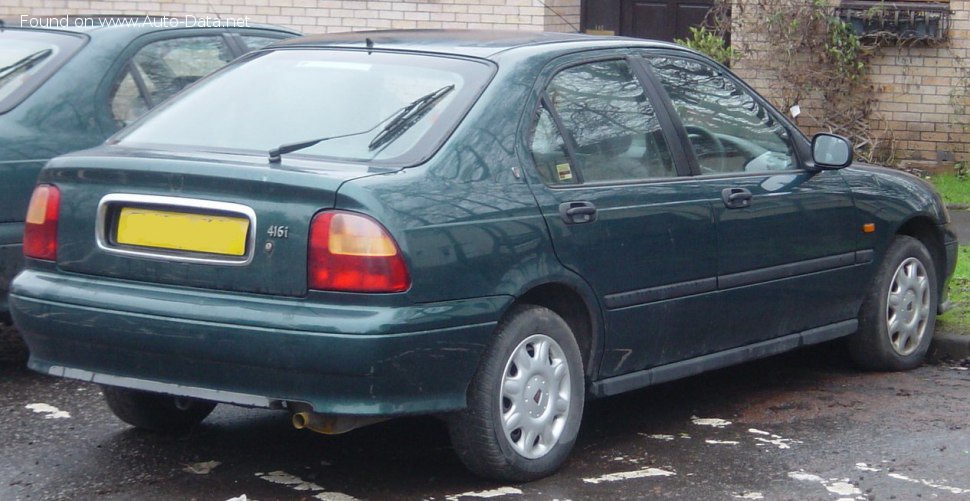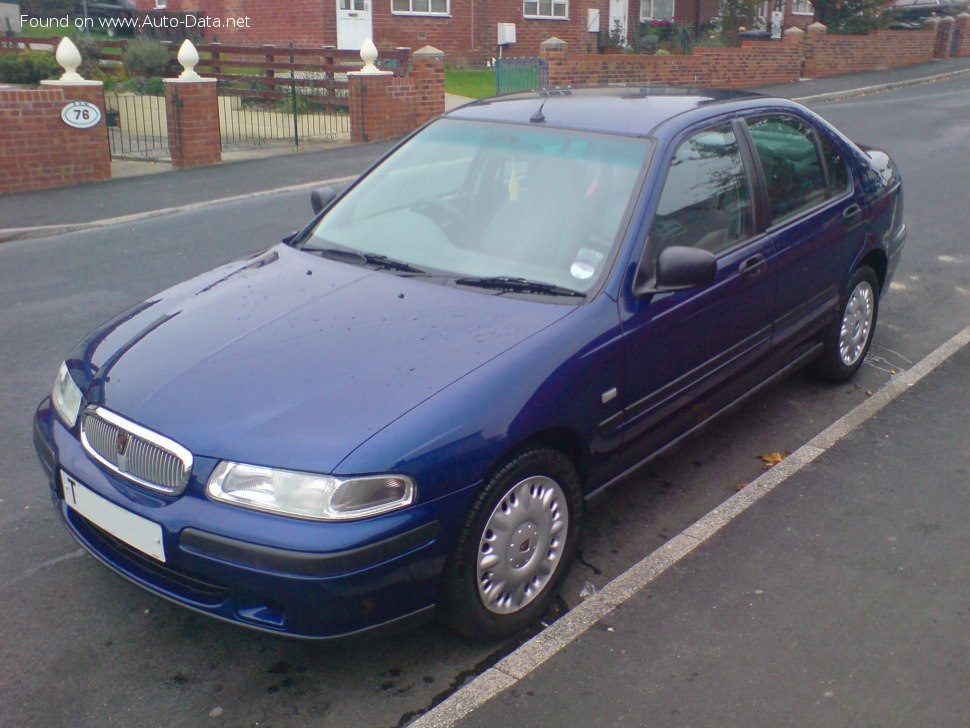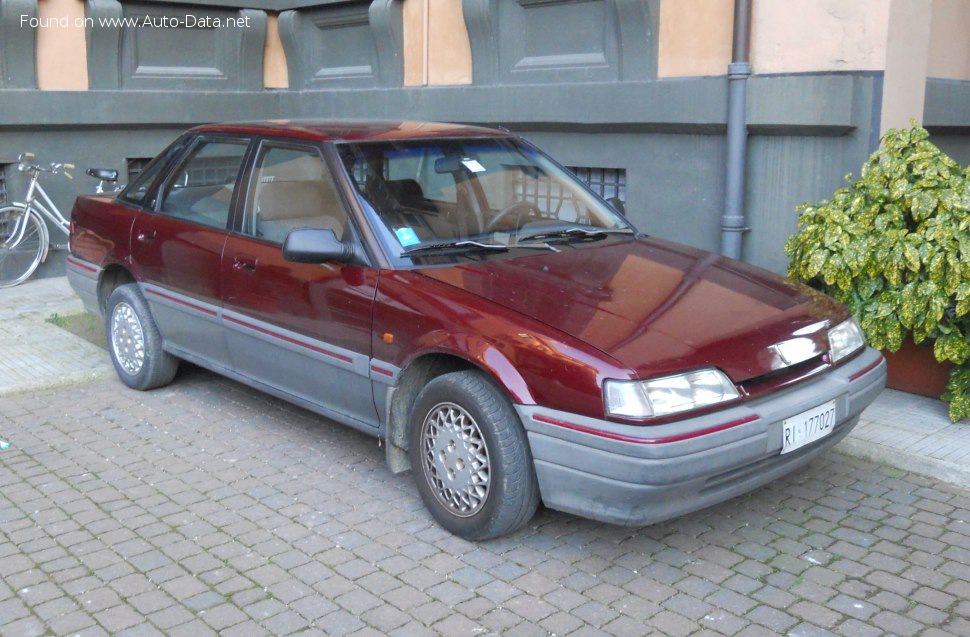
The Rover 400 (XW) 414 GSI/SI CAT represents a pivotal moment in the history of the British Rover Group. Launched in 1990, the first generation of the Rover 400 series, internally known as “R8,” was a compact family car designed primarily for the European market. The specific variant discussed here, the 414 GSI/SI CAT (103 hp), produced between 1993 and 1995, embodies Rover’s strategy of blending British styling and comfort with reliable Japanese engineering, a result of their close collaboration with Honda. This model occupied a mid-range position within the 400 lineup, offering a balance between affordability and features, sitting above the base models and below the higher-specification 416i variants.
Powertrain & Engine Architecture
The Rover 400 (XW) 414 GSI/SI CAT was powered by Rover’s acclaimed K-Series engine. Specifically, it utilized the K16 engine code, a naturally aspirated 1.4-liter (1396 cc or 85.19 cubic inches) inline four-cylinder powerplant. The K-Series was lauded for its lightweight, all-aluminum construction and its advanced Double Overhead Camshaft (DOHC) valvetrain featuring four valves per cylinder – a relatively sophisticated setup for a compact engine of that era. This design contributed to the engine’s responsiveness and efficiency.
The engine produced 103 horsepower at 6000 rpm, yielding a power-to-liter ratio of 73.8 hp/liter. Torque output was 93.67 lb-ft (127 Nm) at 5000 rpm. Power was delivered through a 5-speed manual transmission to the front wheels. The powertrain layout – front-engine, transverse mounting – was standard for a front-wheel-drive compact car, maximizing interior space and optimizing handling. The fuel system employed multi-point fuel injection, contributing to improved fuel economy and reduced emissions. The engine’s relatively simple design, while advanced for its time, also meant that maintenance could be performed by a wide range of mechanics.
Driving Characteristics
The 414 GSI/SI CAT offered a driving experience geared towards comfort and practicality rather than outright performance. While 103 hp was adequate for everyday driving, it wasn’t particularly sporty. Acceleration from 0 to 60 mph took approximately 9.6 seconds, and the top speed was around 112 mph. Compared to the higher-output 416i models, the 414 felt noticeably less powerful, especially when fully loaded or tackling inclines. The 5-speed manual transmission was well-matched to the engine’s characteristics, providing reasonable gear spacing for both urban and highway driving. The gear ratios were tuned for fuel efficiency and smooth cruising, rather than aggressive acceleration.
The 414’s suspension, tuned for comfort, absorbed bumps and imperfections in the road well, providing a relatively smooth ride. However, this came at the expense of some handling precision. Compared to the more performance-oriented trims, the 414 exhibited more body roll in corners. Overall, the driving experience was refined and predictable, making it a suitable choice for drivers prioritizing comfort and ease of use over sporty handling.
Equipment & Trim Levels
The 414 GSI/SI CAT trim level offered a good level of standard equipment for its price point. Standard features included hydraulic power steering, central locking, electric front windows, and an AM/FM radio. Interior upholstery was typically cloth, available in a range of colors and patterns. The dashboard layout was functional and straightforward, with clearly labeled controls. The GSI/SI designation indicated a slightly higher level of trim compared to the base models, often including upgraded interior materials and exterior detailing.
Optional extras available for the 414 GSI/SI CAT included air conditioning, a sunroof, alloy wheels, and upgraded audio systems. Some models also featured a trip computer. The availability of these options varied depending on the market and the specific year of production. The overall interior ambiance was designed to be comfortable and inviting, reflecting Rover’s emphasis on creating a pleasant driving environment.
Chassis & Braking
The Rover 400 (XW) utilized a conventional chassis design for a front-wheel-drive compact car. The front suspension employed independent wishbones, providing a good balance of ride comfort and handling. The rear suspension featured a coil-sprung semi-independent trailing arm setup, which was cost-effective and provided adequate ride quality. The chassis was designed to be relatively lightweight, contributing to the car’s overall efficiency.
The braking system consisted of ventilated disc brakes at the front and disc brakes at the rear. Anti-lock Braking System (ABS) was a standard feature on the 414 GSI/SI CAT, enhancing safety by preventing wheel lockup during hard braking. The braking performance was adequate for everyday driving, providing confident stopping power in most conditions. The standard tire size was 175/65 R14, offering a good compromise between grip and ride comfort. Stabilizer bars were fitted to both the front and rear axles to reduce body roll during cornering.
Market Reception & Comparison
The Rover 400 (XW) 414 GSI/SI CAT was generally well-received by automotive critics. It was praised for its comfortable ride, refined interior, and fuel efficiency. However, some critics noted that its performance was somewhat underwhelming compared to its rivals, particularly the more powerful versions of the Ford Escort and Vauxhall Astra. Fuel economy was a strong point, with combined cycle figures around 32.2 US mpg, making it an attractive option for cost-conscious buyers.
Compared to the higher-specification 416i models, the 414 offered a more affordable entry point into the Rover 400 range. The 416i provided significantly more power and a sportier driving experience, but at a higher price. The 1.4-liter engine in the 414 was generally considered reliable, although the K-Series engine as a whole later became known for potential head gasket issues in other applications. The 414’s target audience was primarily families and company car drivers seeking a comfortable, reliable, and fuel-efficient compact car.
Technical Specifications
| Category | Specification |
| Brand | Rover |
| Model | 400 |
| Generation | 400 (XW) |
| Type (Engine) | 414 GSI/SI CAT (103 Hp) |
| Production Start | 1993 |
| Production End | 1995 |
| Body Type | Sedan |
| Seats | 5 |
| Doors | 4 |
| Fuel Consumption (Urban) | 26.4 US mpg (8.9 l/100 km) |
| Fuel Consumption (Extra Urban) | 42.8 US mpg (5.5 l/100 km) |
| Fuel Consumption (Combined) | 32.2 US mpg (7.3 l/100 km) |
| Fuel Type | Petrol (Gasoline) |
| Acceleration 0-60 mph | 9.6 sec |
| Maximum Speed | 111.85 mph (180 km/h) |
| Weight-to-Power Ratio | 10.4 kg/Hp |
| Power | 103 Hp @ 6000 rpm |
| Torque | 93.67 lb-ft. (127 Nm) @ 5000 rpm |
| Engine Layout | Front, Transverse |
| Engine Model/Code | K16 |
| Engine Displacement | 1.4 Liters (1396 cm³ / 85.19 cu. in.) |
| Number of Cylinders | 4 |
| Engine Configuration | Inline |
| Cylinder Bore | 2.95 in. (75 mm) |
| Piston Stroke | 3.11 in. (79 mm) |
| Compression Ratio | 9.5:1 |
| Valves per Cylinder | 4 |
| Fuel Injection System | Multi-port manifold injection |
| Engine Aspiration | Naturally Aspirated |
| Valvetrain | DOHC |
| Kerb Weight | 2369.97 lbs (1075 kg) |
| Trunk (Boot) Space – Minimum | 14.48 cu. ft. (410 l) |
| Fuel Tank Capacity | 14.53 US gal (55 l) |
| Length | 172.05 in. (4370 mm) |
| Width | 66.14 in. (1680 mm) |
| Height | 55.12 in. (1400 mm) |
| Wheelbase | 100.39 in. (2550 mm) |
| Tires Size | 175/65 R14 |
Legacy
The Rover 400 (XW) 414 GSI/SI CAT, while not a groundbreaking vehicle, remains a significant part of Rover’s history. The K-Series engine, despite its later issues, was a technologically advanced powerplant for its time. In the used car market today, these models are relatively rare and are often sought after by Rover enthusiasts. The 1.4-liter engine is generally considered reliable, making it a relatively low-risk purchase. However, potential buyers should be aware of the possibility of age-related issues, such as corrosion and wear and tear on suspension components. Overall, the 414 GSI/SI CAT represents a well-built and comfortable compact car that offers a unique blend of British style and Japanese reliability.