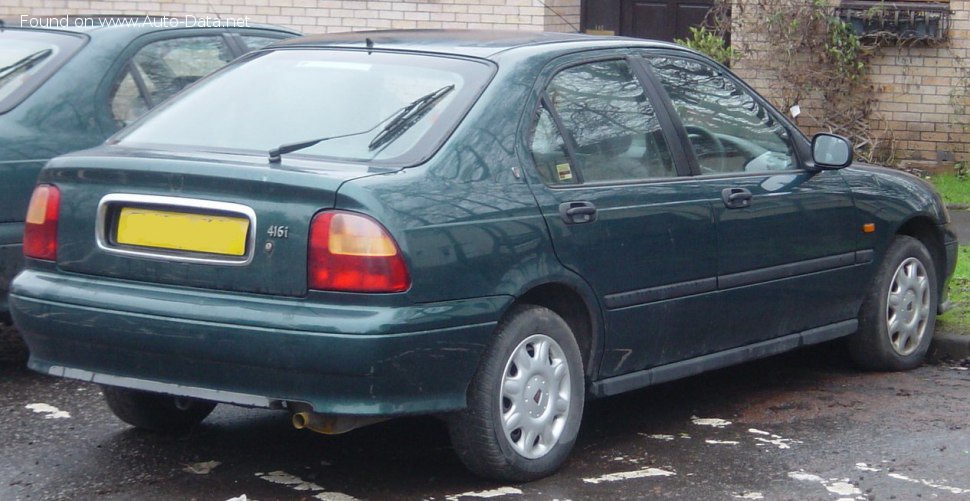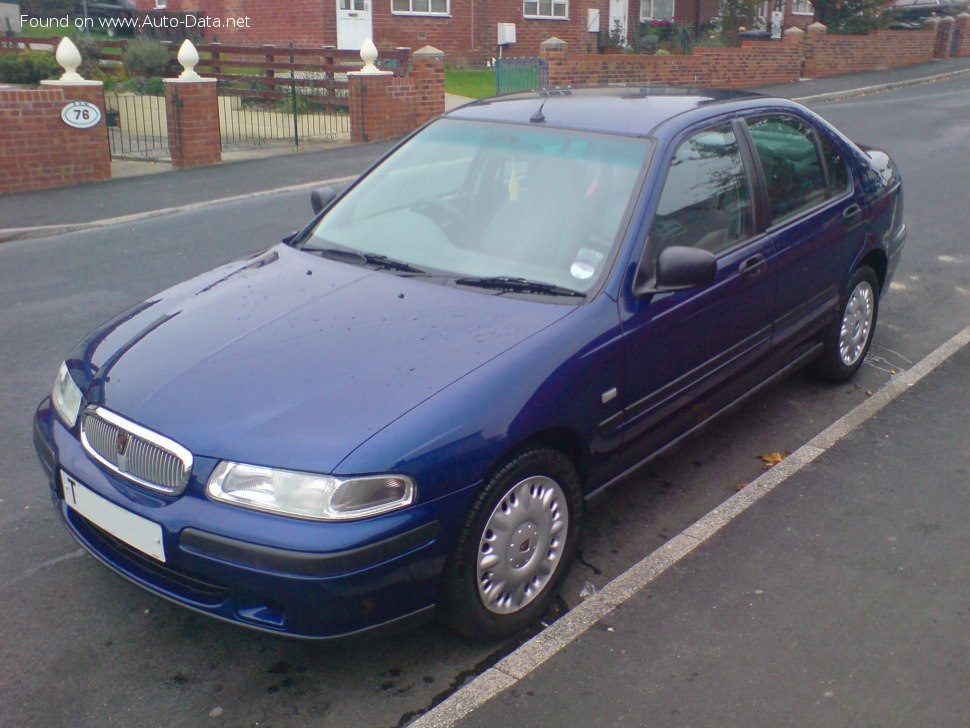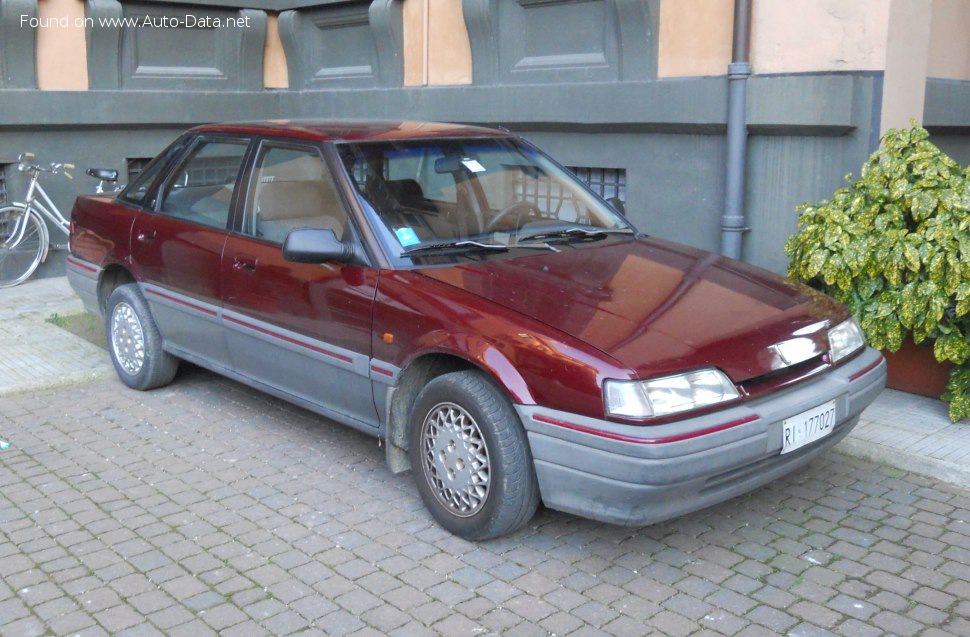
The Rover 400 (XW), produced from 1990 to 1995, was a crucial model for the British Rover Group. Positioned in the competitive compact executive or family car segment in Europe, the XW was the second generation of the Rover 400 series, succeeding the original SD3. It represented a significant collaboration between Rover and Honda, sharing its platform and many mechanical components with the Honda Concerto. This partnership aimed to provide Rover with modern, reliable engineering while allowing the British marque to maintain its distinctive styling and interior ambiance. The variant discussed here, the 416 GSI (111 hp) Automatic, was a well-equipped offering combining a 1.6-liter engine with the convenience of an automatic transmission, appealing to buyers prioritizing comfort, refinement, and understated luxury.
The Rover 400 (XW) 416 GSI Automatic: Positioning and Market Context
During its production, the Rover 400 (XW) aimed to establish a niche against strong European and Japanese competitors. It targeted buyers seeking a sophisticated alternative to mainstream models like the Ford Sierra/Mondeo or Vauxhall Cavalier (Opel Vectra). The 416 GSI, in particular, stood out with its higher trim level, offering a blend of performance and features considered premium for its class in the early 1990s. This model represented a period of change for Rover, as the company navigated evolving market demands and its complex relationship with Honda, striving to preserve a distinct British identity within a globally influenced product portfolio. The 416 GSI Automatic occupied a mid-range position within the 400 lineup, offering more features and a more refined driving experience than the base models, but falling short of the performance-oriented trims.
Powertrain & Engine Architecture
The Rover 400 (XW) 416 GSI was powered by a 1.6-liter (1590 cc or 97.03 cubic inches) naturally aspirated inline-four engine, designated the K16 engine code. This engine was a product of Rover’s ‘K-Series’ engine family, known for its compact size and modern design. It featured a Double Overhead Camshaft (DOHC) valvetrain with four valves per cylinder (16 valves total), enhancing breathing and efficiency. Fuel delivery was managed by a multi-port fuel injection system, providing precise fuel metering and improved combustion. The engine produced 111 horsepower at 6300 rpm and 137 Nm (101.05 lb-ft) of torque at 5200 rpm. The engine was transversely mounted at the front of the vehicle, driving the front wheels. The compression ratio was 9.1:1, optimized for regular unleaded gasoline.
The 416 GSI Automatic utilized a 4-speed automatic transmission. This transmission, while not as sophisticated as modern multi-gear automatics, provided smooth and convenient gear changes, particularly suited for urban driving. The transmission was electronically controlled, offering adaptive shift patterns based on driving conditions. The gear ratios were designed to balance acceleration and fuel economy, prioritizing comfortable cruising over outright performance.
Driving Characteristics
The Rover 400 (XW) 416 GSI Automatic offered a comfortable and refined driving experience. Acceleration from 0 to 60 mph took approximately 10.6 seconds, with a top speed of around 115 mph (185 km/h). Compared to the manual transmission versions of the 416, the automatic suffered a slight performance penalty due to the inherent efficiency losses in the torque converter and the transmission itself. However, the automatic provided a smoother and more relaxed driving experience, particularly in stop-and-go traffic. The 4-speed automatic transmission’s gear ratios were optimized for everyday driving, providing adequate power for overtaking and highway cruising. The power delivery was linear, with a noticeable surge in torque at mid-range revs. Compared to the higher-output 418i and 420i models, the 416 GSI Automatic offered less outright performance but provided a more fuel-efficient and accessible option.
Equipment & Trim Levels
The GSI trim level represented a significant step up in terms of standard equipment. The 416 GSI Automatic typically included features such as power windows, central locking, a stereo system, and upgraded interior upholstery. Air conditioning was often an optional extra. Interior trim featured woodgrain accents and higher-quality plastics, contributing to a more premium feel. The seats were typically upholstered in cloth, with leather options available. The dashboard layout was functional and ergonomically designed, with clear instrumentation and easy-to-reach controls. Optional extras included alloy wheels, a sunroof, and upgraded sound systems.
Chassis & Braking
The Rover 400 (XW) featured a front-wheel-drive chassis with independent suspension at the front using a MacPherson strut setup. The rear suspension utilized a semi-independent torsion beam axle. This configuration provided a good balance of ride comfort and handling. The braking system employed disc brakes on all four wheels, offering superior stopping power compared to drum brakes. An Anti-lock Braking System (ABS) was available as an option, enhancing safety by preventing wheel lock-up during hard braking. The steering was rack and pinion with hydraulic power assistance, providing a light and responsive feel. The 416 GSI Automatic typically rode on 175/65 R14 tires, offering a good compromise between comfort and grip.
Market Reception & Comparison
Critics generally viewed the Rover 400 (XW) 416 GSI Automatic favorably, praising its comfortable ride, refined interior, and reliable engine. However, some criticized its somewhat bland styling and the fact that it was mechanically very similar to the Honda Concerto. Fuel economy was considered decent for a car of its class, with combined fuel consumption around 25.8 US mpg. Reliability was generally good, benefiting from the Honda-derived engineering. Compared to other trims in the 400 lineup, the 416 GSI Automatic offered a good balance of performance, fuel economy, and features. It was a popular choice for buyers seeking a comfortable and reliable family sedan. Compared to rivals like the Ford Mondeo and Vauxhall Vectra, the Rover 400 offered a more refined and upmarket experience, but often at a slightly higher price point.
Technical Specifications
| Category | Specification |
| Brand | Rover |
| Model | 400 |
| Generation | 400 (XW) |
| Type | 416 GSI (111 Hp) Automatic |
| Start of Production | 1990 |
| End of Production | 1995 |
| Powertrain Architecture | Internal Combustion engine, Front Wheel Drive |
| Body Type | Sedan |
| Seats | 5 |
| Doors | 4 |
| Fuel Consumption (Urban) | 10.5 l/100 km |
| Fuel Consumption (Extra Urban) | 7.2 l/100 km |
| Fuel Consumption (Combined) | 9.1 l/100 km |
| Fuel Type | Petrol (Gasoline) |
| Acceleration 0 – 60 mph | 10.6 sec |
| Maximum Speed | 185 km/h |
| Engine Displacement | 1590 cm3 |
| Power | 111 Hp @ 6300 rpm |
| Torque | 137 Nm @ 5200 rpm |
| Transmission | 4-speed Automatic |
| Kerb Weight | 1075 kg |
Legacy
The Rover 400 (XW) 416 GSI Automatic, while not a groundbreaking vehicle, played a significant role in Rover’s history. The K16 engine proved to be a reliable and durable unit, and many examples are still on the road today. The automatic transmission, while dated by modern standards, is generally considered to be robust and dependable. In the used car market, the 416 GSI Automatic is often sought after by enthusiasts and collectors who appreciate its classic British styling and comfortable driving experience. However, potential buyers should be aware of potential issues with rust and age-related wear and tear. Overall, the Rover 400 (XW) 416 GSI Automatic remains a fondly remembered and relatively affordable classic car, representing a unique blend of British and Japanese engineering.