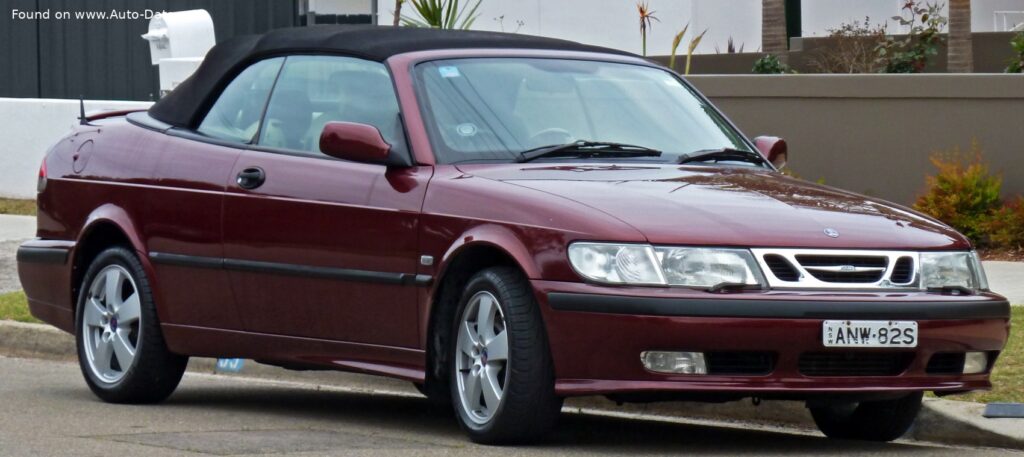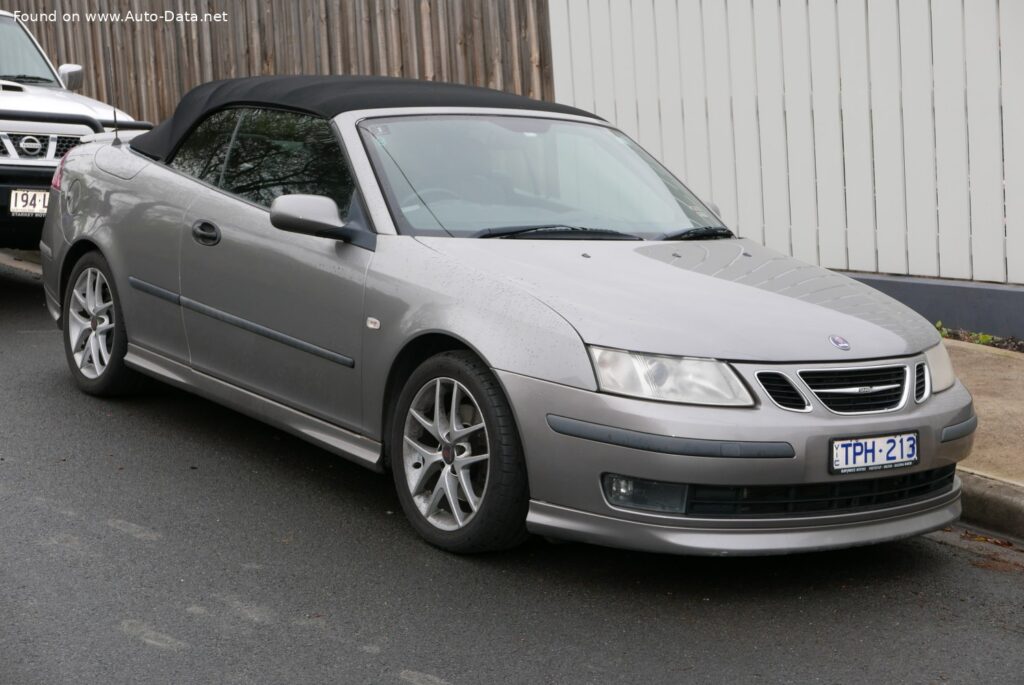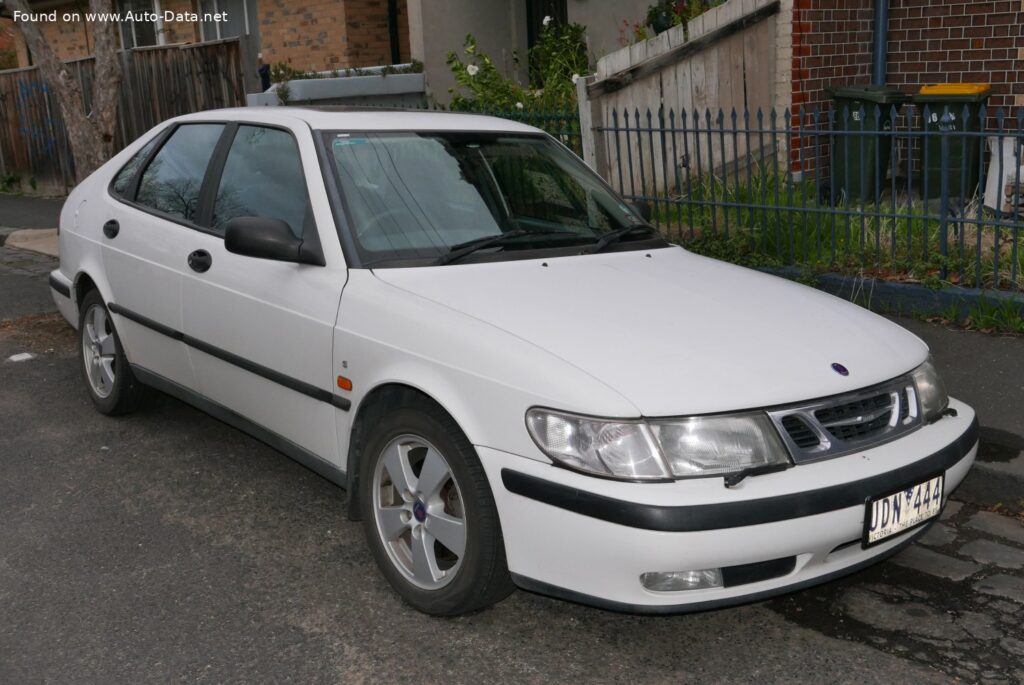
The Saab 9-3, specifically the first generation (1998-2002) designated as the 9-3 I, represents a pivotal moment for the Swedish automaker. Positioned as a compact executive car, it aimed to blend Scandinavian practicality with a sporty driving experience. Available in both hatchback (often referred to as a “SportSedan” by Saab) and sedan body styles, the 9-3 I was a direct replacement for the Saab 900, and sought to modernize the brand’s image while retaining its core values of safety, innovation, and driver focus. The 2.0 i T model, producing 185 horsepower, was a popular choice, offering a balance of performance and fuel efficiency for the European market.
Saab 9-3 I 2.0 i T: A Detailed Overview
The 9-3 I marked a significant departure from its predecessor, the 900, featuring a more contemporary design and a completely new platform. While Saab was eventually acquired by General Motors, the 9-3 I largely retained its distinctly Swedish character. It was primarily sold in Europe, where it competed with vehicles like the Audi A3, BMW 3 Series Compact, and Volvo S40. The model’s emphasis on safety and unique design elements helped it carve out a niche among discerning buyers.
Engine & Performance
The heart of the 9-3 I 2.0 i T is a 1.985-liter, inline-four cylinder turbocharged gasoline engine, internally designated as the B204L. This engine produces 185 horsepower at 5500 rpm and 263 Nm (193.98 lb.-ft.) of torque at 2100 rpm. The turbocharger provides a noticeable boost in power, contributing to a 0-60 mph acceleration time of approximately 8.1 seconds and a top speed of 230 km/h (142.92 mph). The engine’s power-to-liter ratio is an impressive 93.2 hp/l. Power is delivered to the front wheels via a five-speed manual transmission. The weight-to-power ratio of 7.5 kg/Hp and weight-to-torque ratio of 5.2 kg/Nm contribute to a responsive driving experience. Fuel economy is rated at 14.2 l/100 km (16.6 US mpg) in urban conditions and 7.3 l/100 km (32.2 US mpg) on the open road.
Design & Features
The Saab 9-3 I was available as a three or five-door hatchback, offering versatility and practicality. The design, while modern for its time, retained Saab’s signature styling cues, including a wraparound dashboard and a focus on ergonomic design. The interior prioritized driver comfort and control, with intuitively placed controls and supportive seats. Safety was a paramount concern for Saab, and the 9-3 I was equipped with features like ABS (Anti-lock Braking System) as standard. The hatchback configuration provides a generous amount of cargo space, ranging from 494 liters (17.45 cu. ft.) with the rear seats up to 1314 liters (46.4 cu. ft.) with the seats folded down. The vehicle’s dimensions are 4629 mm (182.24 in.) in length, 1711 mm (67.36 in.) in width, and 1428 mm (56.22 in.) in height. The wheelbase measures 2605 mm (102.56 in.).
Technical Specifications
| Brand | Saab |
| Model | 9-3 |
| Generation | 9-3 I |
| Type (Engine) | 2.0 i T (185 Hp) |
| Start of production | 1998 |
| End of production | 2002 |
| Powertrain Architecture | Internal Combustion engine |
| Body type | Hatchback |
| Seats | 5 |
| Doors | 3-5 |
| Fuel consumption (urban) | 14.2 l/100 km (16.6 US mpg, 19.9 UK mpg, 7 km/l) |
| Fuel consumption (extra urban) | 7.3 l/100 km (32.2 US mpg, 38.7 UK mpg, 13.7 km/l) |
| Fuel Type | Petrol (Gasoline) |
| Acceleration 0 – 100 km/h | 8.5 sec |
| Acceleration 0 – 62 mph | 8.5 sec |
| Acceleration 0 – 60 mph | 8.1 sec |
| Maximum speed | 230 km/h (142.92 mph) |
| Weight-to-power ratio | 7.5 kg/Hp |
| Weight-to-torque ratio | 5.2 kg/Nm |
| Power | 185 Hp @ 5500 rpm |
| Power per litre | 93.2 Hp/l |
| Torque | 263 Nm @ 2100 rpm (193.98 lb.-ft. @ 2100 rpm) |
| Engine layout | Front, Transverse |
| Engine Model/Code | B204L |
| Engine displacement | 1985 cm3 (121.13 cu. in.) |
| Number of cylinders | 4 |
| Engine configuration | Inline |
| Cylinder Bore | 90 mm (3.54 in.) |
| Piston Stroke | 78 mm (3.07 in.) |
| Compression ratio | 9.2:1 |
| Number of valves per cylinder | 4 |
| Fuel injection system | Multi-port manifold injection |
| Engine aspiration | Turbocharger |
| Valvetrain | DOHC |
| Engine oil capacity | 4 l (4.23 US qt | 3.52 UK qt) |
| Coolant | 8.5 l (8.98 US qt | 7.48 UK qt) |
| Kerb Weight | 1380 kg (3042.38 lbs.) |
| Max. weight | 1770 kg (3902.18 lbs.) |
| Max load | 390 kg (859.8 lbs.) |
| Trunk (boot) space – minimum | 494 l (17.45 cu. ft.) |
| Trunk (boot) space – maximum | 1314 l (46.4 cu. ft.) |
| Fuel tank capacity | 68 l (17.96 US gal | 14.96 UK gal) |
| Length | 4629 mm (182.24 in.) |
| Width | 1711 mm (67.36 in.) |
| Height | 1428 mm (56.22 in.) |
| Wheelbase | 2605 mm (102.56 in.) |
| Front track | 1452 mm (57.17 in.) |
| Rear (Back) track | 1442 mm (56.77 in.) |
| Drivetrain Architecture | Front wheel drive |
| Number of gears and type of gearbox | 5 gears, manual transmission |
| Front suspension | Spring Strut |
| Rear suspension | Coil spring |
| Front brakes | Ventilated discs |
| Rear brakes | Disc |
| Assisting systems | ABS (Anti-lock braking system) |
| Steering type | Steering rack and pinion |
| Power steering | Hydraulic Steering |
| Tires size | 205/50 R16 |
| Wheel rims size | 16 |
The Saab 9-3 I 2.0 i T, while no longer in production, remains a popular choice among Saab enthusiasts. Its blend of Scandinavian design, turbocharged performance, and practical hatchback layout continues to appeal to those seeking a unique and engaging driving experience. The model represents a significant chapter in Saab’s history, showcasing the brand’s commitment to innovation and driver-focused engineering.