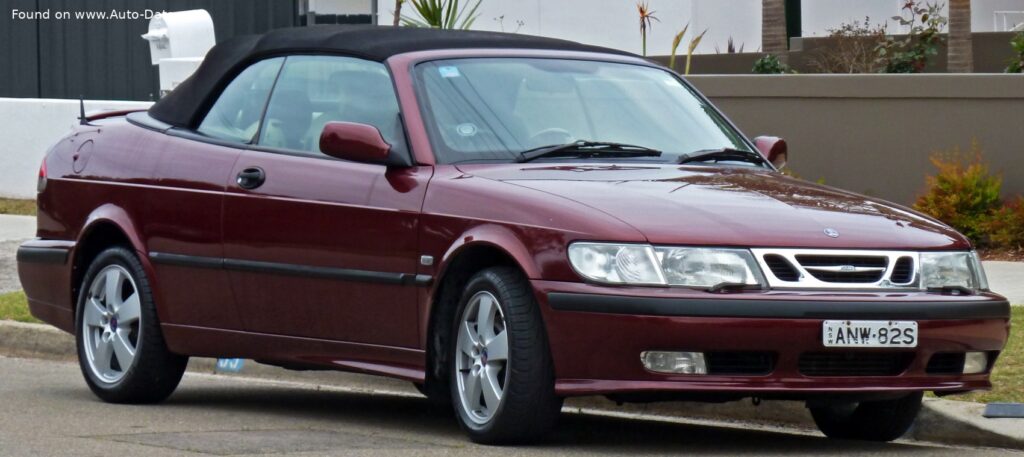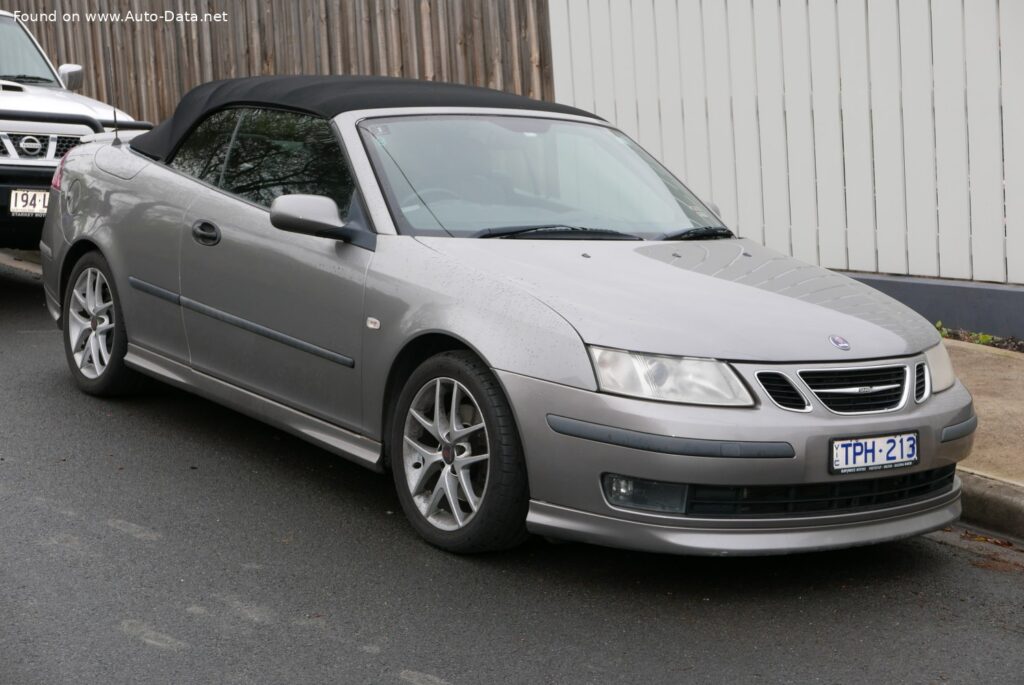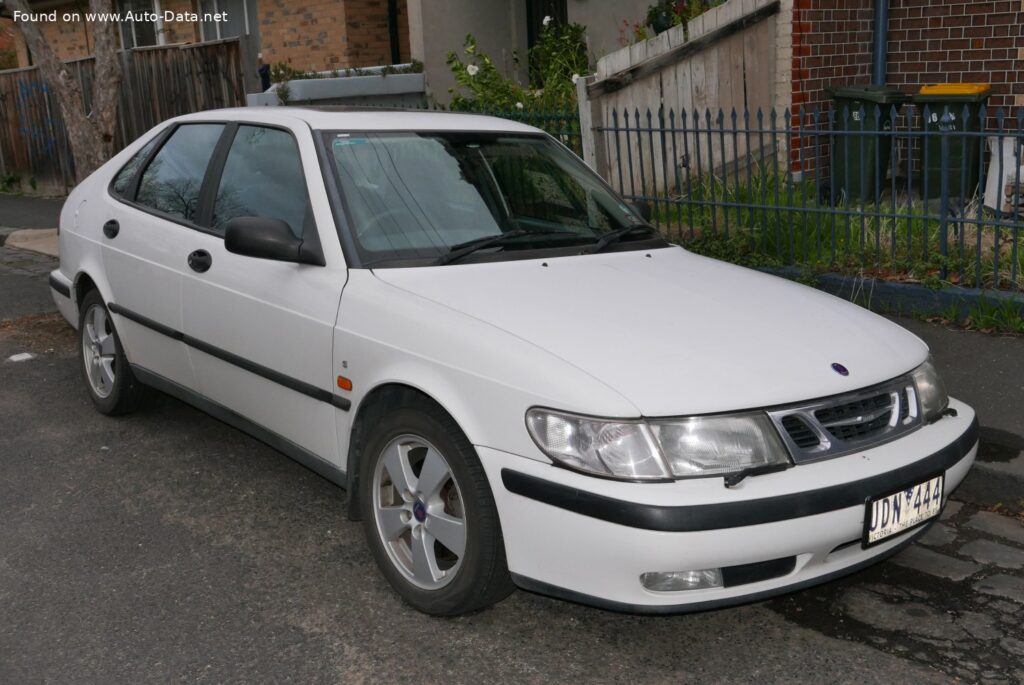
The Saab 9-3, particularly the first generation (1998-2002) represented a significant step forward for the Swedish automaker. Positioned as a compact executive car, the 9-3 aimed to blend Scandinavian practicality with a sporty driving experience. This generation, known internally as the 9-3 I, was available in both hatchback (often referred to as a “SportSedan” by Saab) and sedan body styles, offering buyers a choice to suit their needs. The 2.0i SE Automatic model, producing 130 horsepower, was a popular choice in European markets, offering a balance of performance and fuel efficiency. While Saab never achieved mainstream success in the United States, the 9-3 cultivated a loyal following among enthusiasts who appreciated its unique design and engineering.
Saab 9-3 I: A Detailed Overview
The 9-3 I was a crucial model for Saab, replacing the aging 900. It represented a move towards more contemporary design and technology while retaining the brand’s core values of safety, functionality, and a driver-focused experience. The first generation 9-3 underwent several revisions during its production run, with updates to the engine, interior, and safety features. The 2.0i SE trim level, as featured here, typically included a higher level of standard equipment compared to base models, focusing on comfort and convenience.
Engine & Performance
The heart of the Saab 9-3 2.0i SE is a naturally aspirated 2.0-liter inline-four cylinder engine, designated the B204i. This engine produces 130 horsepower at 6,100 rpm and 177 Nm (130.55 lb.-ft.) of torque at 4,300 rpm. While not a powerhouse, the engine provides adequate performance for everyday driving. Power is delivered to the front wheels via a four-speed automatic transmission. Acceleration from 0 to 60 mph takes approximately 12.4 seconds, and the car has a top speed of 190 km/h (118.06 mph). The engine’s power-to-weight ratio is 96.7 horsepower per tonne, and its torque-to-weight ratio is 131.6 Nm per tonne. Fuel economy is rated at 15.4 l/100 km (15.3 US mpg) in urban conditions and 7.9 l/100 km (29.8 US mpg) on the extra-urban cycle. The engine features multi-port fuel injection and a double overhead camshaft (DOHC) valvetrain, contributing to its relatively smooth operation.
Design & Features
The Saab 9-3 I is instantly recognizable by its distinctive styling, characterized by a wraparound windshield, a sloping roofline (particularly in the hatchback version), and a clean, minimalist interior design. The 2.0i SE model typically featured comfortable seating for five passengers and offered a practical hatchback configuration with 494 liters (17.45 cu. ft.) of trunk space, expandable to 1314 liters (46.4 cu. ft.) with the rear seats folded down. Safety was a key consideration in the 9-3’s design, and the car was equipped with an Anti-lock Braking System (ABS) as standard. The hydraulic power steering provided responsive handling, and the suspension – featuring spring struts at the front and coil springs at the rear – offered a comfortable ride. The car rides on 15-inch wheels with 185/65 R15 tires. The overall dimensions of the 9-3 I are 4629 mm (182.24 in.) in length, 1711 mm (67.36 in.) in width, and 1428 mm (56.22 in.) in height, with a wheelbase of 2605 mm (102.56 in.).
Technical Specifications
| Brand | Saab |
| Model | 9-3 |
| Generation | 9-3 I |
| Type | 2.0i SE (130 Hp) Automatic |
| Start of production | 1998 |
| End of production | 2002 |
| Powertrain Architecture | Internal Combustion engine |
| Body type | Hatchback |
| Seats | 5 |
| Doors | 3-5 |
| Fuel consumption (urban) | 15.4 l/100 km (15.3 US mpg) |
| Fuel consumption (extra urban) | 7.9 l/100 km (29.8 US mpg) |
| Fuel Type | Petrol (Gasoline) |
| Acceleration 0 – 100 km/h | 13 sec |
| Acceleration 0 – 62 mph | 13 sec |
| Acceleration 0 – 60 mph | 12.4 sec |
| Maximum speed | 190 km/h (118.06 mph) |
| Weight-to-power ratio | 10.3 kg/Hp |
| Weight-to-torque ratio | 7.6 kg/Nm |
| Power | 130 Hp @ 6100 rpm |
| Torque | 177 Nm @ 4300 rpm (130.55 lb.-ft. @ 4300 rpm) |
| Engine layout | Front, Transverse |
| Engine Model/Code | B204i |
| Engine displacement | 1985 cm3 (121.13 cu. in.) |
| Number of cylinders | 4 |
| Engine configuration | Inline |
| Cylinder Bore | 90 mm (3.54 in.) |
| Piston Stroke | 78 mm (3.07 in.) |
| Compression ratio | 10.1:1 |
| Number of valves per cylinder | 4 |
| Fuel injection system | Multi-port manifold injection |
| Engine aspiration | Naturally aspirated |
| Valvetrain | DOHC |
| Engine oil capacity | 4 l (4.23 US qt | 3.52 UK qt) |
| Coolant capacity | 8.5 l (8.98 US qt | 7.48 UK qt) |
| Kerb Weight | 1345 kg (2965.22 lbs.) |
| Max. weight | 1860 kg (4100.6 lbs.) |
| Max load | 515 kg (1135.38 lbs.) |
| Trunk (boot) space – minimum | 494 l (17.45 cu. ft.) |
| Trunk (boot) space – maximum | 1314 l (46.4 cu. ft.) |
| Fuel tank capacity | 68 l (17.96 US gal | 14.96 UK gal) |
| Length | 4629 mm (182.24 in.) |
| Width | 1711 mm (67.36 in.) |
| Height | 1428 mm (56.22 in.) |
| Wheelbase | 2605 mm (102.56 in.) |
| Front track | 1452 mm (57.17 in.) |
| Rear track | 1442 mm (56.77 in.) |
| Drivetrain Architecture | Front wheel drive |
| Number of gears | 4 |
| Gearbox type | Automatic transmission |
| Front suspension | Spring Strut |
| Rear suspension | Coil spring |
| Front brakes | Ventilated discs |
| Rear brakes | Disc |
| Assisting systems | ABS (Anti-lock braking system) |
| Steering type | Steering rack and pinion |
| Power steering | Hydraulic |
| Tires size | 185/65 R15 |
| Wheel rims size | 15 |
The Saab 9-3 I 2.0i SE Automatic, while not a performance leader, offered a compelling package of Scandinavian design, practicality, and safety. It remains a fondly remembered car among Saab enthusiasts, representing a unique chapter in the brand’s history.