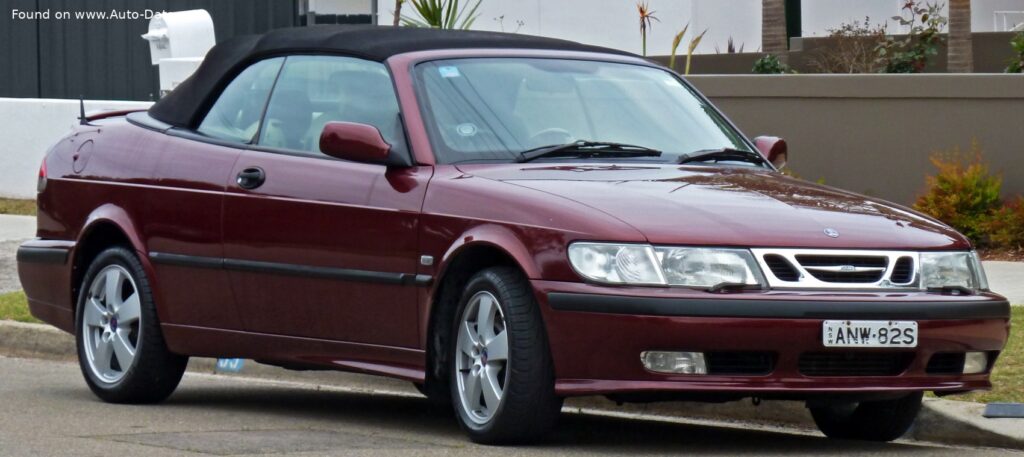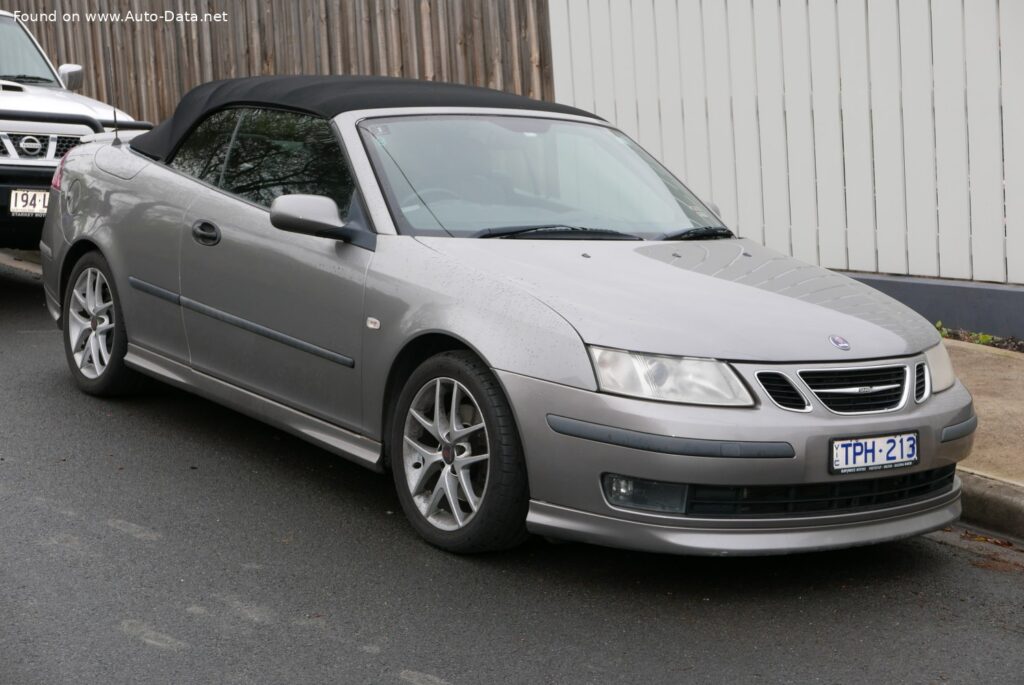
The Saab 9-3, particularly the first generation (1998-2000) 2.2 TiD model, represents a significant entry in the compact executive car segment. While Saab as a brand has a dedicated following, particularly in North America and Europe, the 9-3 aimed to blend Scandinavian design principles with practical usability. This generation, known internally as the 9-3 I, was a crucial model for Saab, establishing a foothold in a competitive market and showcasing the company’s commitment to innovative engineering. The 2.2 TiD variant, powered by a diesel engine, was primarily aimed at the European market where diesel fuel was more prevalent and offered favorable tax incentives.
Saab 9-3 I 2.2 TiD: A Detailed Overview
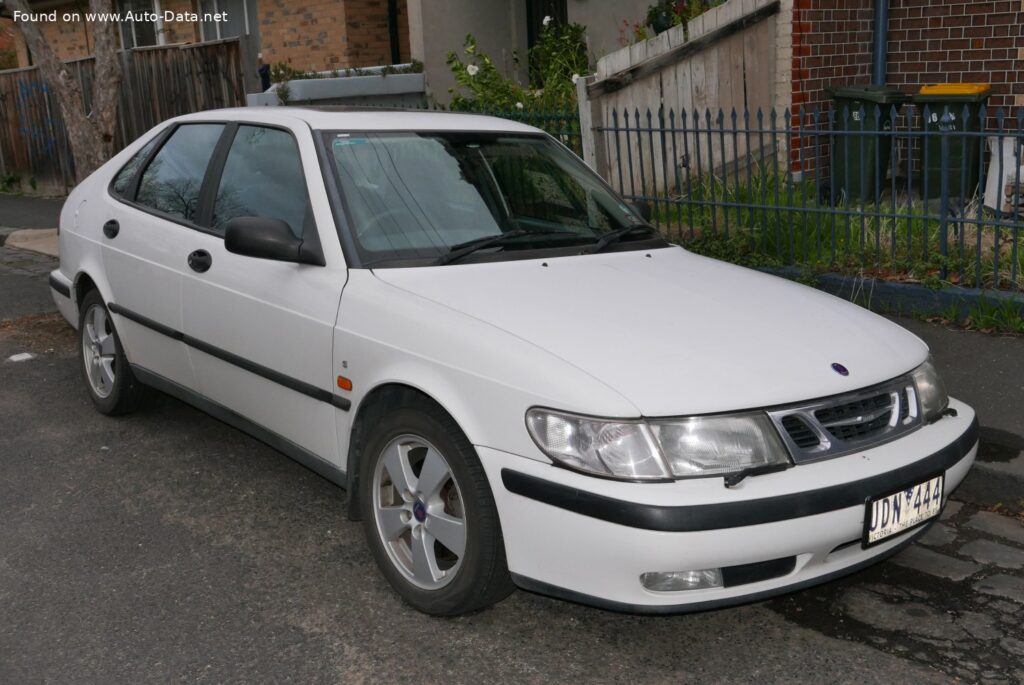
The 9-3 I, launched in 1998, replaced the aging Saab 900 and marked a shift towards a more modern and refined vehicle. Available in both hatchback (often referred to as a “SportSedan” by Saab) and sedan body styles, the 9-3 offered a choice of engines, including gasoline and diesel options. The 2.2 TiD, with its turbocharged diesel engine, provided a balance of fuel efficiency and respectable performance, making it a popular choice for drivers covering long distances. It was a key model in Saab’s lineup during a period of transition and growth.
Engine & Performance
The heart of the Saab 9-3 I 2.2 TiD is its 2.2-liter inline-four cylinder diesel engine, designated the D223L. This engine produces 115 horsepower at 4300 rpm and 260 Nm (191.77 lb.-ft.) of torque at 1900 rpm. The use of a turbocharger significantly enhances the engine’s output, providing a broader torque curve and improved responsiveness. The engine features direct fuel injection, contributing to its efficiency and reduced emissions. Acceleration from 0 to 100 km/h (0-62 mph) takes 10.9 seconds, while 0 to 60 mph is achieved in approximately 10.4 seconds. The top speed is rated at 200 km/h (124.27 mph). The engine’s power-to-weight ratio is 11.7 kg/Hp, and its torque-to-weight ratio is 5.2 kg/Nm, indicating a reasonably efficient powertrain for its time. The engine’s 19:1 compression ratio is typical for a turbocharged diesel engine, maximizing combustion efficiency.
Design & Features
The Saab 9-3 I boasts a distinctive Scandinavian design aesthetic. The hatchback version, with its five doors, offers a practical and versatile layout. The car’s exterior is characterized by clean lines, a sloping roofline, and Saab’s signature wraparound windshield. Inside, the 9-3 I offers a comfortable and ergonomically designed cabin. Safety was a key consideration in the 9-3’s design, and it included features such as Anti-lock Braking System (ABS) as standard equipment. The interior prioritizes driver comfort and control, with a focus on intuitive layout and ease of use. The trunk space is quite generous for a compact car, offering 494 liters (17.45 cu. ft.) with the rear seats up and expanding to 1314 liters (46.4 cu. ft.) with the seats folded down. The 9-3 I’s design aimed to balance practicality with a touch of understated elegance, appealing to drivers seeking a vehicle that is both functional and stylish.
Technical Specifications
| Brand | Saab |
| Model | 9-3 |
| Generation | 9-3 I |
| Type (Engine) | 2.2 TiD (115 Hp) |
| Start of production | 1998 |
| End of production | 2000 |
| Powertrain Architecture | Internal Combustion engine |
| Body type | Hatchback |
| Seats | 5 |
| Doors | 3-5 |
| Fuel consumption (urban) | 8.9 l/100 km (26.4 US mpg) |
| Fuel consumption (extra urban) | 5.4 l/100 km (43.6 US mpg) |
| Fuel Type | Diesel |
| Acceleration 0 – 100 km/h | 10.9 sec |
| Acceleration 0 – 62 mph | 10.9 sec |
| Acceleration 0 – 60 mph | 10.4 sec |
| Maximum speed | 200 km/h (124.27 mph) |
| Weight-to-power ratio | 11.7 kg/Hp |
| Weight-to-torque ratio | 5.2 kg/Nm |
| Power | 115 Hp @ 4300 rpm |
| Torque | 260 Nm @ 1900 rpm (191.77 lb.-ft. @ 1900 rpm) |
| Engine layout | Front, Transverse |
| Engine Model/Code | D223L |
| Engine displacement | 2171 cm3 (132.48 cu. in.) |
| Number of cylinders | 4 |
| Engine configuration | Inline |
| Cylinder Bore | 84 mm (3.31 in.) |
| Piston Stroke | 98 mm (3.86 in.) |
| Compression ratio | 19:1 |
| Number of valves per cylinder | 4 |
| Fuel injection system | Direct injection |
| Engine aspiration | Turbocharger |
| Valvetrain | OHC |
| Engine oil capacity | 5.5 l (5.81 US qt | 4.84 UK qt) |
| Coolant | 8.3 l (8.77 US qt | 7.3 UK qt) |
| Kerb Weight | 1350 kg (2976.24 lbs.) |
| Max. weight | 1910 kg (4210.83 lbs.) |
| Max load | 560 kg (1234.59 lbs.) |
| Trunk (boot) space – minimum | 494 l (17.45 cu. ft.) |
| Trunk (boot) space – maximum | 1314 l (46.4 cu. ft.) |
| Fuel tank capacity | 68 l (17.96 US gal | 14.96 UK gal) |
| Length | 4629 mm (182.24 in.) |
| Width | 1711 mm (67.36 in.) |
| Height | 1428 mm (56.22 in.) |
| Wheelbase | 2605 mm (102.56 in.) |
| Front track | 1452 mm (57.17 in.) |
| Rear (Back) track | 1442 mm (56.77 in.) |
| Drivetrain Architecture | Front wheel drive |
| Number of gears and type of gearbox | 5 gears, manual transmission |
| Front suspension | Spring Strut |
| Rear suspension | Coil spring |
| Front brakes | Ventilated discs |
| Rear brakes | Disc |
| Assisting systems | ABS (Anti-lock braking system) |
| Steering type | Steering rack and pinion |
| Power steering | Hydraulic Steering |
| Tires size | 185/65 R15 |
| Wheel rims size | 15 |
The Saab 9-3 I 2.2 TiD, while no longer in production, remains a testament to Saab’s engineering prowess and distinctive design philosophy. It offered a compelling package for European drivers seeking a fuel-efficient, comfortable, and safe compact executive car.