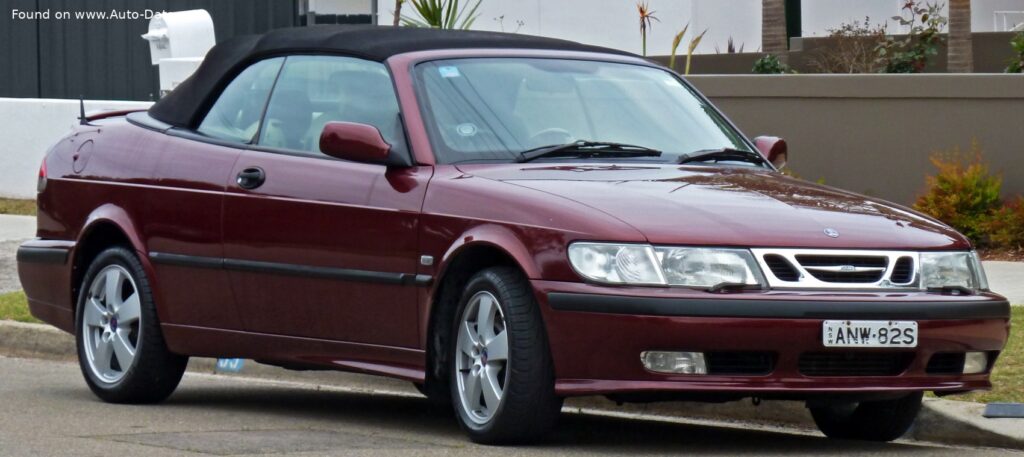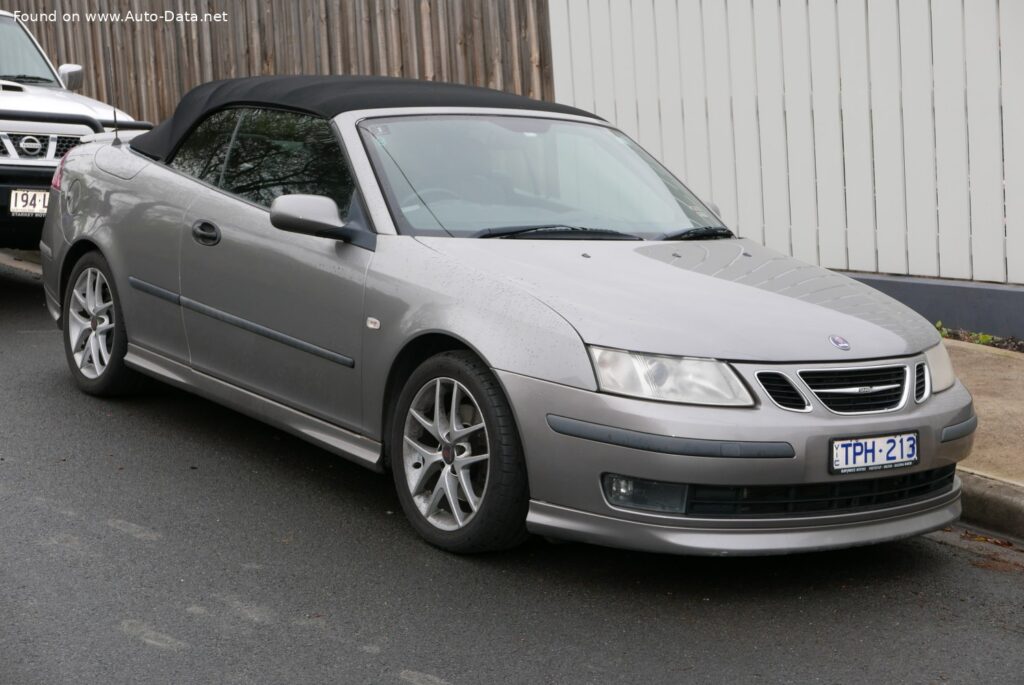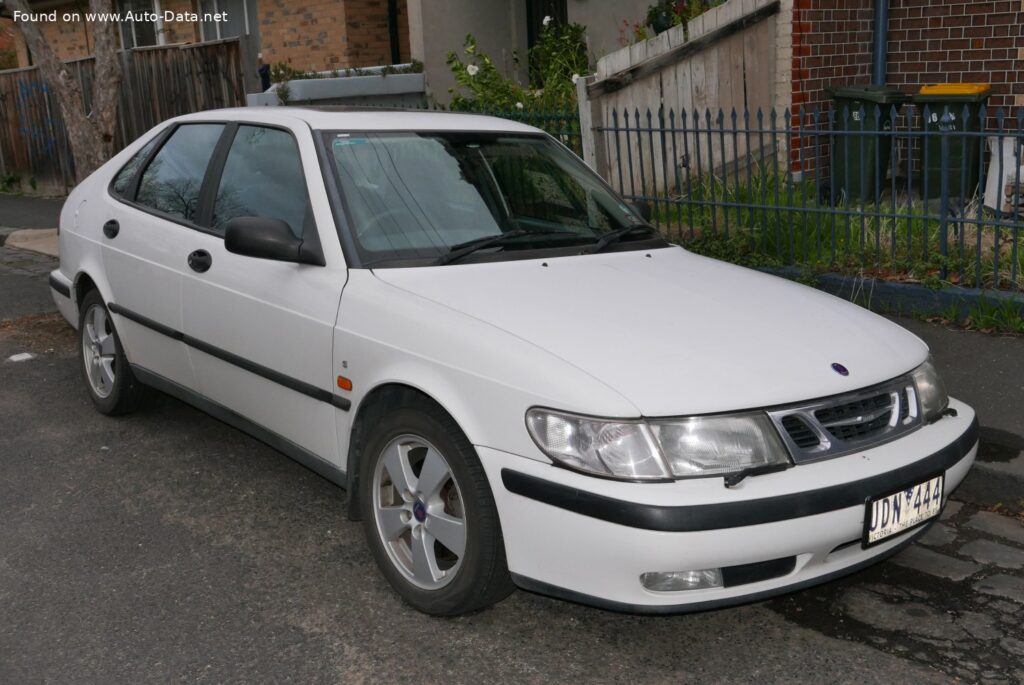
The Saab 9-3, particularly the first generation (1998–2002) represented a significant step forward for the Swedish automaker. Positioned as a compact executive car, the 9-3 aimed to blend Scandinavian practicality with a sporty driving experience. The 2.3 T variant, producing 230 horsepower, was a key model in the lineup, offering a compelling combination of performance and efficiency. While Saab faced unique challenges in the automotive market, the 9-3 established a loyal following and showcased the brand’s commitment to innovative design and engineering. This article focuses on the 2000-2002 model year Saab 9-3 I 2.3 T.
Saab 9-3 I 2.3 T: A Detailed Overview
The Saab 9-3 I (the “I” denoting the first generation) was introduced as a replacement for the aging Saab 900. It was available in both hatchback (often referred to as a “SportSedan” by Saab) and sedan body styles, catering to a wider range of customer preferences. The 2.3 T model, equipped with a turbocharged 2.3-liter inline-four engine, was a popular choice for those seeking a more spirited driving experience. The 9-3 competed with vehicles like the Audi A3, BMW 3 Series, and Volvo S40, offering a distinctive alternative with its unique Scandinavian design and focus on driver comfort.
Engine & Performance
The heart of the Saab 9-3 2.3 T is its 2.3-liter, inline-four cylinder engine, designated the B235R. This engine utilizes a low-pressure turbocharger to deliver a substantial 230 horsepower at 5500 rpm and 350 Nm (258.15 lb.-ft.) of torque at a remarkably low 1900 rpm. This broad torque curve provides excellent responsiveness and strong acceleration in everyday driving situations. The engine features multi-port fuel injection and a double overhead camshaft (DOHC) valvetrain, contributing to its efficient operation and power output. The 9-3 2.3 T could accelerate from 0 to 60 mph in approximately 6.5 seconds and achieve a maximum speed of 250 km/h (155.34 mph). The engine’s power-to-weight ratio of 6 kg/Hp and torque-to-weight ratio of 3.9 kg/Nm further enhance its performance characteristics. The engine’s displacement of 2290 cm3 (139.74 cu. in.) and a compression ratio of 9.3:1 contribute to its balance of power and reliability.
Design & Features
The Saab 9-3 I was characterized by its distinctive styling, a hallmark of the Saab brand. The hatchback body style, in particular, offered a practical and versatile cargo area. The interior was designed with a focus on ergonomics and driver comfort, featuring supportive seats and a logically laid-out dashboard. Safety was also a priority, with standard features like Anti-lock Braking System (ABS). The 9-3 offered a comfortable ride, absorbing road imperfections effectively. The interior offered seating for five passengers, and the hatchback configuration provided a minimum of 494 liters (17.45 cu. ft.) of trunk space, expandable to 1314 liters (46.4 cu. ft.) with the rear seats folded down. The car’s dimensions – a length of 4629 mm (182.24 in.), a width of 1711 mm (67.36 in.), and a height of 1428 mm (56.22 in.) – positioned it squarely within the compact executive segment. The 17-inch wheels, fitted with 215/45 R17 tires, contributed to both the car’s handling and aesthetic appeal.
Technical Specifications
| Brand | Saab |
| Model | 9-3 |
| Generation | 9-3 I |
| Type (Engine) | 2.3 T (230 Hp) |
| Start of production | 2000 |
| End of production | 2002 |
| Powertrain Architecture | Internal Combustion engine |
| Body type | Hatchback |
| Seats | 5 |
| Doors | 3-5 |
| Fuel consumption (urban) | 13.7 l/100 km (17.2 US mpg, 20.6 UK mpg, 7.3 km/l) |
| Fuel consumption (extra urban) | 7.2 l/100 km (32.7 US mpg, 39.2 UK mpg, 13.9 km/l) |
| Fuel Type | Petrol (Gasoline) |
| Acceleration 0 – 100 km/h | 6.8 sec |
| Acceleration 0 – 62 mph | 6.8 sec |
| Acceleration 0 – 60 mph | 6.5 sec |
| Maximum speed | 250 km/h (155.34 mph) |
| Weight-to-power ratio | 6 kg/Hp |
| Weight-to-torque ratio | 3.9 kg/Nm |
| Power | 230 Hp @ 5500 rpm |
| Power per litre | 100.4 Hp/l |
| Torque | 350 Nm @ 1900 rpm (258.15 lb.-ft. @ 1900 rpm) |
| Engine layout | Front, Transverse |
| Engine Model/Code | B235R |
| Engine displacement | 2290 cm3 (139.74 cu. in.) |
| Number of cylinders | 4 |
| Engine configuration | Inline |
| Cylinder Bore | 90 mm (3.54 in.) |
| Piston Stroke | 90 mm (3.54 in.) |
| Compression ratio | 9.3:1 |
| Number of valves per cylinder | 4 |
| Fuel injection system | Multi-port manifold injection |
| Engine aspiration | Turbocharger |
| Valvetrain | DOHC |
| Engine oil capacity | 4 l (4.23 US qt | 3.52 UK qt) |
| Coolant | 8.5 l (8.98 US qt | 7.48 UK qt) |
| Kerb Weight | 1380 kg (3042.38 lbs.) |
| Max. weight | 1870 kg (4122.64 lbs.) |
| Max load | 490 kg (1080.27 lbs.) |
| Trunk (boot) space – minimum | 494 l (17.45 cu. ft.) |
| Trunk (boot) space – maximum | 1314 l (46.4 cu. ft.) |
| Fuel tank capacity | 64 l (16.91 US gal | 14.08 UK gal) |
| Length | 4629 mm (182.24 in.) |
| Width | 1711 mm (67.36 in.) |
| Height | 1428 mm (56.22 in.) |
| Wheelbase | 2605 mm (102.56 in.) |
| Front track | 1466 mm (57.72 in.) |
| Rear (Back) track | 1456 mm (57.32 in.) |
| Drivetrain Architecture | Front wheel drive |
| Number of gears and type of gearbox | 5 gears, manual transmission |
| Front suspension | Spring Strut |
| Rear suspension | Coil spring |
| Front brakes | Ventilated discs |
| Rear brakes | Disc |
| Assisting systems | ABS (Anti-lock braking system) |
| Steering type | Steering rack and pinion |
| Power steering | Hydraulic Steering |
| Tires size | 215/45 R17 |
| Wheel rims size | 17 |
The Saab 9-3 I 2.3 T, while no longer in production, remains a fondly remembered vehicle for its unique blend of Scandinavian design, performance, and practicality. It represents a significant chapter in Saab’s history and continues to appeal to enthusiasts who appreciate its distinctive character.