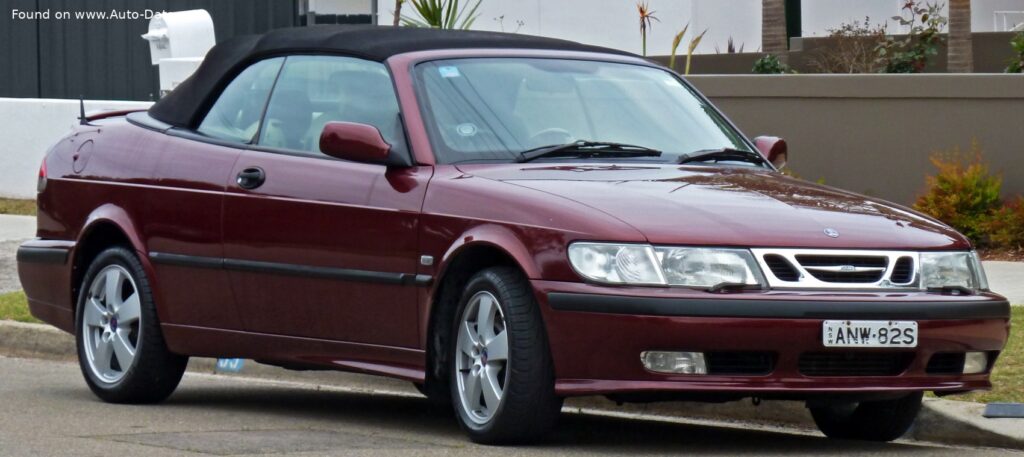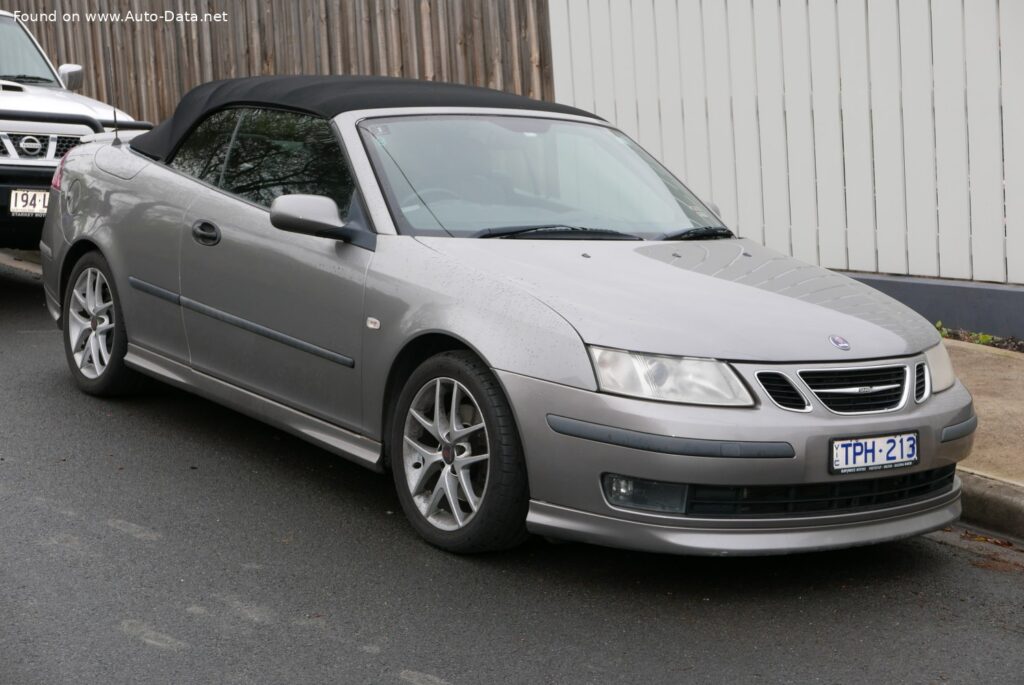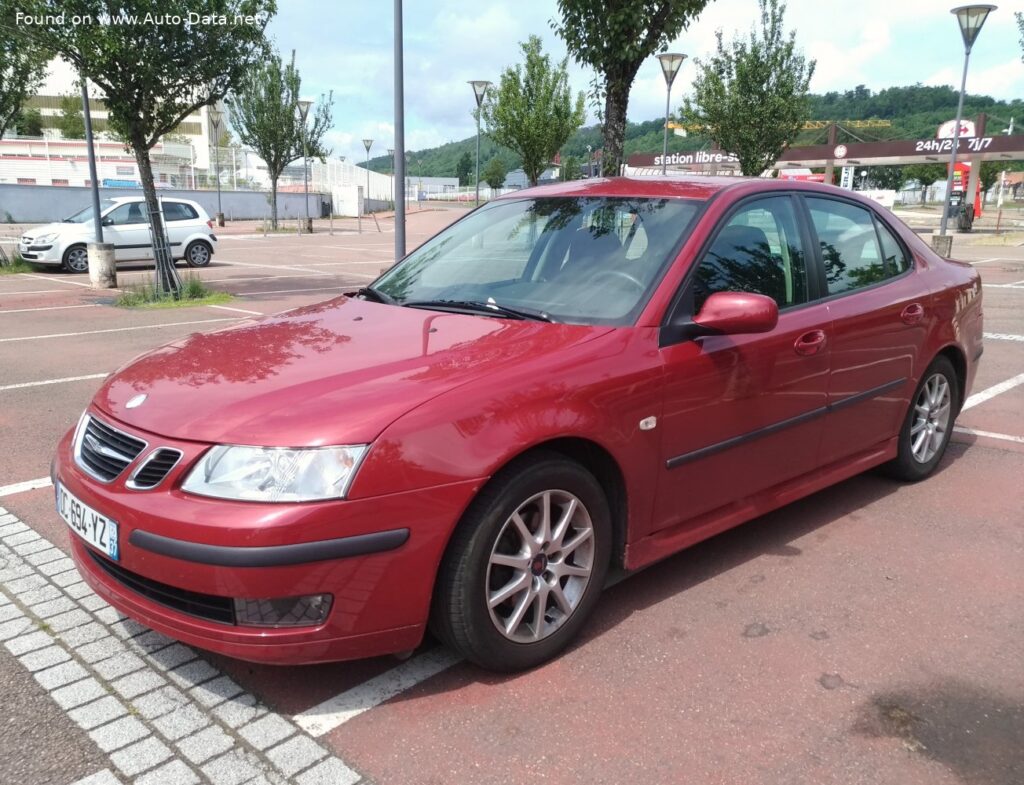
The Saab 9-3 Sedan II 2.0t (150 Hp) Automatic, produced between 2002 and 2007, represents a significant evolution in Saab’s compact executive car lineage. This generation of the 9-3, while not officially sold in the United States during its production run, was a key model for Saab in the European market, competing with vehicles like the Audi A4, BMW 3 Series, and Mercedes-Benz C-Class. It offered a distinctive blend of Scandinavian design, innovative safety features, and turbocharged performance, characteristics that defined the Saab brand. The 9-3 Sedan II aimed to balance practicality with a sporty driving experience, appealing to buyers seeking an alternative to more mainstream offerings.
Saab 9-3 Sedan II: A Detailed Overview
The 9-3 Sedan II was part of a broader effort by General Motors, which acquired a controlling stake in Saab in 1990, to modernize and streamline the Swedish automaker’s product range. This generation benefited from GM’s engineering resources while retaining Saab’s unique identity. The sedan body style was particularly popular, offering a more conventional and accessible option compared to the earlier hatchback versions. The 2.0t variant, equipped with a 150 horsepower turbocharged engine and automatic transmission, was a common configuration, providing a good balance of performance and fuel efficiency for everyday driving.
Engine & Performance
The heart of the Saab 9-3 Sedan II 2.0t is its 1.998-liter inline-four cylinder engine, designated the B207E. This engine utilizes a turbocharger and intercooler to boost power output to 150 horsepower at 5500 rpm and 240 Nm (177.01 lb.-ft.) of torque at 2500 rpm. The turbocharging system provides a noticeable increase in performance, delivering strong acceleration and responsive driving characteristics. Power per liter is rated at 75.1 hp/l. The engine is coupled with a five-speed automatic transmission, providing smooth and convenient gear changes. Acceleration from 0 to 100 km/h (0-62 mph) takes 10.7 seconds, while 0-60 mph is achieved in approximately 10.2 seconds. The vehicle boasts a maximum speed of 205 km/h (127.38 mph). Fuel economy is rated at 8.2 l/100 km (28.7 US mpg, 34.4 UK mpg) combined, with 11.8 l/100 km (19.9 US mpg, 23.9 UK mpg) in urban conditions and 6.2 l/100 km (37.9 US mpg, 45.6 UK mpg) on the open road.
Design & Features
The Saab 9-3 Sedan II features a distinctive Scandinavian design aesthetic, characterized by clean lines, a wraparound cabin, and a focus on functionality. The sedan body style offers a traditional three-box profile, with a relatively long hood and a sloping rear deck. Inside, the cabin is designed with driver comfort and ergonomics in mind. Saab was known for its attention to detail and user-friendly interfaces. The 9-3 Sedan II offered a comfortable interior with seating for five passengers. Standard features typically included air conditioning, power windows and locks, and an audio system. Safety was a key priority for Saab, and the 9-3 Sedan II was equipped with ABS (Anti-lock Braking System) as standard. The vehicle’s kerb weight is 1440 kg (3174.66 lbs), with a maximum weight of 1970 kg (4343.11 lbs) and a maximum load capacity of 530 kg (1168.45 lbs). Trunk space is a practical 425 liters (15.01 cu. ft.).
Technical Specifications
| Brand | Saab |
| Model | 9-3 |
| Generation | 9-3 Sedan II |
| Type (Engine) | 2.0 t (150 Hp) Automatic |
| Start of production | 2002 |
| End of production | 2007 |
| Powertrain Architecture | Internal Combustion engine |
| Body type | Sedan |
| Seats | 5 |
| Doors | 4 |
| Fuel consumption (urban) | 11.8 l/100 km (19.9 US mpg, 23.9 UK mpg) |
| Fuel consumption (extra urban) | 6.2 l/100 km (37.9 US mpg, 45.6 UK mpg) |
| Fuel consumption (combined) | 8.2 l/100 km (28.7 US mpg, 34.4 UK mpg) |
| Fuel Type | Petrol (Gasoline) |
| Acceleration 0 – 100 km/h | 10.7 sec |
| Acceleration 0 – 62 mph | 10.7 sec |
| Acceleration 0 – 60 mph | 10.2 sec |
| Maximum speed | 205 km/h (127.38 mph) |
| Emission standard | Euro 4 |
| Weight-to-power ratio | 9.6 kg/Hp, 104.2 Hp/tonne |
| Weight-to-torque ratio | 6 kg/Nm, 166.7 Nm/tonne |
| Power | 150 Hp @ 5500 rpm |
| Power per litre | 75.1 Hp/l |
| Torque | 240 Nm @ 2500 rpm (177.01 lb.-ft. @ 2500 rpm) |
| Engine layout | Front, Transverse |
| Engine Model/Code | B207E |
| Engine displacement | 1998 cm3 (121.93 cu. in.) |
| Number of cylinders | 4 |
| Engine configuration | Inline |
| Cylinder Bore | 86 mm (3.39 in.) |
| Piston Stroke | 86 mm (3.39 in.) |
| Compression ratio | 9.5:1 |
| Number of valves per cylinder | 4 |
| Fuel injection system | Multi-port manifold injection |
| Engine aspiration | Turbocharger, Intercooler |
| Valvetrain | DOHC |
| Engine oil capacity | 6 l (6.34 US qt | 5.28 UK qt) |
| Coolant | 7.5 l (7.93 US qt | 6.6 UK qt) |
| Kerb Weight | 1440 kg (3174.66 lbs.) |
| Max. weight | 1970 kg (4343.11 lbs.) |
| Max load | 530 kg (1168.45 lbs.) |
| Trunk (boot) space – minimum | 425 l (15.01 cu. ft.) |
| Fuel tank capacity | 62 l (16.38 US gal | 13.64 UK gal) |
| Length | 4635 mm (182.48 in.) |
| Width | 1762 mm (69.37 in.) |
| Height | 1466 mm (57.72 in.) |
| Wheelbase | 2675 mm (105.31 in.) |
| Front track | 1524 mm (60 in.) |
| Rear (Back) track | 1506 mm (59.29 in.) |
| Drivetrain Architecture | The Internal combustion engine (ICE) drives the front wheels of the vehicle. |
| Drive wheel | Front wheel drive |
| Number of gears and type of gearbox | 5 gears, automatic transmission |
| Front suspension | Spring Strut |
| Rear suspension | Coil spring |
| Front brakes | Ventilated discs |
| Rear brakes | Disc |
| Assisting systems | ABS (Anti-lock braking system) |
| Steering type | Steering rack and pinion |
| Power steering | Hydraulic Steering |
| Tires size | 215/60 R15 |
| Wheel rims size | 15 |
The Saab 9-3 Sedan II 2.0t Automatic, despite Saab’s eventual demise in 2011, remains a fondly remembered vehicle for its unique character and blend of Scandinavian design and turbocharged performance. It represents a compelling alternative in the compact executive segment for those seeking a vehicle that stands out from the crowd.