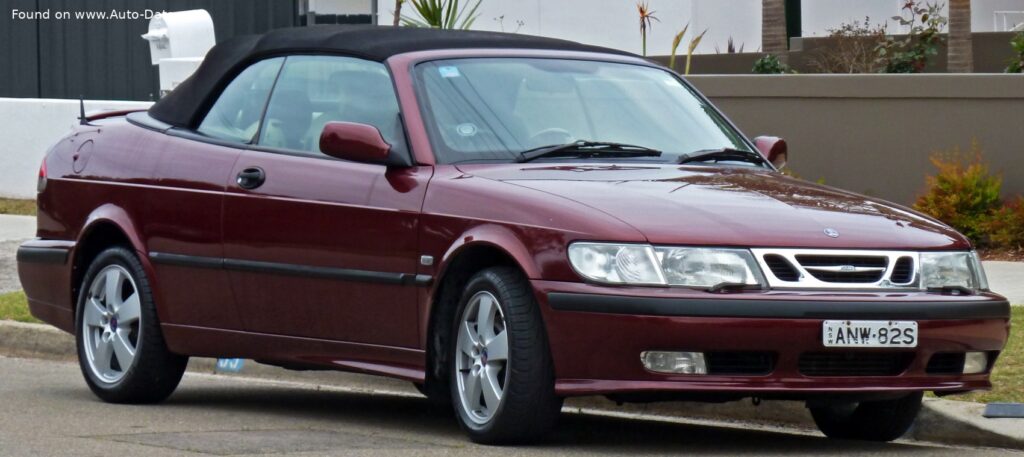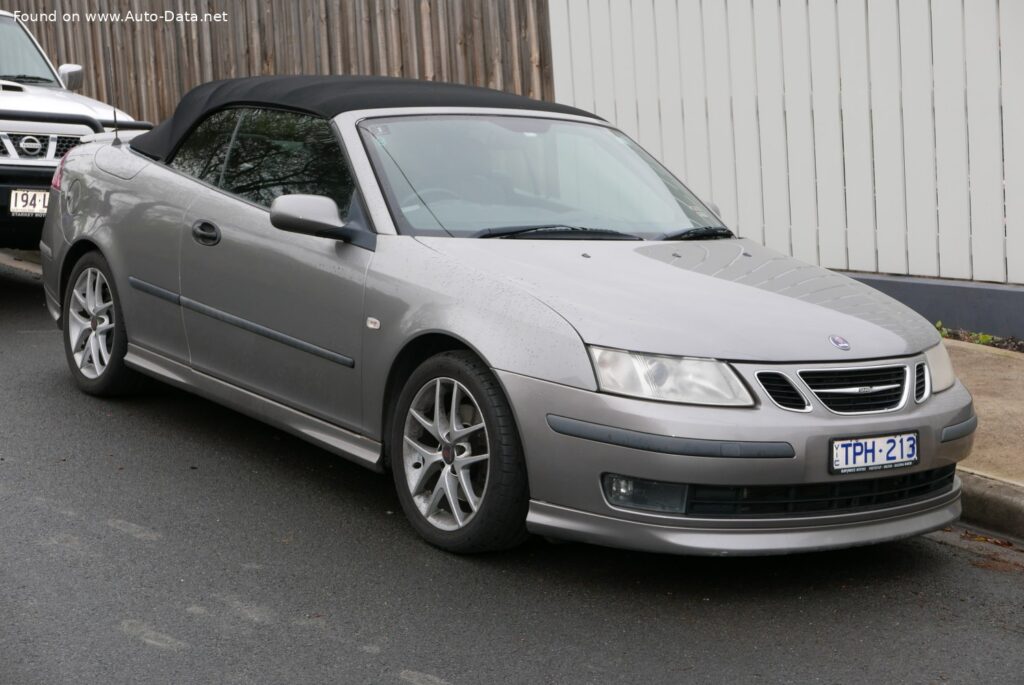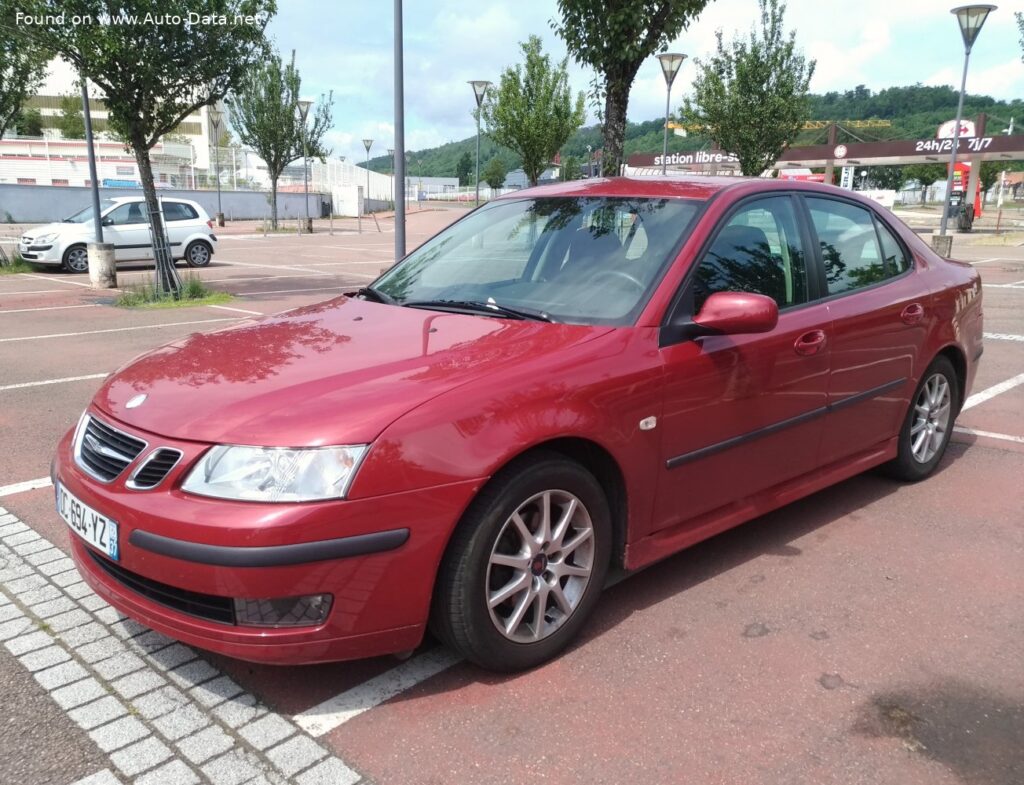
The Saab 9-3 Sedan II 2.0t (175 Hp), produced between 2002 and 2007, represents a significant evolution in Saab’s compact executive car lineage. This generation of the 9-3, while not officially sold in the United States during its production run, was a key model for Saab in Europe, offering a blend of Scandinavian design, turbocharged performance, and a focus on driver safety. It competed with vehicles like the Audi A4, BMW 3 Series, and Volvo S40, aiming to provide a more individualistic alternative within the premium segment.
The Saab 9-3 Sedan II: A Detailed Overview
The 9-3 Sedan II built upon the foundation laid by its predecessor, offering improved refinement, enhanced safety features, and a more contemporary aesthetic. While Saab faced financial difficulties in the years following its production, the 9-3 remained a popular choice for those seeking a distinctive and well-engineered vehicle. The 2.0t variant, equipped with a 175 horsepower turbocharged engine, was a common configuration, balancing performance with reasonable fuel economy.
Engine & Performance
At the heart of the Saab 9-3 Sedan II 2.0t lies the B207L, a 1.998-liter (121.93 cubic inches) inline-four cylinder engine. This engine is characterized by its turbocharging and intercooling, which deliver a responsive and engaging driving experience. Producing 175 horsepower at 5500 rpm and 265 Nm (195.45 lb.-ft.) of torque at 2500 rpm, the 2.0t provides ample power for both urban driving and highway cruising. The engine’s power-to-weight ratio of 8.6 kg/Hp and torque-to-weight ratio of 5.7 kg/Nm contribute to its spirited performance. Acceleration from 0 to 100 km/h (0-62 mph) takes 8.5 seconds, while 0-60 mph is achieved in a calculated 8.1 seconds. The car boasts a maximum speed of 220 km/h (136.7 mph). Fuel economy figures are rated at 11.5 l/100 km (20.5 US mpg) in urban conditions, 6.3 l/100 km (37.3 US mpg) on the extra-urban cycle, and 8.3 l/100 km (28.3 US mpg) combined.
Design & Features
The Saab 9-3 Sedan II features a classic three-box sedan body style with four doors and seating for five passengers. Its design, while evolutionary, retained the brand’s signature styling cues, including a wraparound windshield and a distinctive front grille. The interior prioritized functionality and ergonomics, with a driver-focused layout and comfortable seating. Safety was a key consideration in the 9-3’s design, and the car was equipped with ABS (Anti-lock Braking System) as standard. Other notable features included a hydraulic power steering system, a five-speed manual transmission, and a trunk capacity of 425 liters (15.01 cubic feet). The vehicle’s dimensions are 4635 mm (182.48 in) in length, 1762 mm (69.37 in) in width, and 1466 mm (57.72 in) in height, with a wheelbase of 2675 mm (105.31 in).
Technical Specifications
| Brand | Saab |
| Model | 9-3 |
| Generation | 9-3 Sedan II |
| Type (Engine) | 2.0 t (175 Hp) |
| Start of production | 2002 |
| End of production | 2007 |
| Powertrain Architecture | Internal Combustion engine |
| Body type | Sedan |
| Seats | 5 |
| Doors | 4 |
| Fuel consumption (urban) | 11.5 l/100 km (20.5 US mpg) |
| Fuel consumption (extra urban) | 6.3 l/100 km (37.3 US mpg) |
| Fuel consumption (combined) | 8.3 l/100 km (28.3 US mpg) |
| Fuel Type | Petrol (Gasoline) |
| Acceleration 0 – 100 km/h | 8.5 sec |
| Acceleration 0 – 62 mph | 8.5 sec |
| Acceleration 0 – 60 mph | 8.1 sec |
| Maximum speed | 220 km/h (136.7 mph) |
| Weight-to-power ratio | 8.6 kg/Hp |
| Weight-to-torque ratio | 5.7 kg/Nm |
| Power | 175 Hp @ 5500 rpm |
| Torque | 265 Nm @ 2500 rpm (195.45 lb.-ft. @ 2500 rpm) |
| Engine layout | Front, Transverse |
| Engine Model/Code | B207L |
| Engine displacement | 1998 cm3 (121.93 cu. in.) |
| Number of cylinders | 4 |
| Engine configuration | Inline |
| Cylinder Bore | 86 mm (3.39 in.) |
| Piston Stroke | 86 mm (3.39 in.) |
| Compression ratio | 9.5:1 |
| Number of valves per cylinder | 4 |
| Fuel injection system | Multi-port manifold injection |
| Engine aspiration | Turbocharger, Intercooler |
| Valvetrain | DOHC |
| Engine oil capacity | 6 l (6.34 US qt | 5.28 UK qt) |
| Coolant | 7.5 l (7.93 US qt | 6.6 UK qt) |
| Kerb Weight | 1510 kg (3328.98 lbs.) |
| Max. weight | 1980 kg (4365.15 lbs.) |
| Max load | 470 kg (1036.17 lbs.) |
| Trunk (boot) space – minimum | 425 l (15.01 cu. ft.) |
| Fuel tank capacity | 62 l (16.38 US gal | 13.64 UK gal) |
| Length | 4635 mm (182.48 in.) |
| Width | 1762 mm (69.37 in.) |
| Height | 1466 mm (57.72 in.) |
| Wheelbase | 2675 mm (105.31 in.) |
| Front track | 1524 mm (60 in.) |
| Rear (Back) track | 1506 mm (59.29 in.) |
| Drivetrain Architecture | Front wheel drive |
| Number of gears and type of gearbox | 5 gears, manual transmission |
| Front suspension | Spring Strut |
| Rear suspension | Coil spring |
| Front brakes | Ventilated discs |
| Rear brakes | Disc |
| Assisting systems | ABS (Anti-lock braking system) |
| Steering type | Steering rack and pinion |
| Power steering | Hydraulic Steering |
| Tires size | 215/55 R16 |
| Wheel rims size | 16 |
The Saab 9-3 Sedan II 2.0t, despite its relatively short production run, remains a fondly remembered vehicle for its unique character and blend of performance, safety, and Scandinavian design. While Saab as a brand no longer exists, the 9-3 continues to be appreciated by enthusiasts who value its individuality and engineering prowess.