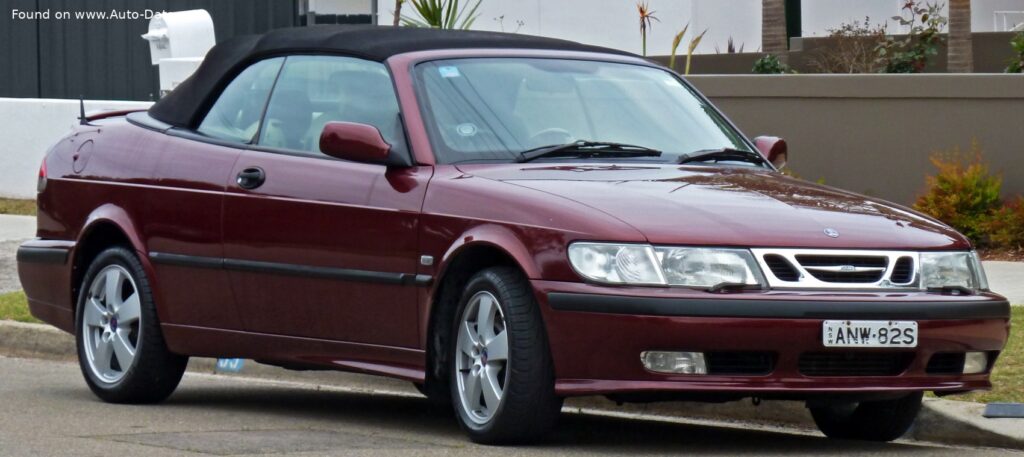
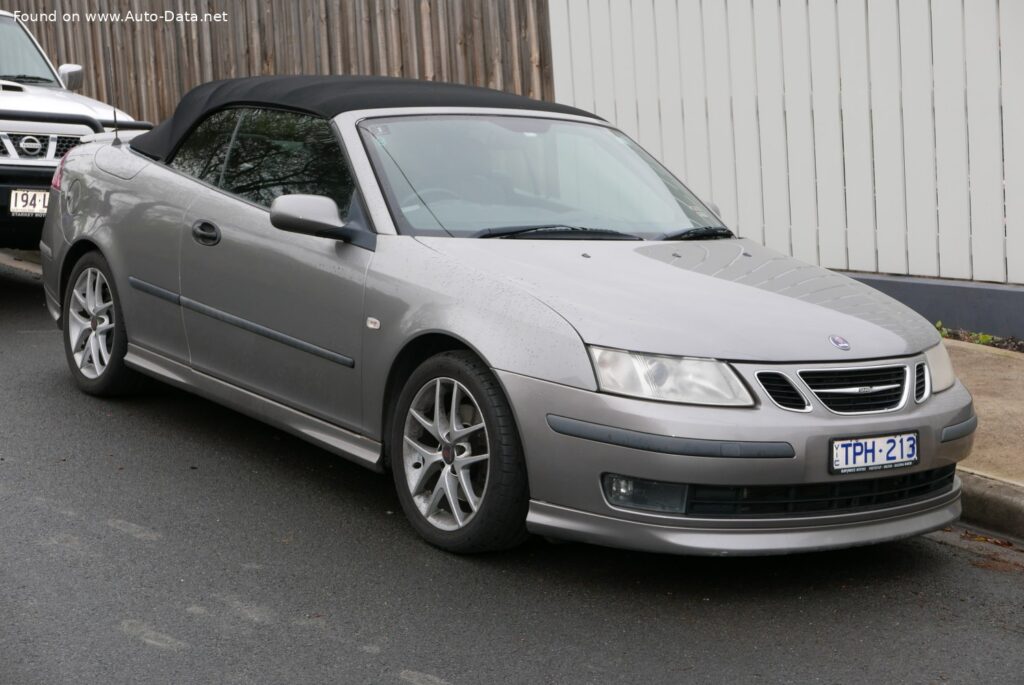
The Saab 9-3 Sport Combi II 2.8 i V6 24V (230 Hp), produced between 2005 and 2007, represents a refined iteration of Saab’s compact executive car. This model, a station wagon (estate) body style, aimed to blend practicality with the brand’s signature Scandinavian design and performance characteristics. While Saab as a brand ultimately faced financial difficulties, the 9-3 Sport Combi II offered a compelling alternative in the European market, particularly for those seeking a stylish and capable family vehicle. It was never officially sold in the United States, but represents a significant model in Saab’s history.
The Saab 9-3 Sport Combi II: A Detailed Overview
The 9-3 Sport Combi II falls within the compact executive car segment, competing with vehicles like the Audi A4 Avant, BMW 3 Series Touring, and Volvo V60. Saab positioned the 9-3 as a more individualistic choice, emphasizing safety, innovation, and a unique driving experience. The “Sport Combi” designation highlights the vehicle’s wagon body style, offering increased cargo capacity compared to the sedan version. The “II” denotes a mid-cycle refresh, bringing styling updates and improvements to the interior and available features.
Engine & Performance
The heart of the 9-3 Sport Combi II 2.8 i V6 24V is a 2.8-liter V6 engine, producing 230 horsepower at 5500 rpm and 320 Nm (236.02 lb.-ft.) of torque at 2000 rpm. This engine, identified by the code B284L, features multi-port fuel injection and a robust valvetrain with four valves per cylinder (DOHC). The engine’s transverse front-engine layout contributes to balanced handling. Power is delivered to the front wheels via a 6-speed manual transmission. This configuration allows for a 0-100 km/h (0-62 mph) acceleration time of 7.5 seconds, and a calculated 0-60 mph time of 7.1 seconds. The vehicle boasts a maximum speed of 235 km/h (146.02 mph). The power-to-weight ratio of 6.8 kg/Hp and torque-to-weight ratio of 4.9 kg/Nm contribute to a responsive driving experience. While not a high-performance machine, the V6 provides ample power for everyday driving and comfortable long-distance cruising.
Design & Features
The Saab 9-3 Sport Combi II is instantly recognizable by its distinctive Scandinavian design language. The wagon body style offers a practical and spacious interior, with a minimum trunk capacity of 419 liters (14.8 cu. ft.) expanding to a generous 1273 liters (44.96 cu. ft.) with the rear seats folded down. The vehicle seats five passengers comfortably. Exterior dimensions include a length of 4654 mm (183.23 in.), a width of 1782 mm (70.16 in.), and a height of 1507 mm (59.33 in.).
Safety was a key consideration in the 9-3’s design. The vehicle is equipped with ABS (Anti-lock Braking System) as standard, enhancing braking performance and stability. Ventilated disc brakes are used on the front wheels, while disc brakes are fitted to the rear. The suspension utilizes a spring strut setup on both the front and rear axles, providing a balance between comfort and handling. The steering system employs a rack and pinion design for precise control. Standard tire size is 225/45 R17, mounted on 17-inch wheel rims. The interior features a functional and ergonomically designed cabin, typical of Saab’s focus on driver comfort and usability.
Technical Specifications
| Brand | Saab |
| Model | 9-3 |
| Generation | 9-3 Sport Combi II |
| Type (Engine) | 2.8 i V6 24V (230 Hp) |
| Start of production | 2005 |
| End of production | 2007 |
| Powertrain Architecture | Internal Combustion engine |
| Body type | Station wagon (estate) |
| Seats | 5 |
| Doors | 5 |
| Fuel consumption (urban) | 15.5 l/100 km (15.2 US mpg / 18.2 UK mpg / 6.5 km/l) |
| Fuel consumption (extra urban) | 7.3 l/100 km (32.2 US mpg / 38.7 UK mpg / 13.7 km/l) |
| Fuel Type | Petrol (Gasoline) |
| Acceleration 0 – 100 km/h | 7.5 sec |
| Acceleration 0 – 62 mph | 7.5 sec |
| Acceleration 0 – 60 mph | 7.1 sec |
| Maximum speed | 235 km/h (146.02 mph) |
| Weight-to-power ratio | 6.8 kg/Hp |
| Weight-to-torque ratio | 4.9 kg/Nm |
| Power | 230 Hp @ 5500 rpm |
| Power per litre | 82.4 Hp/l |
| Torque | 320 Nm @ 2000 rpm (236.02 lb.-ft. @ 2000 rpm) |
| Engine layout | Front, Transverse |
| Engine Model/Code | B284L |
| Engine displacement | 2792 cm3 (170.38 cu. in.) |
| Number of cylinders | 6 |
| Engine configuration | V-engine |
| Cylinder Bore | 89 mm (3.5 in.) |
| Piston Stroke | 74.8 mm (2.94 in.) |
| Compression ratio | 9.5:1 |
| Number of valves per cylinder | 4 |
| Fuel injection system | Multi-port manifold injection |
| Engine aspiration | Turbocharger, Intercooler |
| Valvetrain | DOHC |
| Engine oil capacity | 6 l (6.34 US qt | 5.28 UK qt) |
| Kerb Weight | 1570 kg (3461.26 lbs.) |
| Max. weight | 2120 kg (4673.8 lbs.) |
| Max load | 550 kg (1212.54 lbs.) |
| Trunk (boot) space – minimum | 419 l (14.8 cu. ft.) |
| Trunk (boot) space – maximum | 1273 l (44.96 cu. ft.) |
| Fuel tank capacity | 62 l (16.38 US gal | 13.64 UK gal) |
| Length | 4654 mm (183.23 in.) |
| Width | 1782 mm (70.16 in.) |
| Height | 1507 mm (59.33 in.) |
| Wheelbase | 2675 mm (105.31 in.) |
| Front track | 1524 mm (60 in.) |
| Rear track | 1506 mm (59.29 in.) |
| Drivetrain Architecture | Front wheel drive |
| Number of gears | 6 |
| Gearbox type | Manual transmission |
| Front suspension | Spring Strut |
| Rear suspension | Spring Strut |
| Front brakes | Ventilated discs |
| Rear brakes | Disc |
| Tires size | 225/45 R17 |
| Wheel rims size | 17 |
The Saab 9-3 Sport Combi II 2.8 i V6 24V, while a product of a bygone era for the Swedish automaker, remains a testament to Saab’s commitment to distinctive design, practical functionality, and a unique driving experience. It offered a compelling alternative in the competitive compact executive wagon segment, appealing to drivers who valued individuality and Scandinavian engineering.