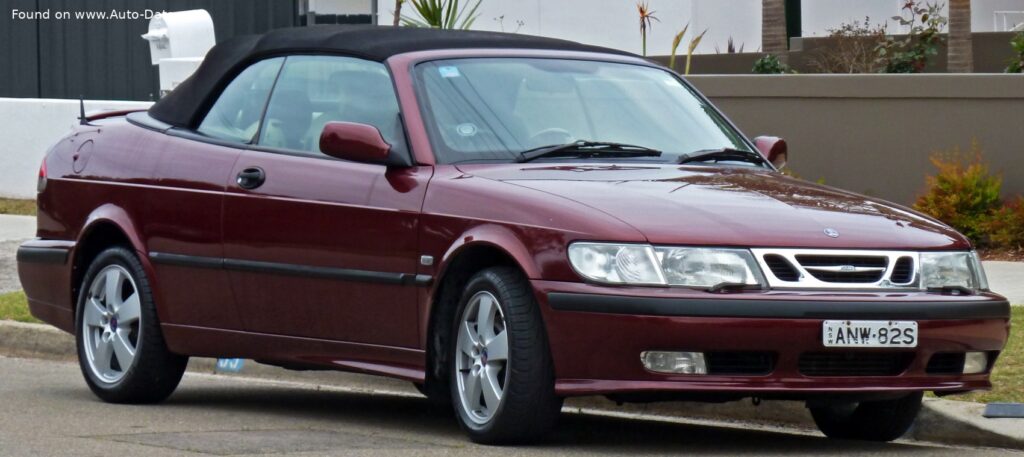
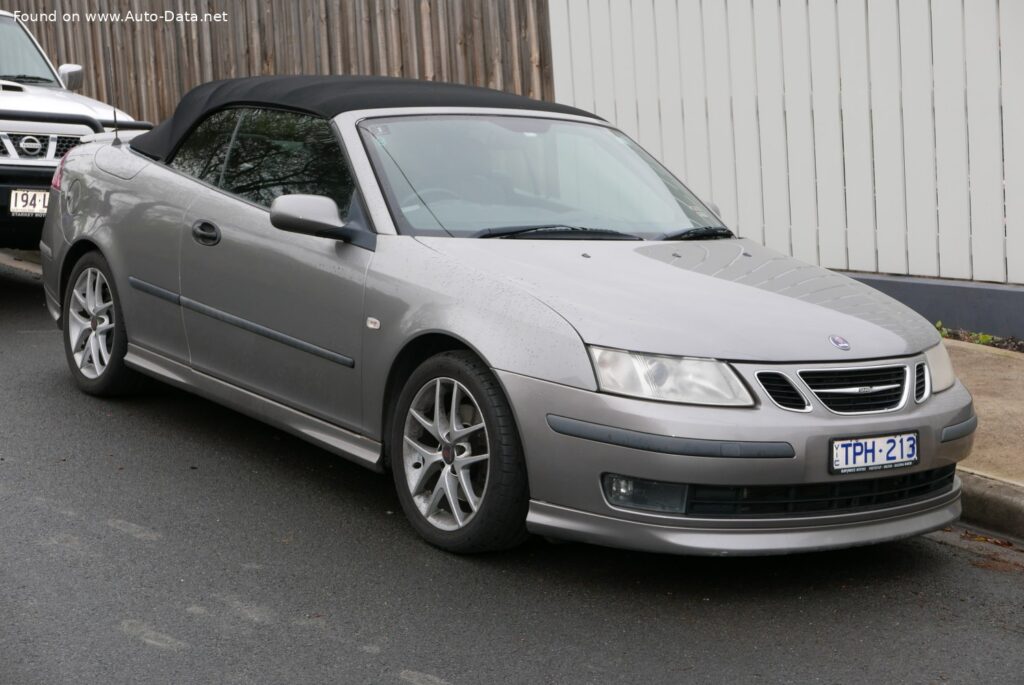
The Saab 9-3 Sport Combi II 2.8T V6 (250 Hp) Sentronic, produced between 2005 and 2007, represents a refined iteration of Saab’s compact executive car. This model, a station wagon (estate) body style, aimed to blend practicality with the brand’s signature Scandinavian design and performance characteristics. While Saab as a brand ultimately ceased production in 2011, the 9-3 series, and particularly the Sport Combi, held a loyal following, especially in Europe, where the wagon body style is highly favored. The 2.8T V6 variant offered a compelling combination of power and usability, positioning itself as a premium alternative within its segment.
Saab 9-3 Sport Combi II: A Detailed Overview
The 9-3 Sport Combi II was part of the second generation of the 9-3, introduced in 2002. This generation marked a significant step forward for Saab, incorporating a new chassis and a more contemporary design language. The “Sport Combi” designation specifically refers to the wagon version, offering increased cargo capacity and versatility compared to the sedan. The 2.8T V6 model, equipped with Saab’s Sentronic automatic transmission, was a top-tier offering, appealing to buyers seeking a more powerful and refined driving experience.
Engine & Performance
At the heart of the 9-3 Sport Combi II 2.8T V6 lies a 2.8-liter V6 engine, producing 250 horsepower at 5500 rpm and 350 Nm (258.15 lb.-ft.) of torque between 2000 and 2750 rpm. This engine, designated as the B284R, features a turbocharger and intercooler, enhancing both power and efficiency. The transverse engine layout contributes to a more compact engine bay, optimizing space utilization. Power is delivered to the front wheels via a six-speed Sentronic automatic transmission, offering smooth and responsive gear changes. Performance figures include a 0-100 km/h (0-62 mph) acceleration time of 7.8 seconds and a 0-60 mph time of 7.4 seconds, with a maximum speed of 240 km/h (149.13 mph). The engine’s specific output is 89.5 horsepower per liter, demonstrating its relatively high level of performance. The weight-to-power ratio of 6.3 kg/Hp and weight-to-torque ratio of 4.5 kg/Nm further highlight the vehicle’s performance capabilities.
Design & Features
The Saab 9-3 Sport Combi II boasts a distinctive Scandinavian design aesthetic, characterized by clean lines and a focus on functionality. The station wagon body style provides a generous 419 liters (14.8 cu. ft.) of trunk space, expandable to 1273 liters (44.96 cu. ft.) with the rear seats folded down. The vehicle’s dimensions – 4654 mm (183.23 in.) in length, 1762 mm (69.37 in.) in width, and 1492 mm (58.74 in.) in height – position it squarely within the compact executive segment. Safety features, typical for the mid-2000s, included ABS (Anti-lock Braking System) and ventilated disc brakes on all four wheels. The interior prioritized driver comfort and ergonomics, reflecting Saab’s commitment to human-centered design. The vehicle’s hydraulic power steering and independent suspension systems (McPherson struts at the front and a multi-link setup at the rear) contribute to a comfortable and controlled ride. The 9-3 Sport Combi II also offered a respectable fuel tank capacity of 58 liters (15.32 US gal).
Technical Specifications
| Brand | Saab |
| Model | 9-3 |
| Generation | 9-3 Sport Combi II |
| Type (Engine) | 2.8T V6 (250 Hp) Sentronic |
| Start of production | 2005 |
| End of production | 2007 |
| Powertrain Architecture | Internal Combustion engine |
| Body type | Station wagon (estate) |
| Seats | 5 |
| Doors | 5 |
| Fuel consumption (urban) | 17.2 l/100 km (13.7 US mpg, 16.4 UK mpg, 5.8 km/l) |
| Fuel consumption (extra urban) | 7.4 l/100 km (31.8 US mpg, 38.2 UK mpg, 13.5 km/l) |
| Fuel consumption (combined) | 11 l/100 km (21.4 US mpg, 25.7 UK mpg, 9.1 km/l) |
| CO2 emissions | 255 g/km |
| Fuel Type | Petrol (Gasoline) |
| Acceleration 0 – 100 km/h | 7.8 sec |
| Acceleration 0 – 62 mph | 7.8 sec |
| Acceleration 0 – 60 mph | 7.4 sec |
| Maximum speed | 240 km/h (149.13 mph) |
| Emission standard | Euro 4 |
| Weight-to-power ratio | 6.3 kg/Hp |
| Weight-to-torque ratio | 4.5 kg/Nm |
| Power | 250 Hp @ 5500 rpm |
| Torque | 350 Nm @ 2000-2750 rpm (258.15 lb.-ft. @ 2000-2750 rpm) |
| Engine layout | Front, Transverse |
| Engine Model/Code | B284R |
| Engine displacement | 2792 cm3 (170.38 cu. in.) |
| Number of cylinders | 6 |
| Engine configuration | V-engine |
| Cylinder Bore | 89 mm (3.5 in.) |
| Piston Stroke | 74.8 mm (2.94 in.) |
| Compression ratio | 9.5:1 |
| Number of valves per cylinder | 4 |
| Fuel injection system | Multi-port manifold injection |
| Engine aspiration | Turbocharger, Intercooler |
| Valvetrain | DOHC |
| Engine oil capacity | 6 l (6.34 US qt | 5.28 UK qt) |
| Coolant | 9.6 l (10.14 US qt | 8.45 UK qt) |
| Kerb Weight | 1570 kg (3461.26 lbs.) |
| Max. weight | 2120 kg (4673.8 lbs.) |
| Max load | 550 kg (1212.54 lbs.) |
| Trunk (boot) space – minimum | 419 l (14.8 cu. ft.) |
| Trunk (boot) space – maximum | 1273 l (44.96 cu. ft.) |
| Fuel tank capacity | 58 l (15.32 US gal | 12.76 UK gal) |
| Max. roof load | 100 kg (220.46 lbs.) |
| Length | 4654 mm (183.23 in.) |
| Width | 1762 mm (69.37 in.) |
| Width including mirrors | 2038 mm (80.24 in.) |
| Height | 1492 mm (58.74 in.) |
| Wheelbase | 2675 mm (105.31 in.) |
| Front track | 1524 mm (60 in.) |
| Rear (Back) track | 1506 mm (59.29 in.) |
| Front overhang | 965 mm (37.99 in.) |
| Rear overhang | 1014 mm (39.92 in.) |
| Ride height (ground clearance) | 120 mm (4.72 in.) |
| Minimum turning circle (turning diameter) | 12.2 m (40.03 ft.) |
| Drive wheel | Front wheel drive |
| Number of gears and type of gearbox | 6 gears, automatic transmission Sentronic |
| Front suspension | Independent, type McPherson with coil spring and anti-roll bar |
| Rear suspension | Independent multi-link spring suspension with stabilizer |
| Front brakes | Ventilated discs |
| Rear brakes | Ventilated discs |
| Steering type | Steering rack and pinion |
| Power steering | Hydraulic Steering |
| Tires size | 235/45 R17 |
| Wheel rims size | 7.5J x 17 |
The Saab 9-3 Sport Combi II 2.8T V6 Sentronic, while no longer in production, remains a testament to Saab’s engineering prowess and distinctive design philosophy. It offered a compelling blend of performance, practicality, and Scandinavian style, appealing to a niche but dedicated customer base.