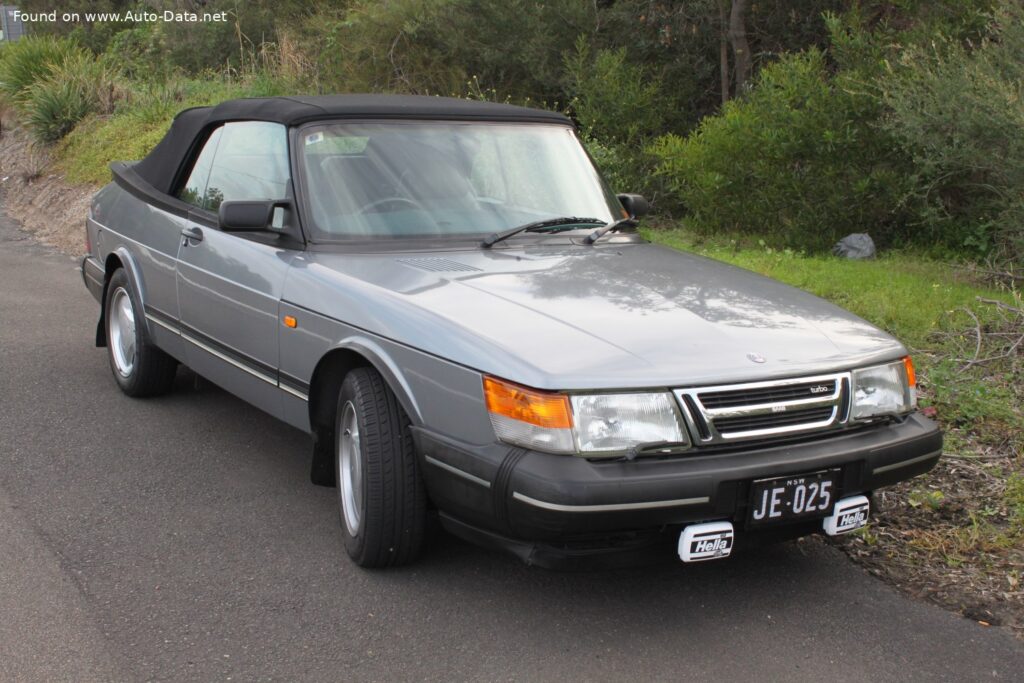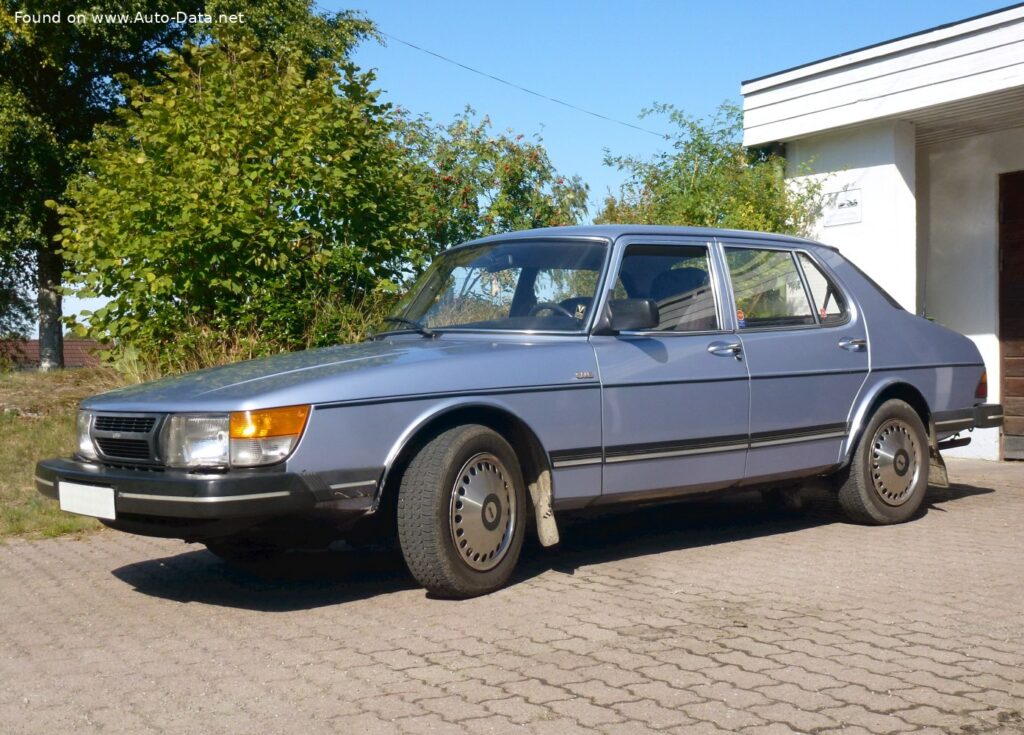
The Saab 900, particularly the first generation (900 I) produced from 1978 to 1987, represents a pivotal moment in the Swedish automaker’s history. Introduced as a replacement for the long-running Saab 96, the 900 aimed to modernize the brand while retaining its commitment to safety, aerodynamic efficiency, and driver-focused design. The 2.0 i 16V Turbo variant, produced from 1984 to 1986, was a performance-oriented version of the 900, offering a significant power upgrade through the addition of a turbocharger and a 16-valve cylinder head. This model cemented Saab’s reputation for building distinctive and capable automobiles, particularly appealing to enthusiasts seeking a blend of practicality and spirited driving.
Saab 900 I 2.0 i 16V Turbo: A Detailed Overview
The Saab 900 I 2.0 i 16V Turbo occupied a unique position in the European automotive market. While not directly competing with mass-market sedans, it appealed to buyers who valued individuality, safety, and a more engaging driving experience. Saab, unlike many of its contemporaries, cultivated a loyal following based on its unconventional engineering and design philosophies. The 900, and especially the turbocharged variants, were often seen as alternatives to more mainstream offerings from German and British manufacturers.
Engine & Performance
The heart of the Saab 900 I 2.0 i 16V Turbo is its 1,985 cc (121.13 cubic inches) inline-four cylinder engine. Designated the B202, this engine featured multi-port fuel injection and, crucially, a turbocharger coupled with a 16-valve cylinder head. This configuration allowed the engine to produce 175 horsepower at 5,500 rpm and 273 Nm (201.35 lb-ft) of torque at 2,800 rpm. The turbocharger significantly enhanced the engine’s responsiveness and provided a noticeable boost in power across the rev range. Power per liter was an impressive 88.2 hp/l for the era. The engine’s transverse mounting and front-wheel drive configuration contributed to its balanced handling characteristics. Acceleration from 0 to 100 km/h (0-62 mph) took 8.7 seconds, while 0-60 mph was achieved in a calculated 8.3 seconds. The car boasted a top speed of 210 km/h (130.49 mph).
Design & Features
The Saab 900 I was instantly recognizable for its distinctive wedge-shaped silhouette and aerodynamic design. The body style is a four-door sedan, offering seating for five passengers. Saab prioritized safety in the 900’s design, incorporating a robust safety cage and energy-absorbing crumple zones. The interior was characterized by its functional layout and comfortable seating. A key feature was the wrap-around dashboard, designed to position all controls within easy reach of the driver. The 900 also featured a relatively spacious trunk, offering between 600 and 1,600 liters (21.19 to 56.5 cubic feet) of cargo capacity depending on the rear seats’ configuration. The car’s hydraulic power steering and ventilated front disc brakes contributed to a comfortable and controlled driving experience. The 195/60 VR15 tires mounted on 15-inch wheel rims provided adequate grip and handling.
Technical Specifications
| Brand | Saab |
| Model | 900 |
| Generation | 900 I |
| Type (Engine) | 2.0 i 16V Turbo (175 Hp) |
| Start of production | 1984 |
| End of production | 1986 |
| Powertrain Architecture | Internal Combustion engine |
| Body type | Sedan |
| Seats | 5 |
| Doors | 4 |
| Fuel consumption (urban) | 11.2 l/100 km (21 US mpg / 25.2 UK mpg) |
| Fuel consumption (extra urban) | 6.8 l/100 km (34.6 US mpg / 41.5 UK mpg) |
| Fuel consumption (combined) | 10.2 l/100 km (23.1 US mpg / 27.7 UK mpg) |
| Fuel Type | Petrol (Gasoline) |
| Acceleration 0 – 100 km/h | 8.7 sec |
| Acceleration 0 – 62 mph | 8.7 sec |
| Acceleration 0 – 60 mph | 8.3 sec |
| Maximum speed | 210 km/h (130.49 mph) |
| Weight-to-power ratio | 7.5 kg/Hp |
| Weight-to-torque ratio | 4.8 kg/Nm |
| Power | 175 Hp @ 5500 rpm |
| Torque | 273 Nm @ 2800 rpm (201.35 lb.-ft. @ 2800 rpm) |
| Engine layout | Front, Transverse |
| Engine Model/Code | B202 |
| Engine displacement | 1985 cm3 (121.13 cu. in.) |
| Number of cylinders | 4 |
| Engine configuration | Inline |
| Cylinder Bore | 90 mm (3.54 in.) |
| Piston Stroke | 78 mm (3.07 in.) |
| Compression ratio | 9:1 |
| Number of valves per cylinder | 4 |
| Fuel injection system | Multi-port manifold injection |
| Engine aspiration | Turbocharger |
| Engine oil capacity | 4 l (4.23 US qt | 3.52 UK qt) |
| Coolant capacity | 10 l (10.57 US qt | 8.8 UK qt) |
| Kerb Weight | 1315 kg (2899.08 lbs.) |
| Max. weight | 1740 kg (3836.04 lbs.) |
| Max load | 425 kg (936.96 lbs.) |
| Trunk (boot) space – minimum | 600 l (21.19 cu. ft.) |
| Trunk (boot) space – maximum | 1600 l (56.5 cu. ft.) |
| Fuel tank capacity | 63 l (16.64 US gal | 13.86 UK gal) |
| Length | 4680 mm (184.25 in.) |
| Width | 1690 mm (66.54 in.) |
| Height | 1420 mm (55.91 in.) |
| Wheelbase | 2515 mm (99.02 in.) |
| Front track | 1430 mm (56.3 in.) |
| Rear track | 1440 mm (56.69 in.) |
| Drivetrain Architecture | Front wheel drive |
| Number of gears and type of gearbox | 5 gears, manual transmission |
| Front suspension | Wishbone |
| Rear suspension | Coil spring |
| Front brakes | Ventilated discs |
| Rear brakes | Disc |
| Assisting systems | ABS (Anti-lock braking system) |
| Steering type | Steering rack and pinion |
| Power steering | Hydraulic Steering |
| Tires size | 195/60 VR15 |
| Wheel rims size | 15 |
The Saab 900 I 2.0 i 16V Turbo remains a highly regarded classic car, appreciated for its unique character, robust engineering, and engaging driving dynamics. It represents a significant chapter in Saab’s history and continues to attract a dedicated following among automotive enthusiasts.