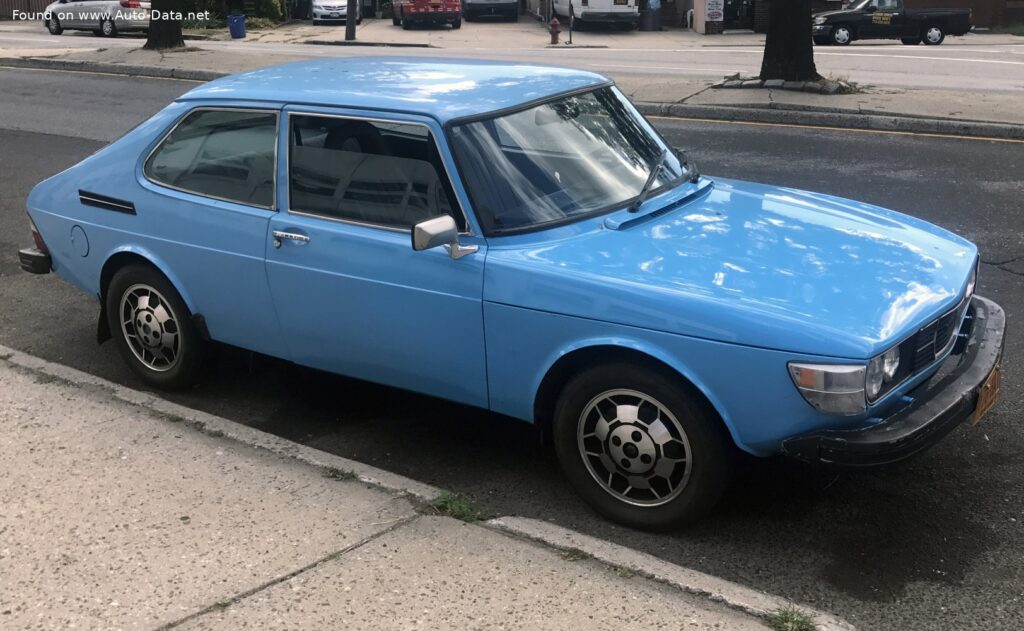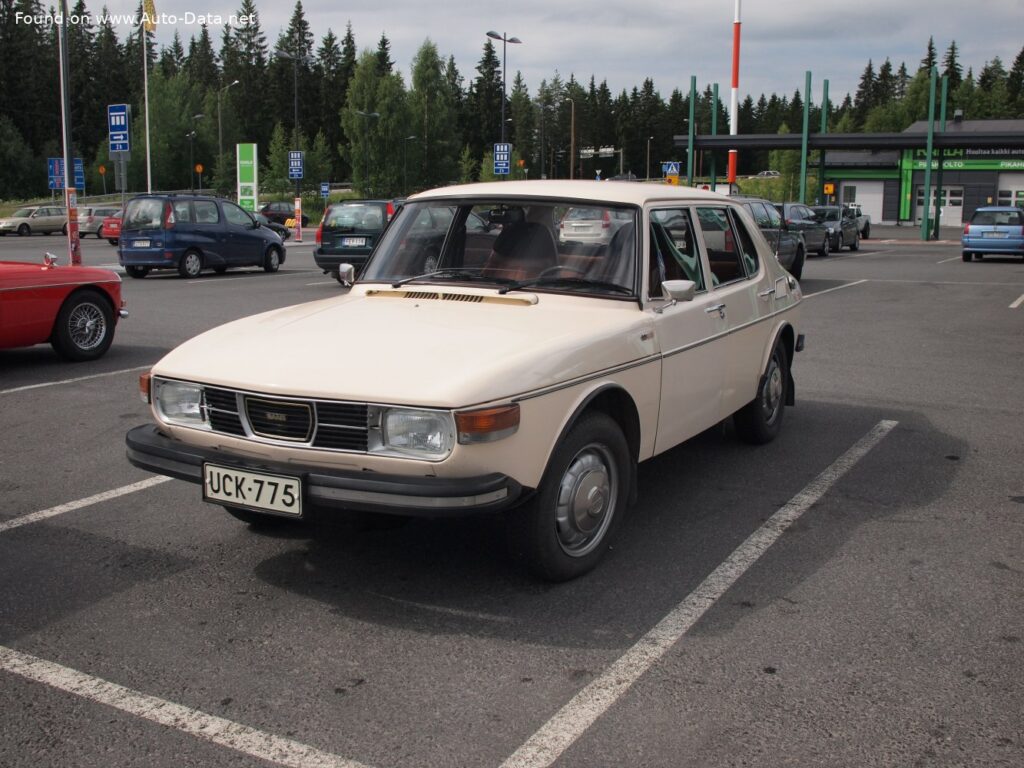
The Saab 99 1.7, producing 81 horsepower, represents a pivotal moment in automotive history. Introduced in 1967 and remaining in production through 1968, this compact sedan was Saab’s first foray into mass production, moving the company beyond its roots as an aircraft manufacturer. The 99 wasn’t just a new car for Saab; it was a statement of intent, showcasing innovative safety features and a distinctive design that would become hallmarks of the brand. While not initially a sales sensation, the 99 laid the groundwork for Saab’s future success and established a loyal following attracted to its unconventional approach to automotive engineering. It primarily served the European market, particularly Sweden, where Saab was based, and offered a compelling alternative to more mainstream offerings.
The Saab 99 1.7: A Pioneering Sedan
The Saab 99 1.7 was a significant departure from the larger, more conventional cars of its era. It was designed with a focus on driver safety and comfort, incorporating features that were ahead of their time. The car’s aerodynamic shape, though subtle by modern standards, was carefully sculpted to reduce drag and improve fuel efficiency. The 99’s interior was similarly innovative, prioritizing ergonomics and visibility. This initial model, with its 1.7-liter engine, established the core characteristics that would define the 99 family for years to come, including its front-wheel-drive layout and transversely mounted engine.
Engine & Performance
At the heart of the Saab 99 1.7 lies a 1.7-liter, naturally aspirated four-cylinder engine. This engine, producing 81 horsepower at 5200 rpm, wasn’t about raw power, but rather about providing a smooth and reliable driving experience. The engine’s configuration is a V-engine, with a cylinder bore of 83.5 mm (3.29 inches) and a piston stroke of 78 mm (3.07 inches). A compression ratio of 9:1 and a two-valve-per-cylinder design contribute to its modest output. Fuel delivery is managed by a carburetor, a common technology for the time. The engine’s power-to-weight ratio is a respectable 11.4 kg/Hp, or 87.6 Hp/tonne, allowing for a top speed of 145 km/h (90.1 mph). The engine’s 47.4 Hp/l specific output demonstrates a reasonable level of efficiency for the period. The engine requires 3.5 liters (3.7 US quarts or 3.08 UK quarts) of oil and 8 liters (8.45 US quarts or 7.04 UK quarts) of coolant for optimal operation.
Design & Features
The Saab 99 1.7 is a four-door sedan designed to accommodate five passengers. Its body style reflects the design trends of the late 1960s, with clean lines and a relatively compact footprint. Measuring 4530 mm (178.35 inches) in length, 1680 mm (66.14 inches) in width, and 1450 mm (57.09 inches) in height, the 99 is a relatively small car by modern standards. The wheelbase is 2470 mm (97.24 inches), and the front and rear tracks measure 1390 mm (54.72 inches) and 1400 mm (55.12 inches) respectively. The car’s design prioritized safety, and while lacking many of the advanced safety systems found in modern vehicles, it incorporated features like a reinforced passenger compartment and a collapsible steering column – innovations for the time. The interior was functional and ergonomically designed, with a focus on providing the driver with a clear view of the road. The 48-liter (12.68 US gallons or 10.56 UK gallons) fuel tank provided a reasonable range for touring.
Technical Specifications
| Brand | Saab |
| Model | 99 |
| Generation | 99 |
| Type (Engine) | 1.7 (81 Hp) |
| Start of production | 1967 |
| End of production | 1968 |
| Powertrain Architecture | Internal Combustion engine |
| Body type | Sedan |
| Seats | 5 |
| Doors | 4 |
| Fuel Type | Petrol (Gasoline) |
| Maximum speed | 145 km/h (90.1 mph) |
| Weight-to-power ratio | 11.4 kg/Hp |
| Power | 81 Hp @ 5200 rpm |
| Power per litre | 47.4 Hp/l |
| Engine displacement | 1709 cm3 (104.29 cu. in.) |
| Number of cylinders | 4 |
| Engine configuration | V-engine |
| Cylinder Bore | 83.5 mm (3.29 in.) |
| Piston Stroke | 78 mm (3.07 in.) |
| Compression ratio | 9:1 |
| Number of valves per cylinder | 2 |
| Fuel injection system | Carburettor |
| Engine aspiration | Naturally aspirated engine |
| Engine oil capacity | 3.5 l (3.7 US qt | 3.08 UK qt) |
| Coolant | 8 l (8.45 US qt | 7.04 UK qt) |
| Kerb Weight | 925 kg (2039.28 lbs.) |
| Fuel tank capacity | 48 l (12.68 US gal | 10.56 UK gal) |
| Length | 4530 mm (178.35 in.) |
| Width | 1680 mm (66.14 in.) |
| Height | 1450 mm (57.09 in.) |
| Wheelbase | 2470 mm (97.24 in.) |
| Front track | 1390 mm (54.72 in.) |
| Rear (Back) track | 1400 mm (55.12 in.) |
| Drivetrain Architecture | Internal Combustion engine (ICE) drives the front wheels |
| Drive wheel | Front wheel drive |
| Number of gears and type of gearbox | 4 gears, manual transmission |
The Saab 99 1.7, despite its modest specifications, was a groundbreaking vehicle. It represented a bold step forward for Saab, establishing the company as a serious player in the automotive world. Its focus on safety, innovative design, and driver-centric ergonomics set it apart from its competitors and paved the way for the future development of the Saab brand. While later iterations of the 99 would boast more powerful engines and refined features, the 1.7 model remains a significant piece of automotive history, embodying the spirit of innovation that defined Saab.