Technical Specifications
| Brand | Seat |
| Model | Altea |
| Generation | Altea (facelift 2009) |
| Type (Engine) | 1.2 TSI (105 Hp) Ecomotive start/stop |
| Start of production | April, 2009 |
| End of production | August, 2015 |
| Powertrain Architecture | Internal Combustion engine |
| Body type | MPV |
| Seats | 5 |
| Doors | 5 |
| Fuel consumption (urban) | 6.9 l/100 km (34.1 US mpg, 40.9 UK mpg, 14.5 km/l) |
| Fuel consumption (extra urban) | 5.1 l/100 km (46.1 US mpg, 55.4 UK mpg, 19.6 km/l) |
| Fuel consumption (combined) | 5.7 l/100 km (41.3 US mpg, 49.6 UK mpg, 17.5 km/l) |
| CO2 emissions | 132 g/km |
| Fuel Type | Petrol (Gasoline) |
| Acceleration 0 – 100 km/h | 11.6 sec |
| Acceleration 0 – 62 mph | 11.6 sec |
| Acceleration 0 – 60 mph | 11 sec |
| Maximum speed | 184 km/h (114.33 mph) |
| Emission standard | Euro 5 |
| Weight-to-power ratio | 13.3 kg/Hp, 75.3 Hp/tonne |
| Weight-to-torque ratio | 8 kg/Nm, 125.4 Nm/tonne |
| Power | 105 Hp @ 5000 rpm |
| Power per litre | 87.7 Hp/l |
| Torque | 175 Nm @ 1550-4100 rpm (129.07 lb.-ft. @ 1550-4100 rpm) |
| Engine layout | Front, Transverse |
| Engine Model/Code | CBZB |
| Engine displacement | 1197 cm3 (73.05 cu. in.) |
| Number of cylinders | 4 |
| Engine configuration | Inline |
| Cylinder Bore | 71 mm (2.8 in.) |
| Piston Stroke | 75.6 mm (2.98 in.) |
| Compression ratio | 10:1 |
| Number of valves per cylinder | 2 |
| Fuel injection system | Direct injection |
| Engine aspiration | Turbocharger, Intercooler |
| Engine oil capacity | 3.6 l (3.8 US qt | 3.17 UK qt) |
| Coolant | 5.6 l (5.92 US qt | 4.93 UK qt) |
| Kerb Weight | 1395 kg (3075.45 lbs.) |
| Max. weight | 1939 kg (4274.76 lbs.) |
| Max load | 544 kg (1199.31 lbs.) |
| Trunk (boot) space – minimum | 409 l (14.44 cu. ft.) |
| Fuel tank capacity | 55 l (14.53 US gal | 12.1 UK gal) |
| Length | 4282 mm (168.58 in.) |
| Width | 1768 mm (69.61 in.) |
| Height | 1576 mm (62.05 in.) |
| Wheelbase | 2578 mm (101.5 in.) |
| Front track | 1541 mm (60.67 in.) |
| Rear (Back) track | 1517 mm (59.72 in.) |
| Minimum turning circle | 10.7 m (35.1 ft.) |
| Drivetrain Architecture | The Internal combustion engine (ICE) drives the front wheels of the vehicle. |
| Drive wheel | Front wheel drive |
| Number of gears and type of gearbox | 6 gears, manual transmission |
| Front suspension | Independent, type McPherson with coil spring and anti-roll bar |
| Rear suspension | Independent multi-link suspension |
| Front brakes | Ventilated discs |
| Rear brakes | Disc |
| Assisting systems | ABS (Anti-lock braking system) |
| Steering type | Steering rack and pinion |
| Power steering | Electric Steering |
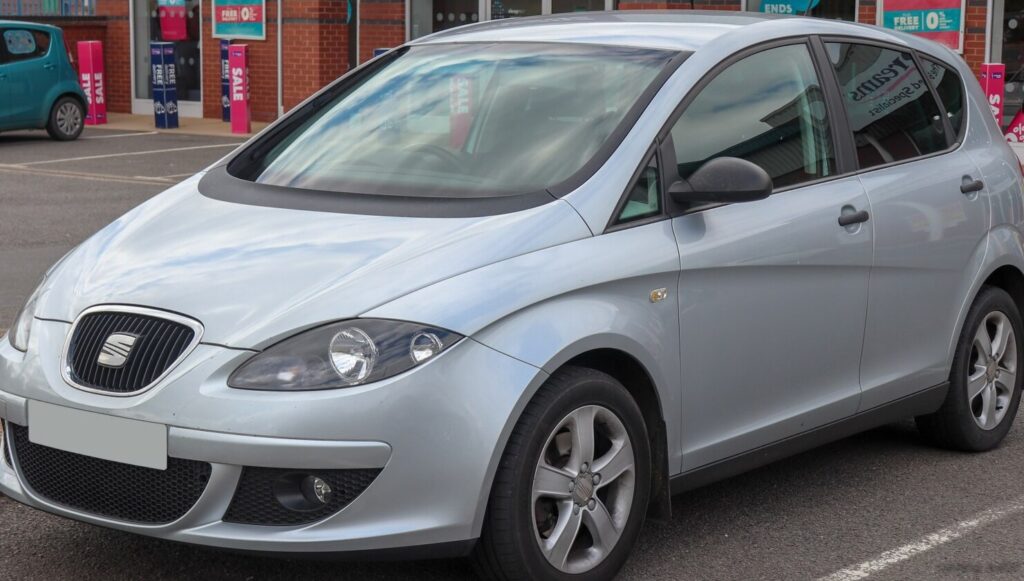
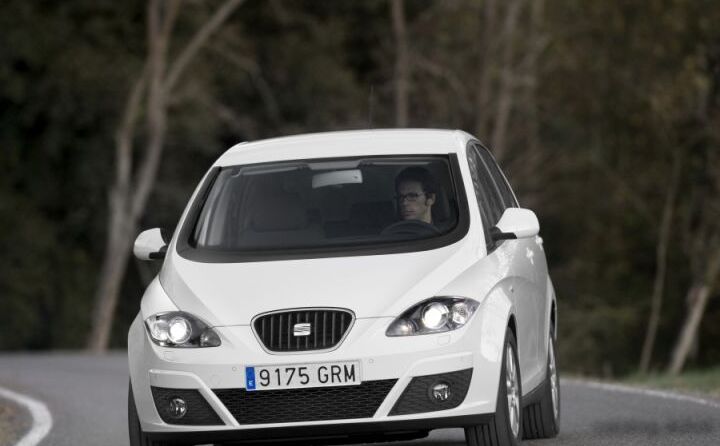
The Seat Altea 1.2 TSI (105 hp) Ecomotive Start/Stop, produced from April 2009 to August 2015, was a fuel-efficient variant within the second generation (facelift) of the Altea compact multi-purpose vehicle (MPV). Positioned as an entry-level to mid-range option, it aimed to provide a balance between practicality, affordability, and reduced environmental impact. This model was primarily marketed in Europe, where MPVs enjoyed significant popularity, and leveraged Volkswagen Group’s advancements in direct-injection gasoline engine technology. The Altea itself was a distinctive vehicle, offering a more stylish alternative to traditional MPVs, and the 1.2 TSI Ecomotive trim was a key component in broadening its appeal.
Powertrain & Engine Architecture
The heart of the Altea 1.2 TSI Ecomotive is the CBZB engine code, a 1.2-liter inline-four cylinder gasoline engine. This engine is a member of Volkswagen Group’s TSI (Turbocharged Stratified Injection) family, known for its combination of turbocharging and direct fuel injection. The direct injection system, utilizing a high-pressure fuel pump and injectors, allows for precise fuel delivery and improved combustion efficiency. The engine also features an intercooler to reduce intake air temperature, further enhancing performance. The 105 hp output is achieved at 5000 rpm, while peak torque of 175 Nm (129 lb-ft) is available from a low 1550 rpm, providing good responsiveness in everyday driving situations. The engine is paired with a six-speed manual transmission, chosen for its efficiency and driver engagement. The Start/Stop system, a key component of the ‘Ecomotive’ designation, automatically shuts off the engine when the vehicle is stationary (e.g., at traffic lights) and restarts it instantly when the clutch is depressed, contributing to fuel savings.
Driving Characteristics
The 1.2 TSI engine in the Altea delivers adequate performance for typical urban and highway driving. While not a particularly sporty setup, the turbocharger provides a noticeable boost in power, making overtaking maneuvers manageable. The six-speed manual transmission allows drivers to keep the engine in its optimal power band. Acceleration from 0 to 100 km/h (0-62 mph) takes around 11.6 seconds, which is competitive within its class but slower than higher-powered Altea variants like the 2.0 TDI. The gear ratios are tuned for fuel efficiency, meaning the engine can feel slightly strained when climbing steep hills or carrying a full load. Compared to the 1.9 TDI, the 1.2 TSI offers a smoother and quieter driving experience, but lacks the diesel’s low-end torque. The manual transmission provides more driver control than the optional DSG (Direct-Shift Gearbox) available on other Altea models.
Equipment & Trim Levels
The 1.2 TSI Ecomotive trim typically included standard features such as air conditioning, electric front windows, a basic audio system with MP3 compatibility, and ABS brakes. Safety features included driver and passenger airbags, and seatbelt pretensioners. Interior upholstery was generally cloth, with a functional and durable design. Optional extras included alloy wheels, a more advanced audio system, parking sensors, and climate control. The Ecomotive trim often featured unique badging and styling cues to highlight its fuel-efficient nature. The dashboard layout was typical of the Altea, with a focus on practicality and ease of use.
Chassis & Braking
The Altea 1.2 TSI Ecomotive utilizes an independent McPherson strut suspension at the front and an independent multi-link suspension at the rear, providing a comfortable ride and good handling characteristics. The suspension is tuned to prioritize comfort over outright sportiness. Front brakes are ventilated discs, while rear brakes are solid discs, providing adequate stopping power for the vehicle’s weight and performance. Electric power steering provides light and precise steering feel. The chassis is designed to accommodate the weight of passengers and cargo while maintaining stability and control.
Market Reception & Comparison
The Seat Altea 1.2 TSI Ecomotive was generally well-received by automotive critics as a practical and fuel-efficient MPV. Its low CO2 emissions and good fuel economy were particularly praised. However, some reviewers noted that the engine could feel underpowered when fully loaded or driving uphill. Compared to the 2.0 TDI Altea, the 1.2 TSI offered lower running costs but less performance. The 1.6-liter gasoline Altea provided a middle ground, offering more power than the 1.2 TSI but with slightly higher fuel consumption. The Altea faced competition from other MPVs such as the Renault Scenic, Citroën C4 Picasso, and Ford C-Max.
Legacy
The 1.2 TSI engine proved to be a reliable unit when properly maintained, although early versions of the engine were known to experience some issues with timing chain wear. Regular oil changes and adherence to the manufacturer’s service schedule are crucial for long-term reliability. Today, used examples of the Altea 1.2 TSI Ecomotive are relatively affordable and represent a good value for buyers seeking a practical and economical MPV. The Start/Stop system, while contributing to fuel savings, may require battery replacement over time. The Altea, in general, has developed a reputation as a stylish and well-built vehicle, and the 1.2 TSI Ecomotive variant remains a viable option for those prioritizing fuel efficiency and affordability.