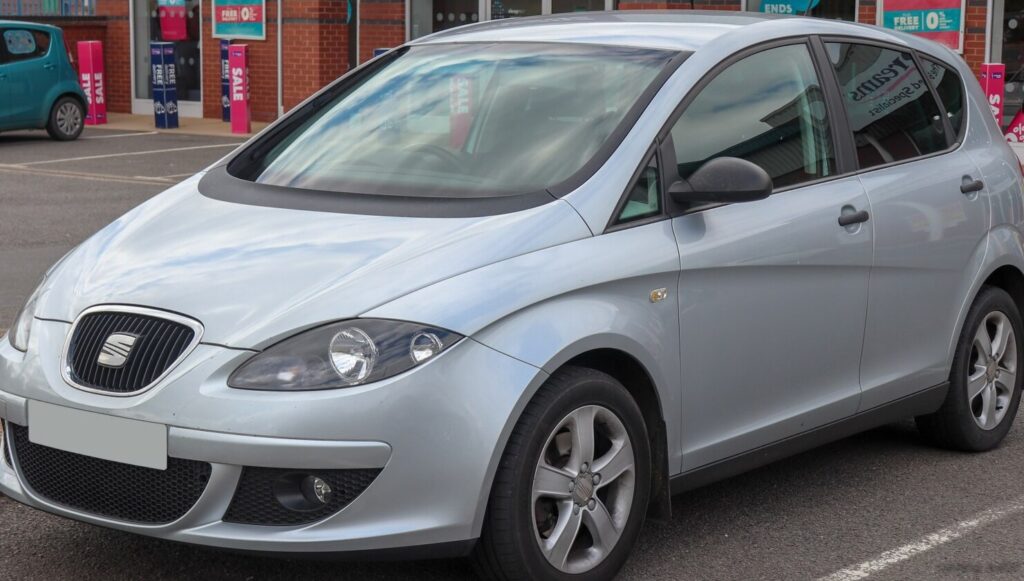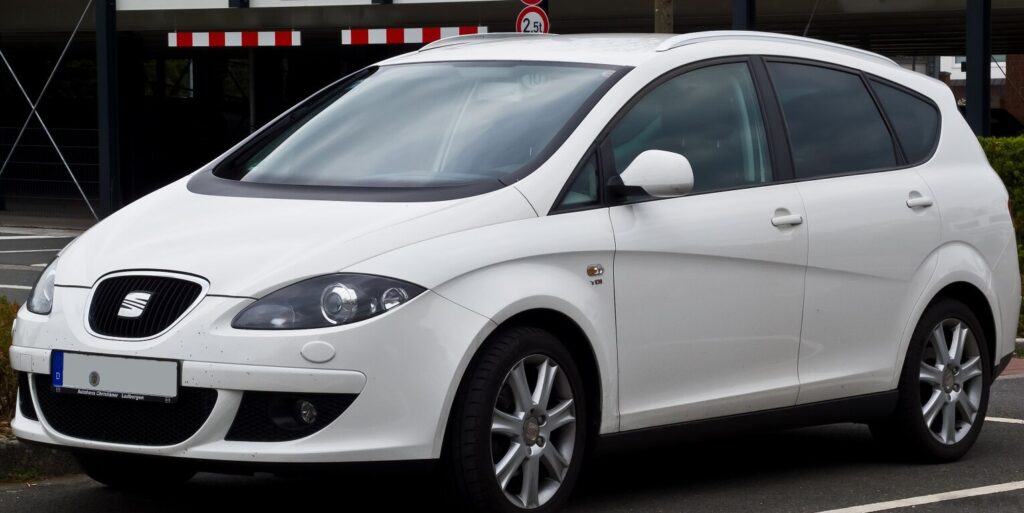
The Seat Altea XL 2.0 FSI, produced between May 2006 and March 2009, represented a significant offering within the broader Seat Altea range. Positioned as a larger, more practical variant of the standard Altea, the XL model (specifically this 2.0 FSI 150 horsepower configuration) aimed to bridge the gap between compact family cars and smaller MPVs. Built on the Volkswagen Group’s PQ46 platform – also known as the A3/1HX0 platform – the Altea XL sought to provide a stylish and versatile option for families needing extra space without sacrificing driving dynamics. This particular engine and transmission combination occupied a mid-range position in the Altea XL lineup, offering a balance of performance and fuel efficiency.
Technical Specifications
| Brand | Seat |
| Model | Altea |
| Generation | Altea XL |
| Type (Engine) | 2.0 FSI (150 Hp) |
| Start of production | May, 2006 |
| End of production | March, 2009 |
| Powertrain Architecture | Internal Combustion engine |
| Body type | Minivan |
| Seats | 5 |
| Doors | 5 |
| Fuel consumption (urban) | 12.7 l/100 km (18.5 US mpg, 22.2 UK mpg, 7.9 km/l) |
| Fuel consumption (extra urban) | 6.7 l/100 km (35.1 US mpg, 42.2 UK mpg, 14.9 km/l) |
| Fuel consumption (combined) | 8.9 l/100 km (26.4 US mpg, 31.7 UK mpg, 11.2 km/l) |
| Fuel Type | Petrol (Gasoline) |
| Acceleration 0 – 100 km/h | 10.1 sec |
| Acceleration 0 – 62 mph | 10.1 sec |
| Acceleration 0 – 60 mph | 9.6 sec |
| Maximum speed | 203 km/h (126.14 mph) |
| Weight-to-power ratio | 9.1 kg/Hp, 110.4 Hp/tonne |
| Weight-to-torque ratio | 6.8 kg/Nm, 147.2 Nm/tonne |
| Power | 150 Hp @ 6000 rpm |
| Power per litre | 75.6 Hp/l |
| Torque | 200 Nm @ 3500 rpm (147.51 lb.-ft. @ 3500 rpm) |
| Engine layout | Front, Transverse |
| Engine Model/Code | BVY |
| Engine displacement | 1984 cm3 (121.07 cu. in.) |
| Number of cylinders | 4 |
| Engine configuration | Inline |
| Cylinder Bore | 82.5 mm (3.25 in.) |
| Piston Stroke | 92.8 mm (3.65 in.) |
| Compression ratio | 11.5:1 |
| Number of valves per cylinder | 4 |
| Fuel injection system | Direct injection |
| Engine aspiration | Naturally aspirated engine |
| Engine oil capacity | 4.6 l (4.86 US qt | 4.05 UK qt) |
| Kerb Weight | 1359 kg (2996.08 lbs.) |
| Max. weight | 1979 kg (4362.95 lbs.) |
| Max load | 620 kg (1366.87 lbs.) |
| Trunk (boot) space – minimum | 532 l (18.79 cu. ft.) |
| Trunk (boot) space – maximum | 532 l (18.79 cu. ft.) |
| Fuel tank capacity | 55 l (14.53 US gal | 12.1 UK gal) |
| Length | 4467 mm (175.87 in.) |
| Width | 1768 mm (69.61 in.) |
| Height | 1581 mm (62.24 in.) |
| Wheelbase | 2578 mm (101.5 in.) |
| Front track | 1534 mm (60.39 in.) |
| Rear (Back) track | 1523 mm (59.96 in.) |
| Minimum turning circle | 10.9 m (35.76 ft.) |
| Drivetrain Architecture | The Internal combustion engine (ICE) drives the front wheels of the vehicle. |
| Drive wheel | Front wheel drive |
| Number of gears and type of gearbox | 6 gears, automatic transmission |
| Front suspension | Independent, type McPherson with coil spring and anti-roll bar |
| Rear suspension | Several levers and rods |
| Front brakes | Ventilated discs |
| Rear brakes | Disc |
| Assisting systems | ABS (Anti-lock braking system) |
| Steering type | Steering rack and pinion |
| Power steering | Electric Steering |
| Tires size | 205/55 R16 |
| Wheel rims size | 6.5J X 16 |
Powertrain & Engine Architecture
The heart of the Altea XL 2.0 FSI was the BVY engine code, a 1984cc inline-four cylinder gasoline engine. This engine utilized direct fuel injection (FSI – Fuel Stratified Injection), a technology that allowed for precise fuel delivery and improved combustion efficiency. The FSI system injected fuel directly into the combustion chamber, rather than into the intake manifold, resulting in a higher compression ratio (11.5:1) and increased power output. The engine featured four valves per cylinder, contributing to its breathing efficiency. The 200 Nm (147.51 lb-ft) of torque was available at 3500 rpm, providing reasonable mid-range pull. Paired with this engine was a six-speed automatic transmission, offering smooth shifts and convenience. This transmission was a conventional torque converter automatic, prioritizing comfort over outright performance.
Driving Characteristics
The 150 horsepower 2.0 FSI engine, coupled with the six-speed automatic, provided adequate performance for everyday driving. Acceleration from 0-60 mph took approximately 9.6 seconds, and the top speed was around 126 mph. While not a particularly sporty setup, the engine offered sufficient power for highway cruising and overtaking. The automatic transmission, while smooth, did detract somewhat from the driving experience compared to the available manual gearbox. Gear ratios were tuned for fuel efficiency and comfort, meaning the engine could feel slightly strained when pushed hard. Compared to the more powerful 2.0 TDI diesel variants, the FSI offered less torque and a higher-revving character. However, it provided a smoother and quieter driving experience than the diesel, and avoided the potential maintenance concerns associated with diesel particulate filters.
Equipment & Trim Levels
The Altea XL 2.0 FSI typically came equipped with a reasonable level of standard features. These included air conditioning, power windows, central locking, and an integrated audio system. Interior upholstery was generally cloth, with options for leather upgrades. Dashboard design was functional and modern for its time, with a focus on ergonomics. Optional extras included alloy wheels, a sunroof, parking sensors, and a more advanced audio system with navigation. The trim level often dictated the availability of these options, with higher trims offering more standard equipment.
Chassis & Braking
The Altea XL utilized an independent McPherson strut suspension setup at the front, providing a comfortable ride and decent handling. The rear suspension employed a multi-link system, further enhancing ride quality and stability. Braking duties were handled by ventilated discs at the front and solid discs at the rear. Anti-lock Braking System (ABS) was standard, providing enhanced safety during emergency braking situations. The steering was rack and pinion with electric power assistance, offering a light and responsive feel. The suspension was tuned to prioritize comfort over outright sportiness, making it a pleasant vehicle for long journeys.
Market Reception & Comparison
The Seat Altea XL 2.0 FSI received generally positive reviews from automotive critics. It was praised for its spacious interior, stylish design, and comfortable ride. However, some critics noted that the 2.0 FSI engine, while adequate, lacked the punch of some of its competitors. Fuel economy was considered reasonable, but not class-leading. Compared to the 2.0 TDI diesel variants, the FSI offered a more refined driving experience but suffered from slightly higher fuel consumption. The automatic transmission was also a point of contention for some reviewers, who preferred the more engaging experience of the manual gearbox.
Legacy
The Seat Altea XL, including the 2.0 FSI variant, has proven to be a relatively reliable vehicle in the used car market. The 2.0 FSI engine, while not without its potential issues (such as carbon buildup on the intake valves, a common issue with direct injection engines), is generally considered durable when properly maintained. Regular oil changes and the use of quality fuel are crucial for long-term reliability. Today, the Altea XL represents an affordable and practical option for families seeking a spacious and versatile vehicle. Its unique styling and comfortable ride continue to appeal to buyers looking for something a little different from the mainstream.