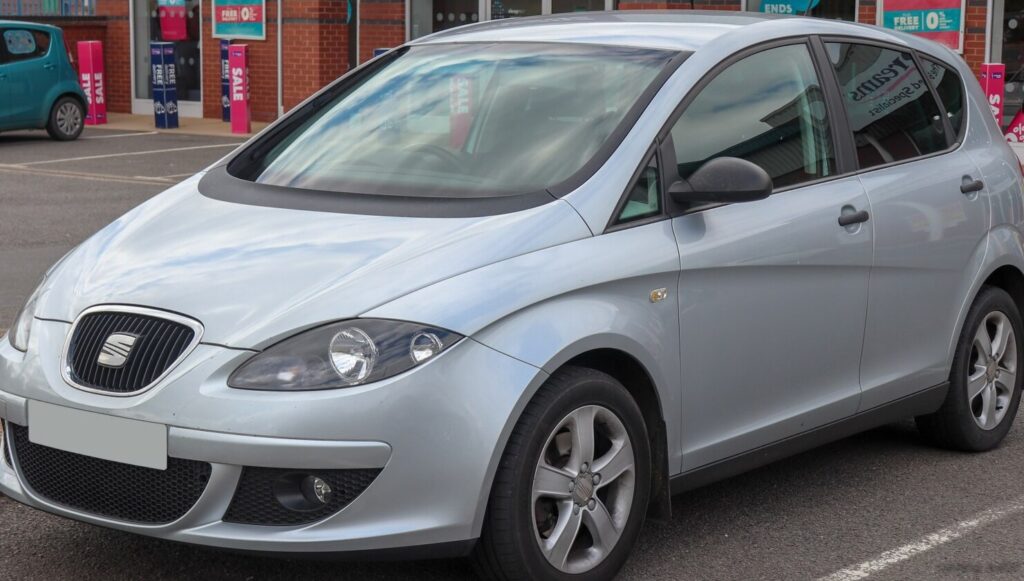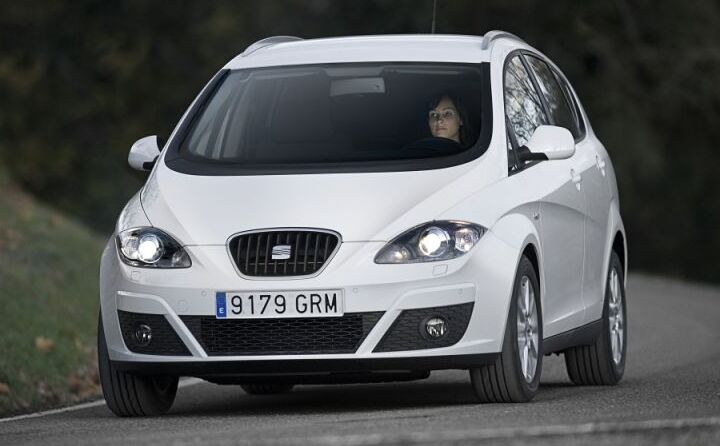
The Seat Altea XL 2.0 TDI (140 hp) represents a significant iteration within the Altea model range, specifically the extended-length XL variant introduced with the 2009 facelift. Production spanned from September 2010 to August 2015, positioning it as a practical, family-oriented MPV (Multi-Purpose Vehicle) primarily aimed at the European market. The Altea XL, built on the Volkswagen Group’s PQ46 platform (also known as the A6 platform), offered increased rear passenger space and cargo capacity compared to the standard Altea, making it a competitor to vehicles like the Renault Scenic and Opel Zafira. This particular 2.0 TDI variant occupied a mid-range position in the Altea XL lineup, offering a balance between performance, fuel efficiency, and cost.
Technical Specifications
| Brand | Seat |
| Model | Altea XL |
| Generation | Altea XL (facelift 2009) |
| Type (Engine) | 2.0 TDI (140 Hp) |
| Start of production | September, 2010 |
| End of production | August, 2015 |
| Powertrain Architecture | Internal Combustion engine |
| Body type | MPV |
| Seats | 5 |
| Doors | 5 |
| Fuel consumption (urban) | 6.2 l/100 km (37.9 US mpg, 45.6 UK mpg, 16.1 km/l) |
| Fuel consumption (extra urban) | 4.2 l/100 km (56 US mpg, 67.3 UK mpg, 23.8 km/l) |
| Fuel consumption (combined) | 4.9 l/100 km (48 US mpg, 57.6 UK mpg, 20.4 km/l) |
| CO2 emissions | 129 g/km |
| Fuel Type | Diesel |
| Acceleration 0 – 100 km/h | 9.8 sec |
| Acceleration 0 – 62 mph | 9.8 sec |
| Acceleration 0 – 60 mph | 9.3 sec |
| Maximum speed | 201 km/h (124.9 mph) |
| Emission standard | Euro 5 |
| Weight-to-power ratio | 10.6 kg/Hp, 94 Hp/tonne |
| Weight-to-torque ratio | 4.7 kg/Nm, 214.8 Nm/tonne |
| Power | 140 Hp @ 4200 rpm |
| Power per litre | 71.1 Hp/l |
| Torque | 320 Nm @ 1750-2500 rpm (236.02 lb.-ft. @ 1750-2500 rpm) |
| Engine layout | Front, Transverse |
| Engine Model/Code | CFHC |
| Engine displacement | 1968 cm3 (120.09 cu. in.) |
| Number of cylinders | 4 |
| Engine configuration | Inline |
| Cylinder Bore | 81 mm (3.19 in.) |
| Piston Stroke | 95.5 mm (3.76 in.) |
| Compression ratio | 16:1 |
| Number of valves per cylinder | 4 |
| Fuel injection system | Diesel Commonrail |
| Engine aspiration | Turbocharger, Intercooler |
| Engine oil capacity | 4.3 l (4.54 US qt | 3.78 UK qt) |
| Coolant | 8 l (8.45 US qt | 7.04 UK qt) |
| Kerb Weight | 1490 kg (3284.89 lbs.) |
| Max. weight | 2034 kg (4484.2 lbs.) |
| Max load | 544 kg (1199.31 lbs.) |
| Trunk (boot) space – minimum | 532 l (18.79 cu. ft.) |
| Fuel tank capacity | 55 l (14.53 US gal | 12.1 UK gal) |
| Length | 4469 mm (175.94 in.) |
| Width | 1768 mm (69.61 in.) |
| Height | 1581 mm (62.24 in.) |
| Wheelbase | 2578 mm (101.5 in.) |
| Front track | 1541 mm (60.67 in.) |
| Rear (Back) track | 1517 mm (59.72 in.) |
| Minimum turning circle | 10.7 m (35.1 ft.) |
| Drivetrain Architecture | Front wheel drive |
| Number of gears | 6 gears, manual transmission |
| Front suspension | Independent, type McPherson with coil spring and anti-roll bar |
| Rear suspension | Independent multi-link suspension |
| Front brakes | Ventilated discs |
| Rear brakes | Disc |
| Assisting systems | ABS (Anti-lock braking system) |
| Steering type | Steering rack and pinion |
| Power steering | Electric Steering |
Powertrain & Engine Architecture
The heart of the Altea XL 2.0 TDI is the CFHC engine code, a 1968cc inline-four cylinder diesel engine. This engine is part of the Volkswagen Group’s common rail diesel family, utilizing direct fuel injection and a turbocharger with intercooling to achieve a respectable 140 horsepower at 4200 rpm and 320 Nm (236 lb-ft) of torque between 1750 and 2500 rpm. The common rail system, operating at very high pressures, allows for precise fuel metering and optimized combustion. The engine also features four valves per cylinder, enhancing breathing and contributing to its power output. The six-speed manual transmission was the standard offering for this variant, providing a good balance between fuel economy and driver control. The engine’s transverse mounting and front-wheel-drive configuration were typical for vehicles in this class.
Driving Characteristics
The 2.0 TDI engine in the Altea XL provided a noticeable step up in performance compared to the smaller 1.6 TDI engine offered in some markets. While not a sports car, the 140 hp output and ample torque allowed for comfortable highway cruising and confident overtaking. The six-speed manual transmission was well-matched to the engine’s characteristics, offering relatively short gear ratios that kept the engine within its optimal torque band. Acceleration from 0-60 mph took around 9.3 seconds, which was competitive for the segment. The Altea XL’s weight of approximately 1490 kg (3285 lbs) did impact its agility, but the suspension setup provided a reasonably comfortable ride.
Equipment & Trim Levels
The Altea XL 2.0 TDI typically came equipped with a decent level of standard features, including air conditioning, power windows, central locking, and an audio system. Higher trim levels, such as the Stylance and Reference, added features like alloy wheels, automatic climate control, a multi-function steering wheel, and parking sensors. Optional extras included a navigation system, leather upholstery, and a panoramic sunroof. Interior upholstery was generally cloth, with higher trims offering partial leather options. The dashboard layout was functional and straightforward, typical of Volkswagen Group designs of the era.
Chassis & Braking
The Altea XL utilized an independent McPherson strut suspension setup at the front and an independent multi-link suspension at the rear. This configuration provided a good balance between ride comfort and handling. The front brakes were ventilated discs, while the rear brakes were solid discs, providing adequate stopping power for the vehicle’s weight and performance. Anti-lock Braking System (ABS) was standard. Stabilizer bars were fitted to both the front and rear axles to reduce body roll during cornering.
Market Reception & Comparison
The Seat Altea XL 2.0 TDI was generally well-received by automotive critics as a practical and versatile MPV. It was praised for its spacious interior, comfortable ride, and fuel-efficient engine. However, some critics noted that the interior design was somewhat bland and that the handling wasn’t as engaging as some of its competitors. Compared to the 1.6 TDI version, the 2.0 TDI offered significantly improved performance, but at a higher price point. The 2.0 TDI also offered better fuel economy than the petrol-powered variants. Reliability was generally good, although some owners reported issues with the diesel particulate filter (DPF) system, a common concern with modern diesel engines.
Legacy
The Seat Altea XL, including the 2.0 TDI variant, has become a relatively affordable used car option. The CFHC engine is known for its durability, provided it has been properly maintained. Regular servicing, including oil changes and DPF maintenance, is crucial for long-term reliability. While no longer in production, the Altea XL remains a popular choice for families seeking a practical and spacious MPV with reasonable running costs. Its blend of practicality, efficiency, and relatively affordable pricing continues to make it a viable option in the used car market.