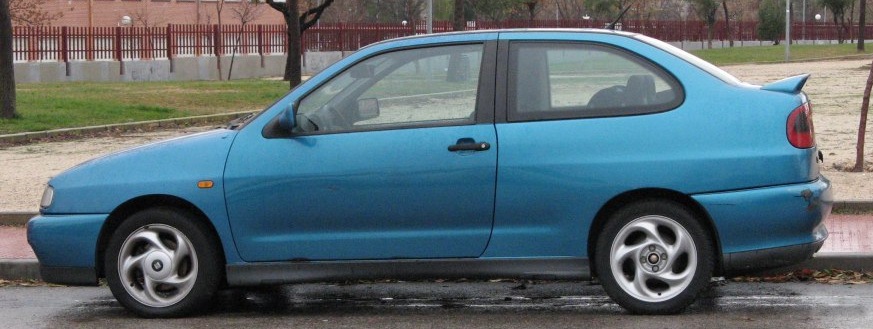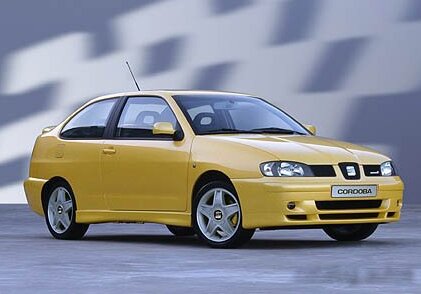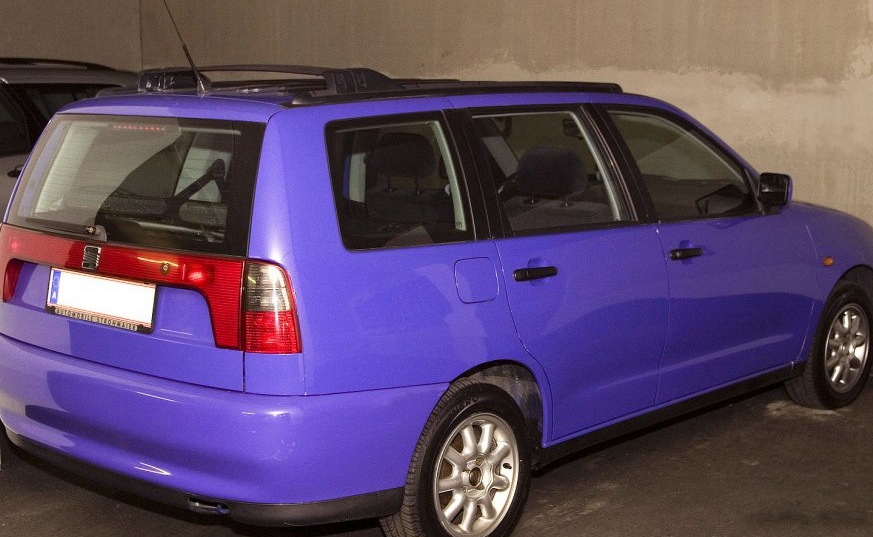
The SEAT Córdoba Vario I 1.9 TDI, produced briefly between March and June of 1999, represents a practical and efficient offering within the first generation (6K5) Córdoba Vario range. Positioned as a station wagon (estate) variant of the popular Córdoba, the Vario aimed to provide increased cargo capacity and versatility compared to the hatchback. This particular 1.9 TDI (110 hp) version occupied a mid-range position in the Vario lineup, offering a balance between performance, fuel economy, and price. It was a key model for SEAT as they aimed to establish themselves as a mainstream European brand, offering value and practicality alongside Spanish flair.
Technical Specifications
| Brand | SEAT |
| Model | Córdoba |
| Generation | Córdoba Vario I |
| Type (Engine) | 1.9 TDI (110 Hp) |
| Start of production | March, 1999 |
| End of production | June, 1999 |
| Powertrain Architecture | Internal Combustion engine |
| Body type | Station wagon (estate) |
| Seats | 5 |
| Doors | 5 |
| Fuel Type | Diesel |
| Power | 110 Hp |
| Engine Model/Code | ASV |
| Fuel injection system | Direct injection |
| Engine aspiration | Turbocharger, Intercooler |
| Engine oil capacity | 4.3 l (4.54 US qt | 3.78 UK qt) |
| Coolant capacity | 6.8 l (7.19 US qt | 5.98 UK qt) |
| Fuel tank capacity | 45 l (11.89 US gal | 9.9 UK gal) |
Powertrain & Engine Architecture
The heart of the Córdoba Vario I 1.9 TDI is the ASV engine code, a 1.9-liter, four-cylinder diesel engine. This engine is a direct-injection diesel, utilizing a Bosch VE distributor-type fuel injection pump. Direct injection, a relatively advanced technology for its time, allowed for more precise fuel delivery, resulting in improved fuel economy and reduced emissions compared to indirect injection systems. The engine also features a turbocharger with an intercooler, boosting power output to 110 horsepower and providing a respectable amount of torque for a diesel engine of this displacement. The ASV engine is known for its robust construction and relative simplicity, contributing to its longevity. The engine utilizes a cast iron block and an aluminum cylinder head, a common configuration for diesel engines of this era. Valvetrain consists of two valves per cylinder (intake and exhaust) operated by a single overhead camshaft.
Driving Characteristics
The 1.9 TDI engine in the Córdoba Vario I delivers a characteristically diesel-like driving experience. While not particularly high-revving, the engine provides a strong surge of torque from relatively low RPMs. This makes it well-suited for everyday driving and hauling loads, which is particularly relevant for a station wagon. Acceleration is adequate, though not sporty, with the 110 hp engine providing enough power for comfortable highway cruising and overtaking. The turbocharger does introduce a slight amount of turbo lag, but it’s generally manageable. The Vario’s increased weight compared to the hatchback does slightly diminish performance, but the added practicality often outweighs this drawback for buyers in this segment. The gear ratios are tuned for fuel efficiency and usability, rather than outright performance.
Equipment & Trim Levels
The Córdoba Vario I 1.9 TDI typically came equipped with a reasonable level of standard features for a vehicle in its class during the late 1990s. These included power steering, central locking, electric front windows, and an adjustable steering column. Interior upholstery was typically cloth, with a relatively simple and functional dashboard layout. Optional extras available for this trim level included air conditioning, alloy wheels, a radio/cassette player, and upgraded interior trim. Safety features were fairly basic, consisting of a driver’s airbag and anti-lock brakes (ABS) on some models. The Vario trim generally offered a slightly more refined interior compared to the base Córdoba models, with improved seat fabrics and additional sound insulation.
Chassis & Braking
The Córdoba Vario I utilizes a MacPherson strut front suspension and a torsion beam rear suspension. This setup provides a reasonable balance between ride comfort and handling. The torsion beam rear suspension is a cost-effective solution commonly found in vehicles of this class. Braking on the front wheels is typically disc brakes, while the rear brakes are often drum brakes, although some higher-spec models may have rear disc brakes. The braking system is adequate for the vehicle’s weight and performance, but it lacks the stopping power of more modern braking systems. Stabilizer bars are fitted to both the front and rear axles to reduce body roll during cornering. The suspension tuning is geared towards comfort, resulting in a relatively soft ride quality.
Market Reception & Comparison
The SEAT Córdoba Vario I 1.9 TDI was generally well-received by automotive critics as a practical and economical station wagon. The 1.9 TDI engine was praised for its fuel efficiency and torque output. However, some critics noted that the engine could be somewhat noisy and that the interior was not as refined as some of its competitors. Compared to other trims in the Córdoba Vario lineup, the 1.9 TDI offered a significant performance advantage over the lower-powered gasoline engines, while being more affordable than the higher-output TDI variants. Fuel economy was a key selling point, with the 1.9 TDI achieving impressive mileage figures for a vehicle of its size and type. Reliability was generally good, although some owners have reported issues with the fuel injection pump over time.
Legacy
The ASV engine, found in the Córdoba Vario I 1.9 TDI, has proven to be a remarkably durable and reliable powertrain. Many examples are still on the road today, testament to its robust construction. In the used car market, these vehicles are often sought after by those looking for an affordable and economical workhorse. Maintenance costs are generally reasonable, although sourcing parts for older models can sometimes be challenging. The Córdoba Vario I 1.9 TDI represents a significant step in SEAT’s development as a mainstream automotive brand, demonstrating their ability to produce practical and well-engineered vehicles that appeal to a wide range of buyers. The combination of a fuel-efficient diesel engine and a spacious station wagon body style made it a popular choice for families and businesses alike.