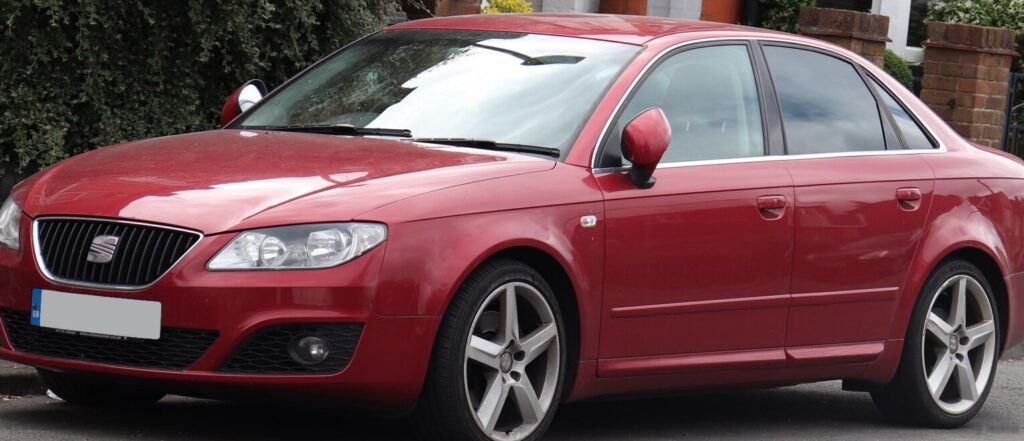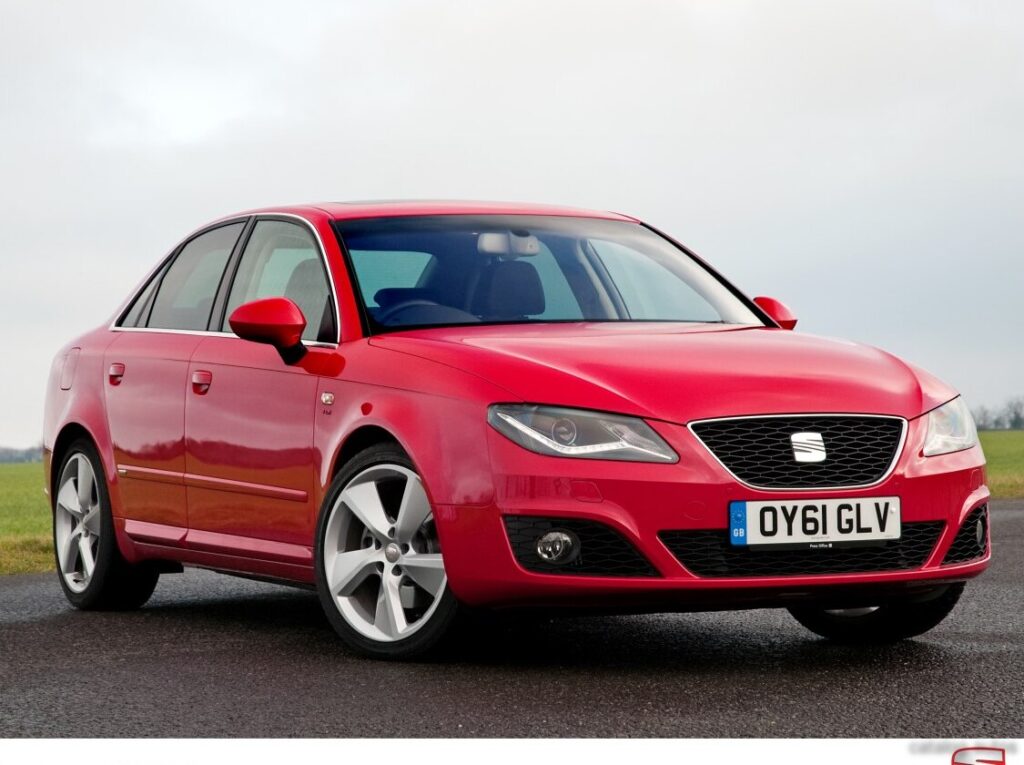
The Seat Exeo 2.0 TDI (120 hp) was a mid-size executive car produced by the Spanish manufacturer Seat between September 2011 and May 2013, as part of the Exeo facelift series. Positioned as a more practical and value-oriented offering within the segment, the 2.0 TDI 120 hp variant served as a core model in the Exeo lineup, appealing to buyers prioritizing fuel efficiency and reasonable performance over outright speed. It was based on the B7 generation Audi A4 (1HX0/A3 platform), a result of Seat’s collaboration with the Volkswagen Group. The facelift brought styling updates and refinements to the original Exeo, launched in 2008.
The Exeo 2.0 TDI 120 hp was powered by the Volkswagen Group’s EA189 series 2.0-liter inline four-cylinder diesel engine, specifically the CJCC engine code. This engine utilized a common rail direct fuel injection system, delivering fuel at extremely high pressure directly into the combustion chamber for improved efficiency and reduced emissions. The engine featured a single turbocharger with an intercooler to increase air density and boost power output. The valvetrain employed a dual overhead camshaft (DOHC) design with four valves per cylinder, optimizing gas flow for enhanced performance. The engine produced 120 horsepower at 4000 rpm and 290 Nm (213.89 lb-ft) of torque between 1750 and 2500 rpm. The engine was longitudinally mounted, driving the front wheels. The transmission was a six-speed manual gearbox, offering precise gear changes and contributing to the car’s fuel economy.
In real-world driving, the 2.0 TDI 120 hp Exeo provided adequate performance for everyday commuting and long-distance travel. Acceleration from 0 to 100 km/h (0-62 mph) took approximately 10.5 seconds, and the top speed was 204 km/h (126.76 mph). While not a particularly sporty variant, the engine’s strong low-end torque made it feel responsive in typical driving situations. Compared to the more powerful 170 hp TDI version, the 120 hp model offered a more relaxed driving experience, prioritizing fuel efficiency over outright acceleration. The six-speed manual transmission allowed drivers to maintain optimal engine speed for efficient cruising.
The Exeo 2.0 TDI 120 hp typically came equipped with a reasonable level of standard features. Interior upholstery was generally cloth, though leather options were available. The dashboard layout was functional and straightforward, reflecting the car’s practical focus. Standard equipment included air conditioning, power windows, central locking, and an audio system. Optional extras included a navigation system, parking sensors, alloy wheels, and upgraded interior trim. Trim levels varied by market, but generally offered increasing levels of comfort and convenience features.
The Exeo’s chassis featured independent suspension all around, with a multi-link setup at the front and a trapezoidal lever arrangement at the rear, both incorporating a transverse stabilizer bar. This configuration provided a comfortable ride and decent handling characteristics. Braking was handled by ventilated discs at the front and solid discs at the rear, equipped with an Anti-lock Braking System (ABS). The steering was a hydraulic rack and pinion system, offering precise control and feedback. The car’s kerb weight of 1430 kg (3152.61 lbs) influenced its handling and braking performance.
Critics generally viewed the Exeo 2.0 TDI 120 hp as a sensible and practical choice in the executive car segment. It was praised for its fuel efficiency, comfortable ride, and spacious interior. However, some reviewers noted that the engine lacked the refinement and performance of some of its competitors. Fuel economy was a strong point, with combined figures of around 4.9 l/100 km (48 US mpg), and CO2 emissions of 129 g/km. Compared to the higher-output TDI variants, the 120 hp model offered better fuel economy but less performance. Reliability was generally good, benefiting from the Volkswagen Group’s engineering expertise.
| Engine Model/Code | EA189 / CJCC |
| Engine displacement | 1968 cm3 (120.09 cu. in.) |
| Number of cylinders | 4, Inline |
| Power | 120 Hp @ 4000 rpm |
| Torque | 290 Nm @ 1750-2500 rpm (213.89 lb.-ft.) |
| Fuel Type | Diesel |
| Fuel consumption (urban) | 6.4 l/100 km (36.8 US mpg) |
| Fuel consumption (extra urban) | 4.1 l/100 km (57.4 US mpg) |
| Fuel consumption (combined) | 4.9 l/100 km (48 US mpg) |
| CO2 emissions | 129 g/km |
| Acceleration 0-100 km/h | 10.5 sec |
| Maximum speed | 204 km/h (126.76 mph) |
| Kerb Weight | 1430 kg (3152.61 lbs) |
| Fuel tank capacity | 70 l (18.49 US gal) |
| Transmission | 6 gears, manual |
Today, the Seat Exeo 2.0 TDI 120 hp represents a relatively affordable entry point into the executive car market. The EA189 engine, while generally reliable, has been subject to scrutiny regarding emissions standards in some regions. Well-maintained examples can still provide years of reliable service, offering a comfortable and economical driving experience. Parts availability is generally good, thanks to the engine’s widespread use across the Volkswagen Group. The Exeo’s understated styling and practical nature continue to appeal to buyers seeking a sensible and well-built used car.