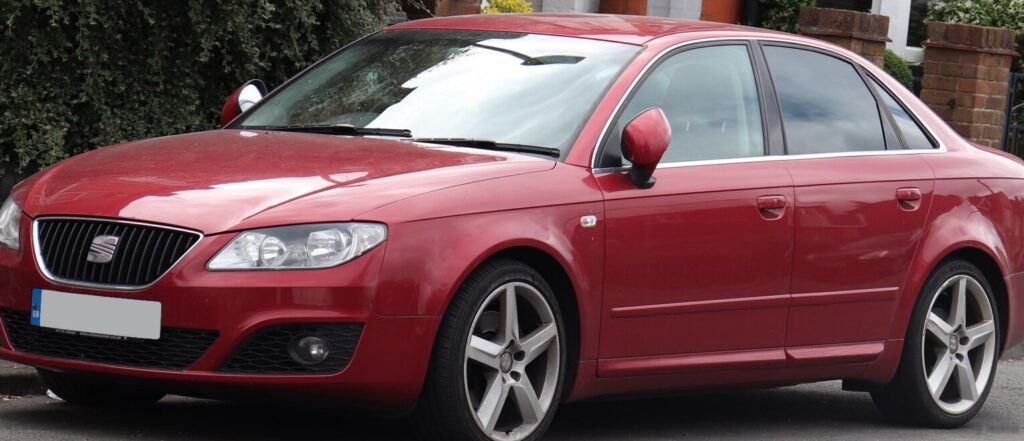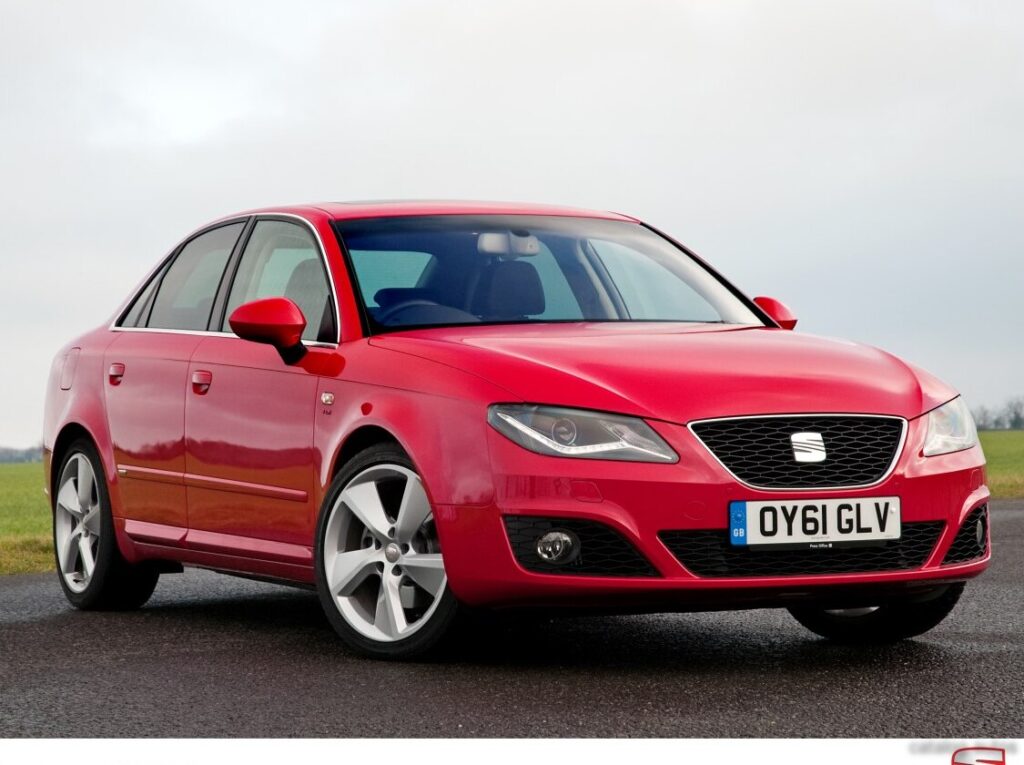
The Seat Exeo 2.0 TDI (143 hp) represents a mid-cycle refresh of the Exeo model, produced from September 2011 to May 2013. Positioned as a mainstream offering within the Exeo lineup, it aimed to provide a balance of fuel efficiency and performance for the executive sedan market. The Exeo itself was a unique vehicle for Seat, being based on the B7 generation Audi A4 (internally designated the 1HX0/A3 platform) following the brand’s acquisition by the Volkswagen Group. This facelift brought styling updates and refinements to the existing platform, with the 2.0 TDI 143 hp variant serving as a popular choice for buyers prioritizing diesel economy.
The powertrain at the heart of the Exeo 2.0 TDI is Volkswagen’s EA189 series common rail diesel engine, specifically the CJCA code. This 1968 cc (120.09 cu. in.) inline four-cylinder engine utilizes a turbocharger with intercooling to deliver 143 horsepower at 4200 rpm and 320 Nm (236.02 lb-ft) of torque between 1750 and 2500 rpm. The engine features a double overhead camshaft (DOHC) valvetrain with four valves per cylinder, and a high compression ratio of 16.5:1. Fuel is delivered via a common rail direct injection system, contributing to efficient combustion and reduced emissions. The engine is longitudinally mounted in the front of the vehicle. The 6-speed manual transmission was standard, providing a relatively direct connection between the engine and the front wheels.
In real-world driving, the 2.0 TDI 143 hp Exeo offered a comfortable and refined experience. Acceleration from 0 to 100 km/h (0-62 mph) took approximately 9.2 seconds, and 0-60 mph was achieved in around 8.7 seconds. While not a performance-oriented variant, the engine’s torque output provided ample power for everyday driving and overtaking maneuvers. The manual transmission allowed for driver control, but the gear ratios were tuned for fuel economy rather than outright acceleration. Compared to the more powerful TDI variants (like the 170 hp version) or the petrol engines, this version prioritized efficiency and lower running costs.
The Exeo 2.0 TDI (143 hp) typically came equipped with a reasonable level of standard features. Interior upholstery was generally cloth, though leather options were available. The dashboard layout was functional and well-built, reflecting its Audi A4 origins. Standard equipment included air conditioning, power windows, central locking, and an audio system. Optional extras included a navigation system, parking sensors, upgraded audio systems, and leather upholstery. Trim levels varied by market, but generally offered progressive upgrades in terms of comfort and convenience features.
The Exeo’s chassis featured independent suspension all around – a multi-link setup at the front and a trapezoidal lever arrangement at the rear, both incorporating transverse stabilizer bars. This provided a good balance of ride comfort and handling. Braking was accomplished via ventilated discs at the front (288×25 mm) and solid discs at the rear (245×10 mm). Anti-lock Braking System (ABS) was standard. The steering utilized a hydraulic power steering rack and pinion system, offering a responsive and precise feel. Typical tire sizes ranged from 205/55 R16 to 225/40 R18, depending on the trim level.
Critics generally viewed the Exeo 2.0 TDI 143 hp as a competent and practical executive sedan. Its fuel economy – around 4.9 l/100 km (48 US mpg) combined – was a major selling point. Reliability was generally good, benefiting from the robust VW Group engineering. Compared to the higher-output TDI variants, the 143 hp version offered a more affordable entry point into the Exeo range, albeit with slightly less performance. It competed with other mainstream executive sedans like the Ford Mondeo, Opel/Vauxhall Insignia, and Skoda Octavia.
| Engine Model/Code | EA189 / CJCA |
| Engine displacement | 1968 cm3 (120.09 cu. in.) |
| Number of cylinders | 4, Inline |
| Power | 143 Hp @ 4200 rpm |
| Torque | 320 Nm @ 1750-2500 rpm (236.02 lb.-ft.) |
| Fuel Type | Diesel |
| Fuel consumption (urban) | 6.4 l/100 km (36.8 US mpg) |
| Fuel consumption (extra urban) | 4.1 l/100 km (57.4 US mpg) |
| Fuel consumption (combined) | 4.9 l/100 km (48 US mpg) |
| CO2 emissions | 129 g/km |
| Acceleration 0-100 km/h | 9.2 sec |
| Maximum speed | 215 km/h (133.59 mph) |
| Kerb Weight | 1430 kg (3152.61 lbs) |
| Fuel tank capacity | 70 l (18.49 US gal) |
| Transmission | 6-speed manual |
Today, the Seat Exeo 2.0 TDI 143 hp represents a relatively affordable used car option. The EA189 engine, while generally reliable, is known to be susceptible to issues with the diesel particulate filter (DPF) if not properly maintained. Regular servicing and the use of quality diesel fuel are crucial for long-term reliability. The Exeo’s Audi A4 underpinnings contribute to its build quality and durability, making it a potentially good value proposition for buyers seeking a comfortable and economical executive sedan. However, potential buyers should be aware of the age-related wear and tear common to vehicles of this era, and a thorough inspection is recommended before purchase.